The Brazilian Grand Prix is roaring back into the spotlight, and this year, the stakes have never been higher. As the F1 circus descends on the legendary Interlagos circuit, teams scramble to squeeze every ounce of performance out of their machines with last-minute upgrades. In a season marked by fierce battles and technological wars, this race could prove pivotal for championship ambitions. From the meticulous craft of Mercedes AMG Petronas to the relentless pace hunt of Red Bull Racing and the technical wizardry of Ferrari, every update counts. Not to mention the rising challenges from McLaren, Aston Martin, Alpine, and the surprise pushes by Williams, Haas, and Stake F1 Team Kick Sauber. With car setups evolving at blistering speed, this Brazilian Grand Prix sets the stage for a thrilling finale stretch.
In brief:
- Mercedes AMG Petronas shifts focus away from upgrades toward the 2025 season, opting for small test parts and setup experiments.
- Red Bull Racing and Ferrari continue their intense development rivalry with aerodynamic tweaks to maintain championship pressure.
- McLaren rolls out multiple high-impact upgrades, pushing hard to keep their title fight alive in the last few races.
- Aston Martin, Alpine, and Williams introduce strategic component changes designed for the unique demands of Interlagos.
- Stake F1 Team Kick Sauber surprises with innovative technical solutions, seeking to maximize points in the critical closing phase.
Mercedes AMG Petronas and the Strategic Shift Ahead of the Brazilian Grand Prix
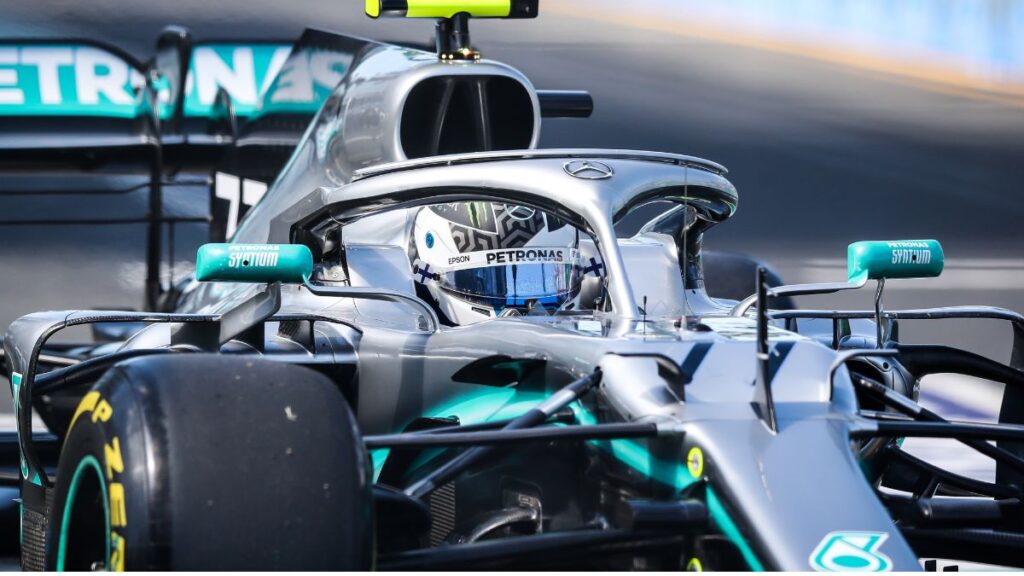
Mercedes AMG Petronas enters Interlagos with a clear-headed strategy, trading aggressive upgrades for a measured approach focusing on gathering data and preparing for the 2025 championship season. After encountering a series of setbacks this year, including significant aerodynamic challenges and reliability issues, Mercedes has decided against launching any major updates for the W15 chassis during this final stretch.
Their trackside engineering director, Andrew Shovlin, dropped a notable revelation: the team plans to leverage the remaining races to experiment with minor bodywork tweaks and sampling new components primarily aimed at maximizing learning rather than instant performance gains. This approach stems from the mixed fortunes Mercedes faced during recent events — the Mexican GP highlighted contrasting floor setups, with George Russell running an older Silverstone specification benefiting from lower drag, while Lewis Hamilton used the most updated floor, yet both delivered surprisingly similar pace.
The challenges accumulated over the season — including car malfunctions and driver errors induced by technical gremlins, such as Hamilton’s critical spin at the US GP — have left Mercedes in a cautious mindset. The squad now concentrates on setting up the car optimally for each race environment, optimizing tire and aerodynamic balance without chasing risky upgrades. With the arrival of 18-year-old prodigy Kimi Antonelli joining next year, the team is banking on fresh talent and improved car concepts to resurrect their dominance.
- Primary focus on data-driven setup adjustments rather than radical hardware changes
- Small aerodynamic bodywork variations tested on weekends for 2025 insight
- Comprehensive use of both cars as test beds for alternative tuning strategies
- Internal consolidation of knowledge from this turbulent season to refine next year’s car
| Mercedes Upgrade Focus | Details |
|---|---|
| Major updates | None planned before season end |
| Minor bodywork tests | Small aerodynamic parts trialed to collect data |
| Setup experiments | Optimized car setups using both cars’ data |
| Driver lineup change | Kimi Antonelli joining in 2025 |
Mercedes’ tactical pivot may concede short-term ground to rivals like Red Bull Racing and Ferrari but positions them for a robust return with innovations for next season. Fans can delve deeper into this shift with detailed coverage on technical and race takeaways at the Mexico GP technical debrief and strategic evaluations.
Red Bull Racing and Ferrari: The Aerodynamic Arms Race Heating Up at Interlagos
Not to be outdone, Red Bull Racing and Ferrari continue to refine their machines in pursuit of every millisecond advantage. Both powerhouses have unleashed a flurry of aerodynamic upgrades specifically tailored for the tight, twisty layout and unpredictable weather often encountered at the Autódromo José Carlos Pace.
Red Bull Racing’s engineers focused on optimizing downforce without dramatically increasing drag. This fine balance is crucial on Interlagos, where long straights demand speed, but the relentless succession of corners requires nimble handling. Max Verstappen’s recent victory from a challenging 17th on the grid at the Brazilian GP last year demonstrated just how vital well-tuned aerodynamics are in racecraft.
Ferrari responded with a revised front wing and redesigned bargeboards aiming to perfect airflow and enhance tire durability, a key factor given the circuit’s abrasive nature and demand on braking zones. Carlos Sainz Jr. and Charles Leclerc’s on-track battles throughout the season have pushed Ferrari’s development pace to new heights.
- Red Bull’s new rear wing endplates for better airflow control
- Ferrari’s updated front wing elements to improve corner entry
- Both teams experimenting with floor ventilation apertures for cooling
- Weather adaptation focus with flexible aerodynamic configurations
| Team | Upgrade Type | Purpose |
|---|---|---|
| Red Bull Racing | Rear wing endplates | Enhanced airflow for corner stability |
| Ferrari | Front wing redesign & bargeboards | Improved tire life, better cornering |
| Red Bull & Ferrari | Floor ventilation apertures | Cooling optimization for brakes and engine |
These upgrades illustrate how Red Bull Racing and Ferrari aggressively interpret data from previous races and this season’s technical developments to maintain their championship pace. For fans eager to explore the effects of these aerodynamic tweaks in real-time, analyzing mid-race reports and timing screens reveals their impact on lap consistency and tire degradation.
McLaren’s Bold Push: Multiple Upgrades to Sustain Championship Momentum
McLaren enters the Brazilian GP with a determined agenda. The Woking-based outfit, known for their precision engineering and agile race strategies, have implemented a suite of upgrades that target both aerodynamic efficiency and mechanical grip. These improvements seek to elevate their drivers, Lando Norris and Oscar Piastri, keeping McLaren in the thick of the title fight.
The upgrades include a novel floor design aiming to increase downforce with minimal drag impact and revised suspension geometry to improve cornering stability, especially critical in the high-speed chicanes and sweeping curves of Interlagos. Additionally, McLaren tinkered with their power unit mapping to enhance responsiveness out of slower corners.
These last-minute changes highlight McLaren’s commitment to innovation even when the pressure mounts. Their progress is underscored by recent results — securing eight wins in ten races this season — which has positioned them as a serious contender against the traditional titans. They also capitalize on cutting-edge data analytics and simulation tools to fine-tune car behavior in preparation for the South American challenge.
- New floor architecture to boost aerodynamic efficiency
- Suspension revisions for improved tire contact and stability
- Power unit tweaks to optimize acceleration out of corners
- Driver-specific setup customization based on recent telemetry
| Upgrade Aspect | Expected Outcome |
|---|---|
| Floor design | Improved downforce with reduced drag |
| Suspension geometry | Enhanced cornering grip and consistency |
| Power unit mapping | Sharper throttle response and acceleration |
| Telemetry-driven setup | Driver-tailored performance optimization |
For those tracking McLaren’s meteoric rise and technical advances, detailed insights can be found in the race previews and analyses like the F1 title outlook for Austin 2025 and post-race reviews, highlighting the team’s ambitious charge.
Strategic Upgrades from Aston Martin, Alpine, and Williams Tailored for Interlagos’ Challenges
Other midfield stalwarts like Aston Martin, Alpine, and Williams are not standing still. Each has introduced targeted upgrades designed to extract peak performance from their cars on Interlagos’ unique surface and layout, known for its unpredictable weather and testing elevation changes.
Aston Martin worked meticulously on suspension enhancements to improve mechanical grip and boost tire management. Alpine focused on cooling system adjustments and aerodynamic tweaks to preserve engine integrity during the harsh Brazilian heat. Williams, drawing on data from past performances, introduced a revised floor layout and minor weight reductions aimed at improving traction out of the slower corners.
- Aston Martin’s suspension tuning for better front-end feedback and reduced tire wear
- Alpine’s cooling system overhaul to maintain power unit reliability under stress
- Williams’ aerodynamic tweaks and weight optimization for improved traction
- All teams incorporating Interlagos-specific brake duct refinements to adapt to heavy braking zones
| Team | Upgrade Focus | Result Sought |
|---|---|---|
| Aston Martin | Suspension adjustments | Improved grip and tire longevity |
| Alpine | Cooling and aerodynamics | Enhanced reliability and balance |
| Williams | Revised floor and weight savings | Better traction and agility |
These advancements underline the high stakes of the Brazilian GP, with each team maximizing their technical potential to capitalize on race unpredictability. Think of them as chess players positioning their pieces for greater advantage, not merely responding, but anticipating the challenges ahead. Fans can explore how these subtle adjustments affect race strategy through detailed technical analysis available in seasonal power rankings and October 2025 power rankings.
Surprise Tech and Tactical Moves from Stake F1 Team Kick Sauber and Haas
Stake F1 Team Kick Sauber and Haas have been stealthily preparing their own swath of upgrades that could shake up the midfield order at Interlagos. In a season where every point counts, both teams invested heavily in research and development, implementing aerodynamic and powertrain enhancements that reflect a balance between reliability and outright speed.
Sauber has introduced innovative cooling ducts and winglet designs aimed at stabilizing tire temperatures in Brazil’s notoriously varied conditions. Meanwhile, Haas focused on their rear suspension setup and floor efficiency, seeking to mitigate understeer and improve corner exit speed.
- Stake F1 Team Kick Sauber’s cooling duct innovations for tire temperature control
- Haas’ suspension refinement to reduce understeer and improve agility
- Shared emphasis on reliability to minimize chances of mechanical failures at season end
- Strategic tire management planned with new aero configurations
| Team | Upgrade Area | Performance Benefit |
|---|---|---|
| Stake F1 Team Kick Sauber | Cooling ducts and winglets | Tire temperature stabilization |
| Haas | Rear suspension and floor tweaks | Reduced understeer, improved corner exits |
These strategic upgrades not only represent engineering ingenuity but also a hunger to capitalize on chaotic race scenarios. In the fiercely competitive 2025 season, such margins could translate into decisive climbs in the Constructors’ and Drivers’ rankings. Fans seeking to appreciate these subtle yet impactful changes can check out detailed technical comparisons featured in United States GP 2025 analyses.