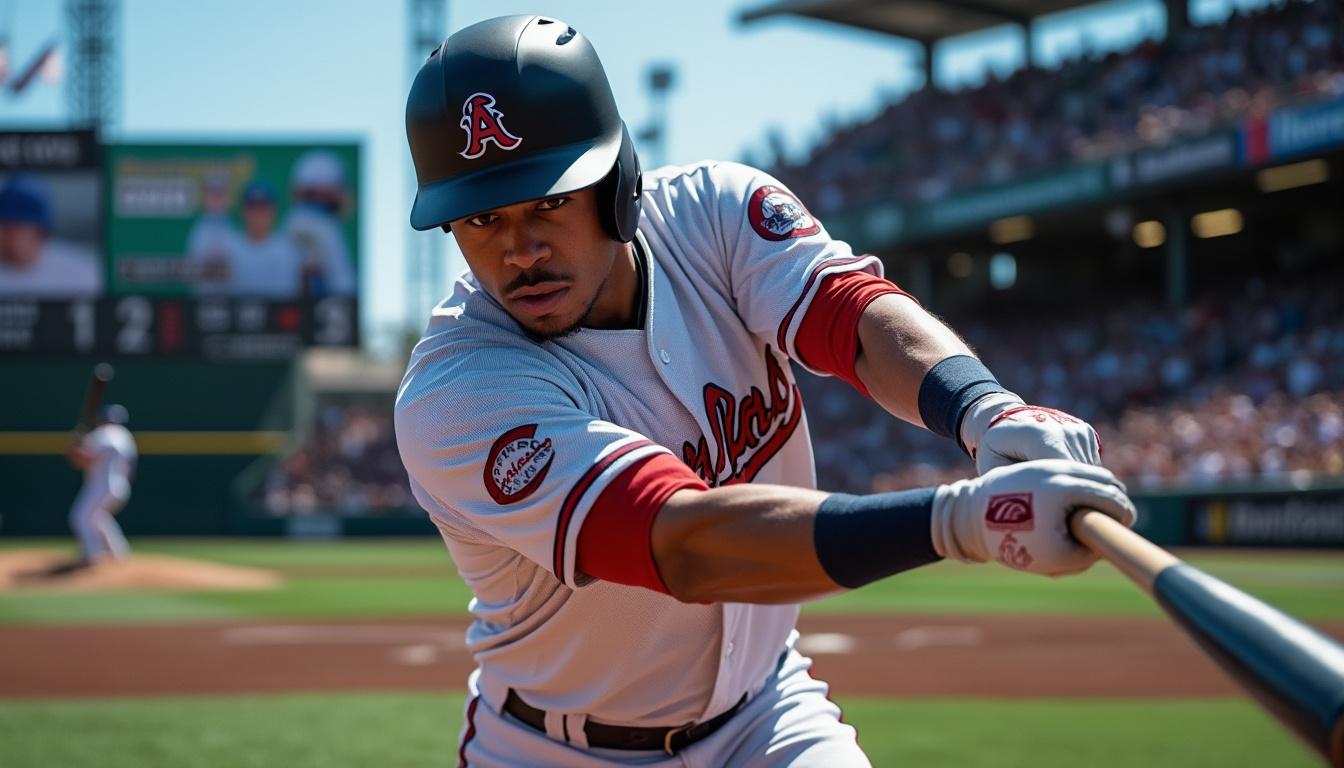
The MLB Free Agency landscape is heating up as teams across the league prepare to make their moves in the offseason. With a deep and dynamic class of players hitting the market, fans, analysts, and front offices alike are focusing on the Top 25 targets whose signings could redefine the makeup of several MLB teams heading into the 2026 season. This Big Board aims to dissect the likely destinations and fits for these impact players, blending deep statistical analysis with team needs and market trends to offer a comprehensive insight into where the action will be this offseason.
As the MLB free agency market evolves, understanding contract negotiations, player fits, and the intricate web of baseball trades becomes central to predicting team strategies. This year’s class stands out for its power-packed hitters, durable pitchers, and versatile players, reflecting a balanced mix of youth and experience. The ongoing labor climate introduces another layer of complexity, with an impending lockout looming that may influence contract structures and team spending philosophies. Enthusiasts tracking this space will find this Big Board instrumental in navigating the most plausible moves, clarifying which MLB teams could emerge as winners in the coming months and how free agent signings are set to impact the baseball market worldwide.
- Top Talent Spotlight: Analysis of the MLB Free Agency’s most coveted players and their potential impact.
- Team Needs vs. Free Agent Fits: Exploring optimal matches between player skills and organizational gaps.
- Contract Predictions: Expectations on deal lengths, values, and unique structures amidst labor uncertainties.
- Market Dynamics: How trade possibilities and draft compensations influence free agent signings.
- Strategic Outlook: What these moves mean for the competitive landscape of MLB teams heading into 2026.
Top MLB Free Agent Targets: Profiles and Market Expectations
When the MLB free agency season kicks into high gear, a select group of players typically dominates headlines, not just for their skills but for the contract power they wield in negotiations. This year is no exception, with a slate of stars who have proven their value on the field and now seek contracts that reflect their contributions and potential.
Kyle Tucker, the class’s headliner, is anticipated to land a contract in the ballpark of $400 million over 11 years, solidifying his status as one of the era’s top power hitters. After consistently racking up home runs and drive-in stats with the Houston Astros before his mid-season trade to the Cubs, Tucker brings a compelling package of offensive prowess and defensive experience. Despite some injury setbacks in 2024-25, his projected contribution over the coming decade remains immense. Teams like the Dodgers, Yankees, and Phillies are considered prime suitors for Tucker’s services given their financial flexibility and lineup needs.
Meanwhile, Bo Bichette stands as a premier infielder with a fascinating profile. Coming off a rebound in offensive production despite injury-induced interruptions, Bichette is expected to land an eight-year deal exceeding $200 million. His defensive shifts from shortstop to second base broaden his appeal to teams like the Blue Jays and Giants, who seek versatile infield solutions. Bichette’s career trajectory signals a player poised for longevity and sustained success, making him a pivotal piece in MLB’s free agency mosaic.
On the pitching front, durable starters like Dylan Cease and Framber Valdez headline the market. Cease’s high strikeout rates and average velocity present a tantalizing but somewhat risky profile due to inconsistent ERAs in recent seasons. Still, his potential to anchor a rotation ensures teams like the Red Sox and Orioles are monitoring him closely. Valdez’s reliability and effectiveness, especially in groundball induction, make him an attractive candidate for clubs like the Orioles and Giants aiming to deepen their pitching staffs.
| Player | Position | Projected Contract | Likely Destinations | Key Strengths |
|---|---|---|---|---|
| Kyle Tucker | Right Field | 11 years, $400M | Dodgers, Yankees, Phillies | Power hitting, On-base skills, Versatility |
| Bo Bichette | Shortstop/Second Base | 8 years, $208M | Blue Jays, Giants | Batting average, Plate discipline, Defensive adaptability |
| Dylan Cease | Starting Pitcher | 7 years, $189M | Red Sox, Orioles | Strikeout ability, Durability |
| Framber Valdez | Starting Pitcher | 5 years, $150M | Orioles, Giants | Groundball induction, Innings eater |
Understanding these players’ profiles is crucial for stakeholders analyzing how contract negotiations will unfold, especially with the intertwined dynamics of MLB teams’ payroll constraints and the looming labor freeze forecasted post-2026 season. As these players test the baseball market, their choices and the teams’ responses will shape the broader narrative of the 2026 MLB offseason.
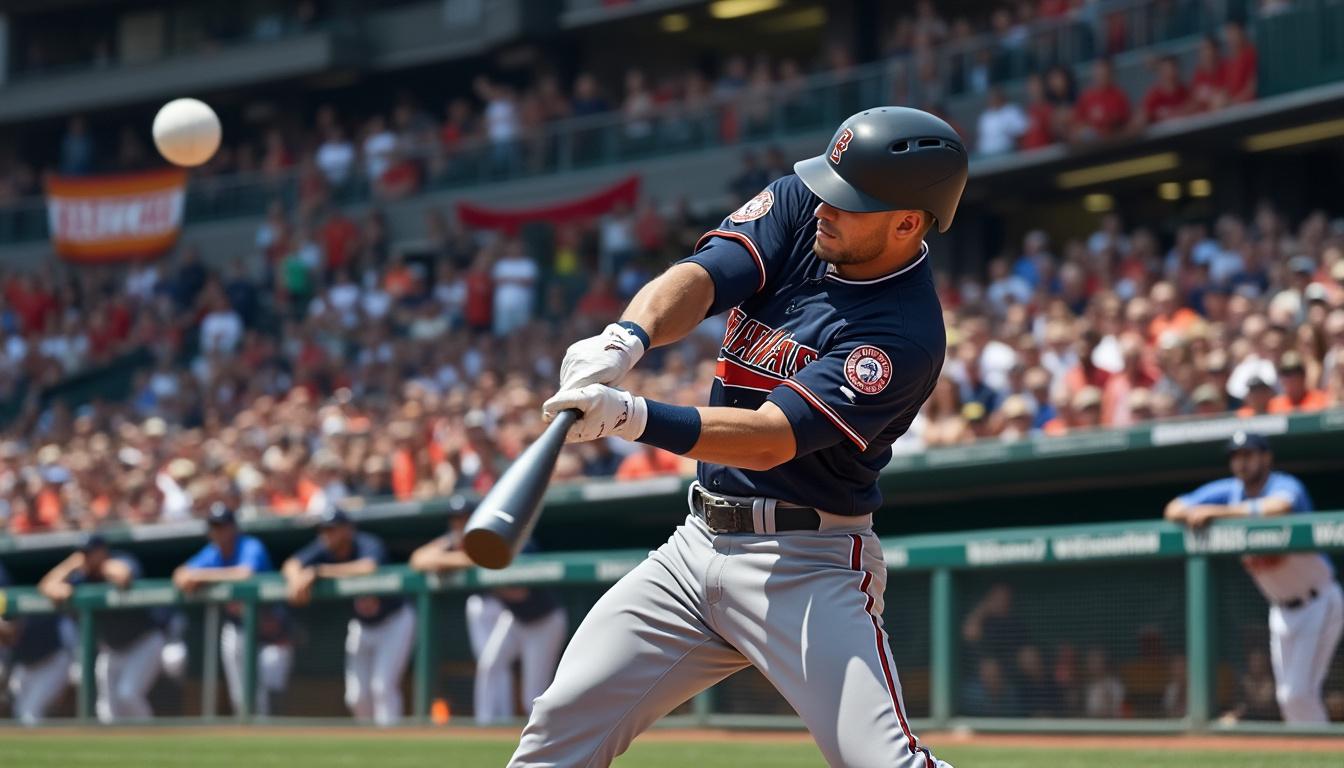
MLB Teams’ Strategic Fits: Who Needs What in the Free Agent Market?
Baseball teams manage a delicate balance between present competitiveness and future sustainability. The MLB Free Agency market offers an arena where front offices can strategically address roster gaps while managing salary commitments and long-term plans. This season’s biggest free agent signings will largely be driven by how teams perceive fit and value these top players bring to their current roster compositions.
Take the Los Angeles Dodgers, for instance. With concerns about offensive production in left field and uncertainty around aging stars, the Dodgers could be the ideal match for Kyle Tucker. Their willingness to spend big aligns with Tucker’s asking price, ensuring a robust market competition. Additionally, the Dodgers are linked to Dylan Cease as a potential rotation piece, highlighting their dual focus on offense and pitching.
The Philadelphia Phillies, coming off a championship window driven by impactful players like Kyle Schwarber (returning after signing a lucrative contract), look to further strengthen their lineup. Schwarber’s consistent power hitting makes him not only a fan favorite but also a cornerstone for Phillies’ future planning. Phillies have also shown interest in extending players like Ranger Suarez who bring reliability to their pitching staff.
On the flip side, the Baltimore Orioles are in search of pitching stability, making Framber Valdez an attractive target given his durability and consistent innings workload. Similarly, the Toronto Blue Jays, positioned to rebuild around youthful core talent yet still maintaining competitive ambitions, appear inclined to pursue middle infielders like Bo Bichette or starting pitchers such as Ranger Suarez.
- Utility of versatile players: Teams covet players with adaptability across multiple positions to maximize roster flexibility.
- Payroll considerations: Teams must weigh guaranteed contract values with luxury tax implications and budget ceilings.
- Draft pick compensation impact: Understanding how qualifying offers and compensatory draft picks influence signings.
- Long-term vs. short-term strategy: Some clubs prefer multi-year security, others opt for shorter deals with opt-outs.
| MLB Team | Key Needs | Potential Free Agent Targets | Roster Fit |
|---|---|---|---|
| Los Angeles Dodgers | Power hitter (LF), Starting pitcher | Kyle Tucker, Dylan Cease | Upgrade in offense and rotation depth |
| Philadelphia Phillies | Power bat, Reliable starter | Kyle Schwarber, Ranger Suarez | Maintain championship core and add pitching stability |
| Baltimore Orioles | Durable starter | Framber Valdez | Bolster rotation with innings-eater |
| Toronto Blue Jays | Middle infield, Pitching depth | Bo Bichette, Ranger Suarez | Balance rebuild with competitive additions |
Exploring these team strategies reveals the diverse approaches taken in the free agent market, intertwining existing roster strengths with pressing needs. The dynamic nature of player fits and contract negotiations presents a thrilling canvas for MLB fans and followers of MLB offseason rumors and strategic moves.
Contract Negotiations and Market Dynamics in MLB Free Agency
Negotiating free agent contracts in Major League Baseball is an art form shaped by market dynamics, player valuations, team payroll limitations, and the backdrop of collective bargaining. In 2025, these factors become even more complex with an expected lockout potentially complicating deal structures and timing.
Players like Kyle Tucker and Bo Bichette, backed by top agencies such as Excel Sports Management, will likely set the benchmark for annual average values (AAVs) in this free agent class. Tucker’s expected 11-year, $400 million contract showcases the premium placed on elite hitters. However, such contracts also include considerations for opt-outs, incentives, and injury protections, as players and teams navigate the uncertainty of the MLB labor landscape.
On the pitching side, veterans like Dylan Cease and Framber Valdez represent a contract market influenced heavily by durability and recent performance peaks and valleys. Cease’s volatility might push him towards shorter deals with opt-outs, while Valdez’s consistent innings could command a longer deal despite his advancing age.
- Opt-out clauses: These provide flexibility for players to revisit the market if conditions improve.
- Qualifying offers and draft pick compensation: Influence player marketability and team willingness to bid aggressively.
- Market competition: Bidders compete not just financially, but by offering roles and playoff opportunities.
- Financial prudence vs. star acquisition: Teams balance luxury tax penalties with the need to acquire talent.
| Player | Agent | Expected Contract Type | Negotiation Influencers |
|---|---|---|---|
| Kyle Tucker | Excel Sports Management | Long-term (11 years), high AAV | Performance, age, injury history |
| Bo Bichette | Excel Sports Management | 8-year deal | Positional flexibility, previous injuries |
| Dylan Cease | Scott Boras | Potential short-to-mid term with opt-outs | Recent ERA fluctuations, strikeout profile |
| Framber Valdez | Independent | Mid-term (5 years) deal | Durability, innings pitched |
The 2025 MLB offseason will surely be filled with strategic maneuvering behind closed doors, with teams navigating the baseball market carefully and leveraging baseball trades and contract negotiations to maximize value. The upcoming changes in the collective bargaining agreement and the potential lockout starting after the 2026 season add stakes that couldn’t be higher.
Baseball Trades and Their Influence on the Free Agent Market
MLB trades act as a vital supplement to free agency, offering teams alternative paths to fulfill needs and reshape rosters. The 2025 offseason continues to demonstrate this, with several big moves impacting the free agent landscape, either by creating or reducing demand for certain positions.
For example, the Houston Astros’ decision to trade Kyle Tucker to the Chicago Cubs prior to free agency is a textbook case of a team cashing in on value rather than extending a costly contract. This move not only shifted the market around right fielders but also affected the Cubs’ plans and spending ability during the free agent frenzy.
Further, teams’ willingness to swap prospects for immediate impact—often to address pitching rotation needs or shore up lineups—feeds into how aggressive they will be in signing top targets in free agency. These moves create a cascading effect through the league, with some teams shifting focus to development and others doubling down on veteran acquisitions.
- Trade-Related Market Adjustments: Understanding how trades affect free agent interest and bidding wars.
- Prospect Capital: Teams evaluate whether to trade young talent or keep prospects when pursuing free agents.
- Financial Impact: Trades can release payroll, enabling teams to bid on marquee free agents.
- Player Movement Consequences: Trades influence positional depth and free agent fits across teams.
| Trade Detail | Impact on Free Agency | Teams Affected |
|---|---|---|
| Kyle Tucker traded from Astros to Cubs | Released Astros cap space, raised Cubs free agent expectations | Astros, Cubs, potential Tucker suitors |
| Multiple rotations bolstered via trades | Reduced urgency for starters in free agency for some teams | Various MLB teams |
Tracking these trades provides a crucial lens into the broader strategy that MLB teams use ahead of free agent analysis and roster building. The interplay between trades and free agent contracts is where baseball’s off-the-field drama is most intense and captivating.
Versatile Player Fits and Long-Term Outlooks in MLB Free Agency
The Major League Baseball free agent market this offseason underlines the increasing value teams place on versatility and the potential for players to adapt their roles over time. Prospects like Munetaka Murakami and veterans like Alex Bregman offer teams flexibility in lineups and defensive alignments, shaping not only immediate impacts but also long-term roster construction.
Murakami, coming from a dominant career in Japan, brings prodigious power with projected fits mainly at first base or designated hitter roles due to defensive uncertainty at third base. His youth makes a long-term investment appealing, particularly for clubs looking to diversify offensive firepower while maintaining fiscal prudence through posting fee considerations.
Bregman, meanwhile, balances solid offensive production with leadership and clubhouse presence, making him a strong candidate for teams aiming for sustained competitiveness. His move from the Astros to the Red Sox and impending free agency highlight how player versatility and approach can influence contract length and value.
- Defensive flexibility: Ability to shift across infield and sometimes outfield positions enhances contract value.
- Power vs. Contact balance: Teams evaluate how players’ hitting styles match lineup construction philosophies.
- Age and contract length considerations: Younger players often secure longer contracts; veterans may favor shorter deals.
- International player posting fees: Impact total investment calculations for teams targeting players like Murakami.
| Player | Primary Position(s) | Projected Contract Length | Main Organizational Fits |
|---|---|---|---|
| Munetaka Murakami | 3B/1B/DH | 8 years | Red Sox, Mets, Mariners |
| Alex Bregman | 3B | 6 years | Red Sox, Tigers, Phillies |
| Kyle Schwarber | DH | 5 years | Phillies, Reds |
By weighing these factors alongside big market pressures and smaller payroll team strategies, MLB free agency’s Top Targets emerge not only as headline grabbers but as key pivots in baseball’s constantly shifting competitive balance. To track related rumors and the latest developments, the comprehensive free agent resource at ThroughSports offers timely updates and expert insights.
Which players are projected to receive the largest contracts in 2025 MLB free agency?
Kyle Tucker leads the projections with an estimated $400 million contract over 11 years, followed by Bo Bichette and Dylan Cease, who are expected to secure multi-year deals surpassing $180 million.
How do qualifying offers affect free agent signings in the MLB?
Qualifying offers attach draft pick compensation to players who reject them, potentially lowering their market value and influencing what teams are willing to offer financially.
Why are player versatility and defensive adaptability important in free agency?
Teams value versatile players who can cover multiple positions, allowing for more flexible roster construction and better in-game strategic options, which often results in higher contract valuations.
What impact do baseball trades have on the free agent market?
Trades can open up payroll space, adjust team needs, and shift market demand by introducing or removing positional necessities, thereby influencing free agent contract negotiations and bidding wars.
How might the expected post-2026 MLB lockout influence free agency?
The looming lockout introduces uncertainty, leading both players and teams to potentially prefer shorter deals with opt-outs to mitigate risks associated with service interruptions and salary cap changes.