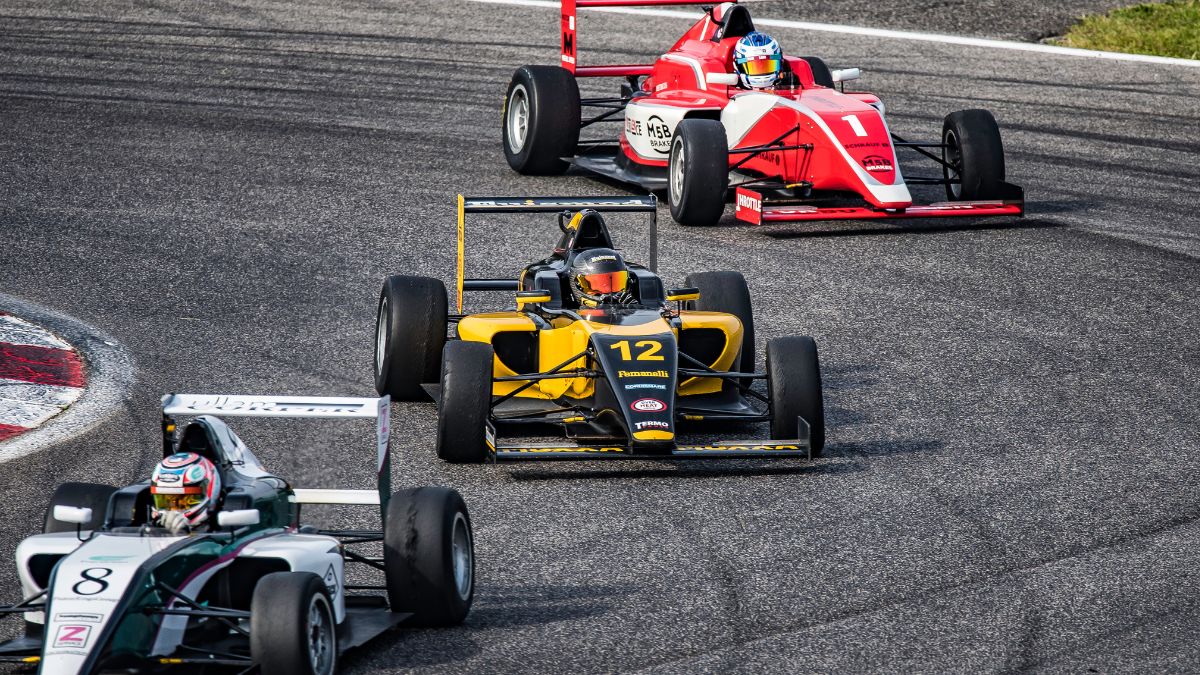
The 2025 Formula 1 season has crossed its midpoint, igniting a complex and thrilling strategic dance among teams grappling with immediate race tactics and ambitious long-term development goals. The landscape is marked by McLaren’s dominant surge, maintaining a commanding lead in the Constructors’ Championship with 460 points and boasting both Oscar Piastri and Lando Norris topping the Drivers’ standings. Meanwhile, Ferrari and Mercedes are locked in a fierce secondary battle, each seeking to consolidate positions as they prepare for revolutionary technical changes slated for 2026. Red Bull Racing, despite Max Verstappen’s stellar individual performance, finds itself lagging in fourth within the Constructors’ rankings, revealing cracks in their team strategy underlined by reliance on a single driver. Across the paddock, teams are recalibrating their focus—balancing between car upgrades and performance optimization on the track now, and radical development plans for the seismic regulation overhaul looming on the horizon.
This pivotal moment in Formula 1 highlights the intricate balancing act defining modern motorsport’s strategic ethos. Teams are forced to weigh the benefits of mid-season gains against the imperative of investing in next year’s race machines, with the November 21 2025 date marking a key checkpoint in this evolution. The shifting priorities impact every facet of team strategy—from resource management and aerodynamic testing to power unit development. As 2026 promises smaller, lighter cars with groundbreaking electrification and active aero systems, the decisions taken today will shape competitive hierarchies tomorrow. Fans and insiders alike eagerly watch as F1 teams execute calculated gambles, knowing that this mid-season juncture is not just about points on the board but the trajectory of their entire season planning and future success.
Strategic landscape: How McLaren’s dominance reshapes F1 mid-season strategy and development priorities
In the intense world of Formula 1, the currents of mid-season strategy often set the tone for both immediate victories and long-term conquest. McLaren’s commanding lead with 460 points in the Constructors’ Championship has sent shockwaves through the paddock, forcing rivals to rethink their strategies amid this unexpected surge. With Oscar Piastri and Lando Norris sitting comfortably atop the Drivers’ standings with 234 and 226 points respectively, the McLaren duo’s consistent performance is a live demonstration of how precision race tactics and committed development efforts can blend to dominate form.
McLaren’s mid-season planning has uniquely prioritized agile but impactful car upgrades designed to optimize performance without heavy resource drainage—essential in the shadow of looming 2026 technical rule changes. Their approach includes:
- Targeted aerodynamic refinements that improve efficiency on medium to high-speed tracks without compromising development time.
- Suspension and chassis tweaks enhancing tire longevity and providing greater consistency across race conditions.
- Collaborative driver feedback loops ensuring development aligns precisely with on-track realities, helping outperform competitors adapting to the new season’s demands.
These efforts reflect McLaren’s savvy navigation of a season where every upgrade counts toward not only finishing races on podiums but also gaining invaluable data for 2026’s design push. MCLaren’s strategy prioritizes winning today without fully sacrificing the blueprint of tomorrow’s car.
In contrast, teams like Ferrari and Mercedes are caught in a balancing act, fighting to keep pace in second and third place while juggling resource allocation that increasingly favors the next-generation powertrains and chassis over incremental 2025 car improvements. Red Bull Racing’s struggle as a “one-car team,” heavily dependent on Max Verstappen, underscores the risks of unbalanced team strategy when the competition elevates development across the entire squad.
| Team | Constructors’ Points | Drivers’ Standings Highlights | Mid-Season Focus |
|---|---|---|---|
| McLaren | 460 | Piastri 234, Norris 226 | Optimized upgrades, maximizing current and future potential |
| Ferrari | 222 (approx.) | Leclerc & Sainz battling inconsistencies | Testing upgrades; balancing immediate results and 2026 prep |
| Mercedes | 205 (approx.) | Hamilton and Russell fighting for consistency | Revising aero concepts for 2026, limited 2025 tweaks |
| Red Bull Racing | 180 (approx.) | Verstappen 3rd overall | Struggling with dual-driver performance, reliant on Verstappen |
The strategic recalibration this season reveals that teams deploying focused, coherent development pathways like McLaren outperform those stretched thin between competing demands. This decisive phase around mid-November 2025 intensifies the pressure to balance car upgrades with foundational groundwork for transformative 2026 cars.
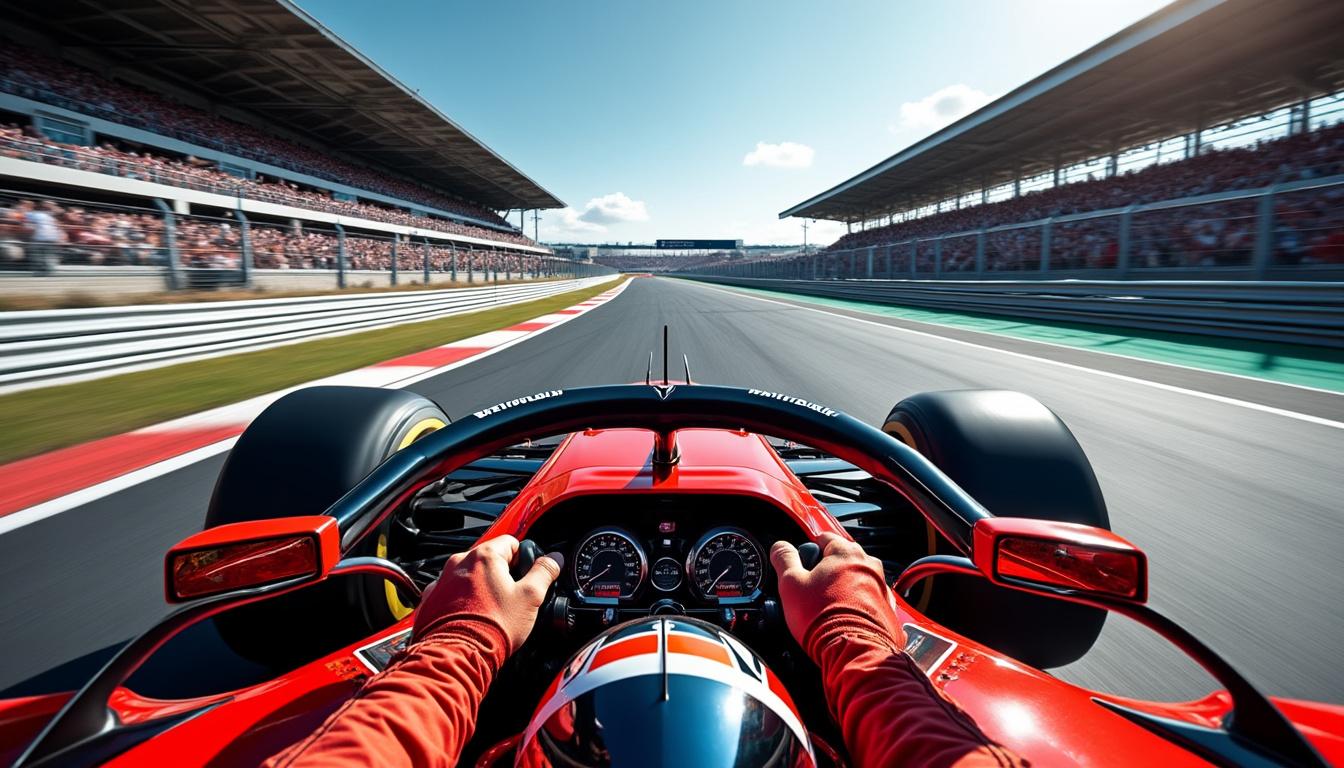
Understanding the looming 2026 Formula 1 regulations: how teams’ season planning adapts to future rule upheavals
The 2026 Formula 1 regulations promise one of the most radical overhauls in recent memory, compelling teams to rethink their entire development philosophy midway through the 2025 campaign. The sport is transitioning towards a paradigm focused on sustainability, electrification, and enhanced racecraft—objectives that deeply affect current season planning and development strategies.
Key elements of the 2026 car regulations include:
- Balanced power unit design: an even 50% split between internal combustion engine (ICE) and electric power with a significantly enlarged MGU-K and the removal of the MGU-H.
- Sustainable fuels: the mandatory use of 100% sustainable fuels to push environmental commitments forward.
- Smaller, lighter chassis: designed for greater agility and quicker tire warm-up, enabling closer and more aggressive racing.
- Active aerodynamics: introduction of movable front and rear wings enabling ‘Z-mode’ for cornering and ‘X-mode’ for straights, a technological leap forward in race tactics.
The implications for F1 teams are profound, as the R&D focus shifts significantly towards next year’s car. Teams have to make tough calls about when and how much resource to allocate toward 2025 car upgrades as they intensify preparations for these sweeping technical shifts.
Strategic approaches vary:
- Williams – opting to prioritize 2026 development aggressively, sacrificing some current season performance but betting on a stronger foundation for future competitiveness.
- McLaren – maintaining momentum in 2025 while keeping a robust transition plan for 2026, balancing resource allocation adeptly.
- Red Bull and Ferrari – split focus with oscillating commitments to current performance and next-gen developments, trying to reduce disruption during this transitional phase.
Understanding how teams manage this balance reveals much about their ambitions and risk tolerance. The November 21 2025 mid-season point embodies the tension between short-term glory and long-term battle-readiness.
| Team | 2025 Development Focus | 2026 Development Commitment | Strategic Risks |
|---|---|---|---|
| Williams | Limited upgrades | High focus, early resource allocation | Immediate competitiveness sacrificed |
| McLaren | Balanced upgrades | Phased investment, smart resource sharing | Risk of resource spread, but strong transition |
| Red Bull Racing | Focused on driver strengths | Moderate transition hedging bets | Potential stagnation if unbalanced |
| Ferrari | Incremental fixes | Increasing 2026 investment late in season | Risk of lagging behind rivals |
Fans tracking the driver market and team shifts for 2026 will find these strategic decisions critical in shaping future-season narratives and competitiveness. The comprehensive impact touches every arena from aerodynamic testing restrictions to budget cap management, ultimately redefining race tactics and development philosophy.
Enhancing race tactics mid-season: car upgrades and performance optimisation amidst transitional challenges
Mid-season in Formula 1 is always a pressure cooker for teams striving to extract extra tenths of a second from their cars. In 2025, this pressure intensifies due to the dual focus on current race results and long-term development, driving an ultra-competitive environment where race tactics and car upgrades are evolving rapidly.
Performance optimisation takes on several forms:
- Incremental aero improvements: many teams introduce subtle tweaks to the front and rear wings, aiming to enhance downforce without increasing drag to maintain top speeds.
- Cooling system refinements: small changes in cooling duct designs improve power unit reliability especially in warmer circuits, allowing drivers to push harder in races.
- Tire management strategies: teams develop compound-specific setups to maximize tire life and grip stability, critical in planning pit stops and race duration strategies.
- Software and data analytics: continuous improvements in telemetry systems allow real-time adjustments enhancing race tactics and driver feedback loops.
These upgrades synergize with advanced race strategies such as:
- Flexible pit stop timing: reacting dynamically to safety cars and weather conditions to gain track position.
- Fuel load calculations: precise management balancing speed and weight throughout race distance.
- Split strategy deployment: differentiating tactics between teammates to maximize overall team points haul.
Track-specific analyses also shape upgrade focuses:
- High-speed circuits encourage aerodynamic efficiency over downforce for straight-line speed.
- Twisty, technical tracks necessitate suspension and tire wear innovation.
- Variable weather tracks demand adaptable software and pit-stop tactics.
| Upgrade Focus | Performance Benefit | Example Circuits |
|---|---|---|
| Aerodynamic refinements | Improved grip and stability | Mexico City, Bahrain |
| Cooling system tweaks | Increased power unit durability | Monaco, Singapore |
| Tire management setups | Longer stints, strategic flexibility | Silverstone, Austin |
| Telemetry & software upgrades | Precise race tactics adaptation | All circuits |
For detailed insights on circuits gearing up for this season’s battles, including the Mexico City Grand Prix dynamics and Austin’s critical upcoming race, fans can dive deep into how teams tailor upgrades for each challenge.
Team dynamics and resource allocation: the balance between short-term gains and 2026 development
Formula 1 teams in 2025 are navigating a complex matrix of internal strategizing, weighing short-term mission-critical performance against the pressing need to invest in next generation machinery. This balancing act demands not only technical prowess but also exceptional management agility.
Key factors influencing team strategy include:
- Budget Cap Constraints: stringent financial limits challenge teams to optimize expenditures between current upgrades and 2026 R&D, often forcing hard choices.
- Aerodynamic Testing Regulations (ATR): reduced wind tunnel and CFD hours prioritize precision in development cycles, impacting how swiftly teams react to performance gaps.
- Human resources and expertise: top engineers and design talent are increasingly stretched, necessitating prioritization in project focus.
- Competitive benchmarking: continuous assessment of rivals’ pace dictates resource shifts to close gaps or solidify leads.
Resource allocation strategies vary widely among teams:
| Team | Short-Term Performance Investment | 2026 Development Allocation | Strategic Implications |
|---|---|---|---|
| Williams | Low | High | Long-term rebuild, short-term competitiveness risk |
| Mercedes | Moderate | Moderate | Balanced approach, risk of falling behind both fronts |
| McLaren | High | High | Resource spread but poised for a strong 2026 launch |
| Red Bull Racing | High | Moderate | Immediate results prioritized, 2026 risk adjusted |
Such balancing acts reveal the high stakes and complexities that make F1 mid-season strategy a captivating chess match, with teams constantly adjusting the scales between maximizing current season points and ensuring future dominance through development.
New power units and team shake-ups: what the entry of Audi, Ford, Honda, and Cadillac means for F1’s strategic evolution
The entry of new power unit manufacturers and team formations represents a seismic shift in Formula 1’s strategic ecosystem for 2026 and beyond. Audi, Ford (in partnership with Red Bull Powertrains), Honda’s return supplying Aston Martin, and the debut of Cadillac configuring initially with Ferrari power units all promise to disrupt established hierarchies.
These manufacturer moves inspire several strategic responses:
- Engineering collaboration acceleration: teams are leveraging new partnerships to fast-track innovation in next-gen powertrain designs.
- Competitive pressure intensification: more engine suppliers raise the stakes, pushing teams to chase every fractional advantage.
- Market dynamics and driver market implications: new works teams reshuffle driver opportunities and contractual strategies, impacting race tactics indirectly.
- Long-term development partnerships: alignments around power units influence team design philosophies and resource planning well into the decade.
The new entrants link directly to broader discussions on sustainable racing, electrification, and performance optimization that dominate the sport’s future. F1 teams not only must refine in-season tactics but also embrace this larger strategic evolution to stay competitive.
For readers interested in how these major team and engine manufacturer moves are reshaping the F1 landscape, exploring the driver partnership shifts at Red Bull and power rankings provides invaluable perspective on the emerging competitive order.
| Manufacturer | Team Affiliation | 2026 Car Impact | Strategic Significance |
|---|---|---|---|
| Audi | Own works team | New power unit, late entry adjustments | Introducing fresh technological innovation |
| Ford (Red Bull Powertrains) | Red Bull Racing | Enhanced hybrid systems, strategic synergy | Potential championship contender boost |
| Honda | Aston Martin | Works supplier role, new PU design | Amplifies Aston Martin’s long-term potential |
| Cadillac | New team entry | Initial Ferrari PUs, development growth | Expanding grid diversity and competition |
This power unit revolution is critical for how F1 teams shape both their immediate and extended season planning, ensuring that from race tactics to development strategy, every move counts in this high-stakes arena.
How does the mid-season performance impact 2026 development plans?
Mid-season performance provides crucial data and insights that influence resource allocation and refinement focus for 2026 cars. Teams balance immediate gains with long-term innovation.
Why is McLaren leading the 2025 season so convincingly?
McLaren’s consistent driver performances and targeted upgrade strategy have optimized race tactics and performance, leading to a dominant position in both Constructors and Drivers standings.
What are the main technical changes affecting the 2026 Formula 1 cars?
2026 cars will feature a 50/50 power split between combustion and electric engines, active aerodynamic elements, smaller chassis, and sustainable fuels, radically altering race dynamics.
How do new engine manufacturers affect team strategies?
New manufacturers bring fresh technologies and partnerships, intensifying competition and impacting resource planning and team development focus within the sport.
What challenges do teams face balancing 2025 upgrades and 2026 preparations?
Teams must navigate budget caps, limited wind tunnel time, and technical regulations while deciding how much to invest in current performance versus future car development.