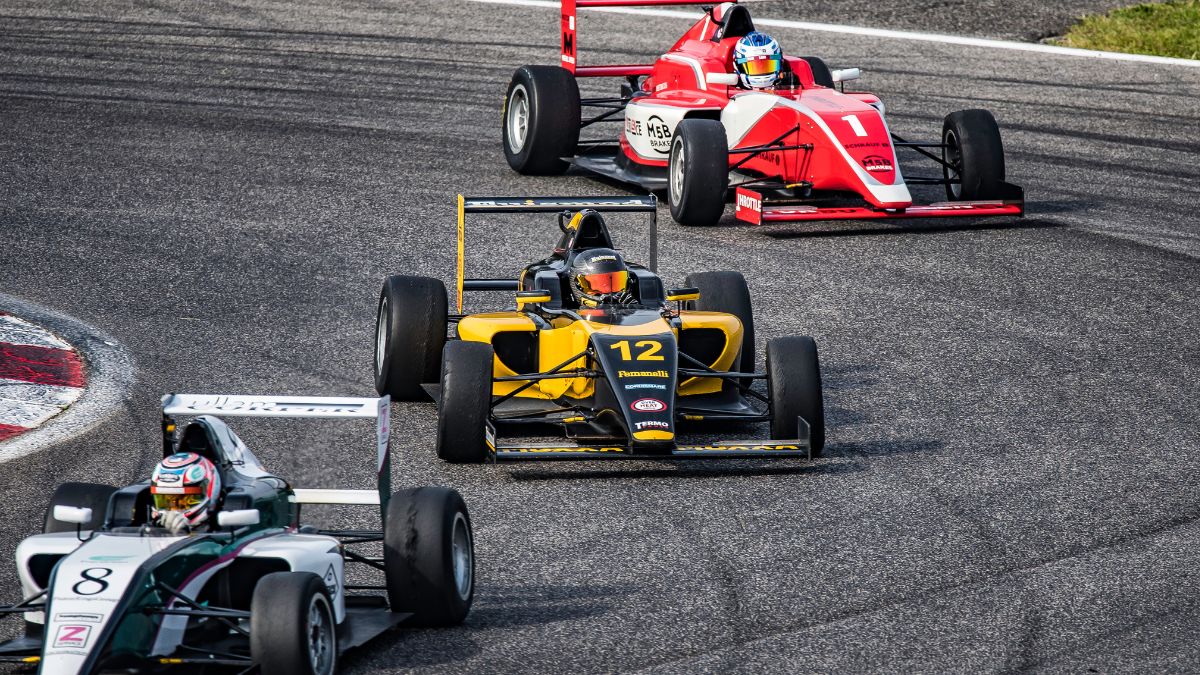
The 2026 Formula 1 season is rapidly approaching, and with it comes a wave of excitement and anticipation as teams across the grid finalize their driver lineups and strategize their race plans. This upcoming championship run promises to be one of the most thrilling yet, not just because of the sweeping regulatory changes and the introduction of new power units, but also due to the dynamic shifts in team compositions and fresh talent injected into the paddock. The sport is witnessing a fascinating blend of seasoned champions and rising stars preparing to clash on the world’s most prestigious motorsport stage. As the dust settles on contract negotiations and team announcements, fans and experts alike are analyzing the evolving pace of each squad’s season preparation, making bold predictions and setting expectations for the battles ahead.
Across the grid, from stalwart giants like Ferrari and Mercedes to ambitious newcomers like Cadillac and Audi, the strategy is clear: stability where it counts, and calculated risk-taking through new driver integrations. Established driver contracts indicate a strong vote of confidence in proven contenders, yet teams eagerly nurture emerging talents to craft their championship contenders of tomorrow. This delicate balance between experience and youth is shaping the 2026 season’s strategic landscape, promising gripping narratives to unwrap race by race. The strategic choices made in this offseason won’t just affect qualifying performances—they will steer the entire momentum of championship campaigns, influencing everything from car development cycles to race-day tactics.
In this evolving context, the excitement is palpable: fans eager to witness high-octane speed, intense wheel-to-wheel battles, and unexpected twists as teams execute their meticulously planned race strategies. The 2026 season promises an electrifying showcase of skill, resilience, and engineering ingenuity, where every driver lineup finalized today will etch its mark on motorsport history. Dive into the details as teams reveal their contenders and color green light on their grand plans for a fascinating championship run.
Quick Overview: Key Takeaways on 2026 F1 Driver Lineups and Team Plans
- Most teams prioritize driver continuity, keeping proven pairs to manage risks amidst new regulations.
- Red Bull’s promotion of Isack Hadjar highlights a youth infusion alongside Max Verstappen’s leadership.
- Cadillac’s entry with experienced drivers Sergio Perez and Valtteri Bottas promises a solid foundation for their debut season.
- Ferrari balances raw speed and seasoned experience with Charles Leclerc and Lewis Hamilton.
- McLaren stays consistent with Lando Norris and Oscar Piastri, focusing on championship aspirations.
- Midfield teams like Alpine and Haas blend leadership with youthful potential to carve their strategies.
How Driver Lineups Are Shaping Team Strategies for the 2026 Championship
As the 2026 season preparation intensifies, the critical role of driver lineups in defining team success is clearer than ever. Teams are locking in their choices not just to fulfill contractual obligations, but as part of calculated season strategies designed to maximize performance and adaptability. Continuity reigns supreme: McLaren’s trust in Lando Norris and Oscar Piastri’s multi-year contracts reveal a deliberate strategy to maintain momentum through the massive technical overhaul introduced this year. Norris’s aggressive race pace and Piastri’s tactical consistency provide a perfect balance, enabling McLaren to develop their car around a stable feedback loop and streamline simulator development time.
Ferrari’s line-up of Charles Leclerc and Lewis Hamilton juxtaposes youth and experience, a strategic move aimed at harnessing raw speed while navigating complex race situations intelligently. Both drivers command long-term contracts, signalling Ferrari’s priority to stabilize performance rather than undergo radical late-season shuffles. Hamilton’s 2026 contract extension reflects the team’s confidence in his veteran insight, critical in supporting Leclerc’s drive for championship glory amidst fierce competition.
On the other hand, Red Bull adopts a dual-pronged approach: Max Verstappen remains the centerpiece for immediate title contention, but the elevation of Isack Hadjar from the junior ranks evidences the team’s vision for sustained excellence. Verstappen leads car development efforts, while Hadjar gains invaluable exposure to the pressures and nuances of top-tier racing. Simultaneously, Racing Bulls focuses on nurturing future talent, fielding Liam Lawson and rookie Arvid Lindblad to hone skills and feedback mechanisms essential for Red Bull’s long-term programme.
Midfield teams project a blend of wisdom and enthusiasm through their lineups: Mercedes continue with George Russell’s steady leadership paired with Kimi Antonelli building consistency in his second season, while Alpine bets on Pierre Gasly’s experience and Franco Colapinto’s emerging prowess to foster growth. A similar pattern unfolds at Haas, balancing Esteban Ocon’s reliability with Oliver Bearman’s rising potential. These choices emphasize a measured buildup, recognising that consistent race plans and reliable feedback are paramount in the 2026 championship’s fiercely competitive environment.
New entrants Cadillac and Audi showcase pragmatic lineups to secure a strong foothold. Cadillac’s deployment of Sergio Perez and Valtteri Bottas—with their combined wealth of mileage and development skill—provides the safest foundation to navigate the rookie year surprises. Audi, recently evolving from Sauber, pairs Nico Hulkenberg’s calm expertise with Gabriel Bortoleto’s youthful energy, signaling a development-focused but cautious entry into the upper echelon. Together, these lineups illustrate a grid that respects both the urgency of racing success and the prudence required during a critical regulatory transformation.
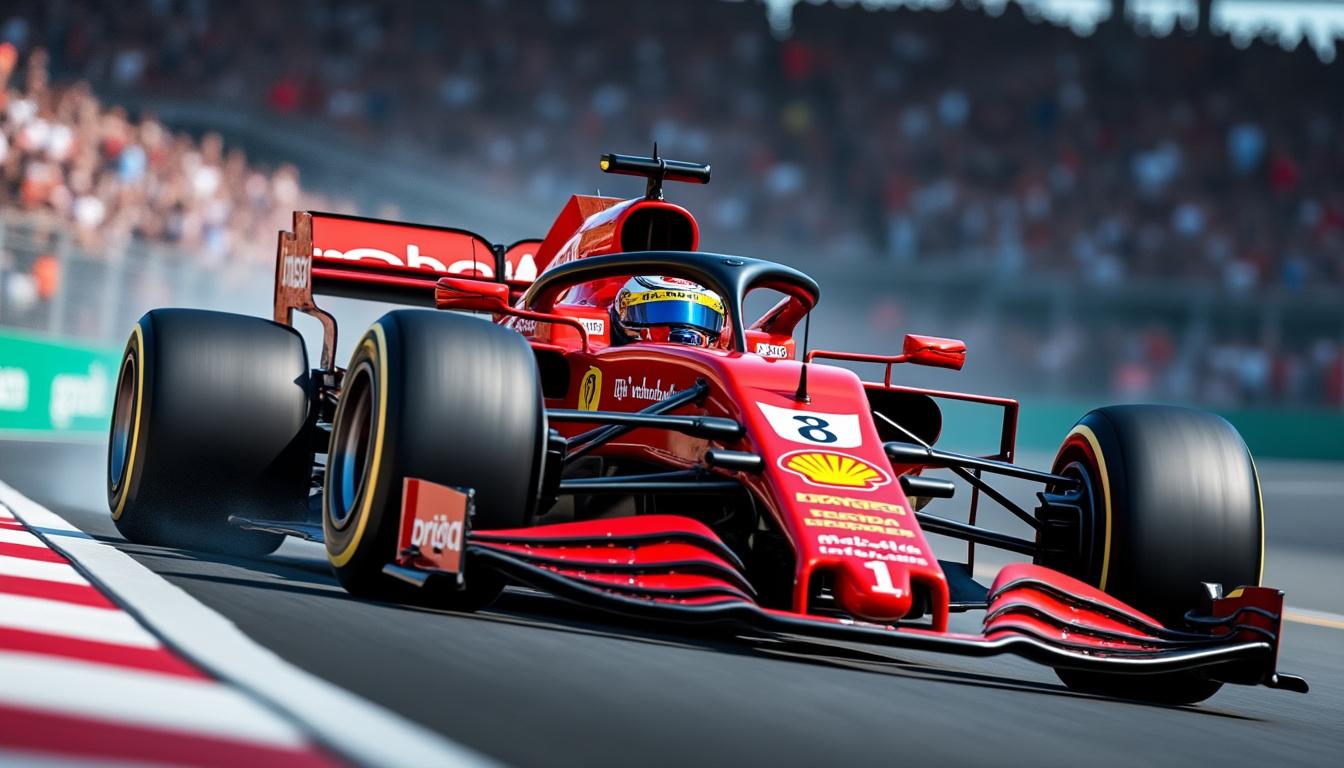
Major Teams Finalize Contracts as Championship Contenders Cement Their Roles
Behind every finalized driver contract lies an intricate web of negotiations, assessments, and ambition, all geared towards defining championship contendership. Teams resist the temptation to gamble on short-term stints. Instead, they invest in lineups poised to deliver consistency, development insights, and leadership during the season’s turbulent demands.
In 2026, multi-year driver contracts are paramount for teams like McLaren and Ferrari, clearly mapping out a path for championship aspirations without mid-season upheavals. McLaren’s confidence in Norris and Piastri stretches back through previous seasons, rewarding their growth pollenized by strategic race plans. Norris, known for his blistering qualifying pace, and Piastri, a driver lauded for clean execution and error minimization, form a unit optimized for the 2026 technical mandates.
At Ferrari, Leclerc’s long-term deal ensures that the team’s primary weapon remains focused on speed and agility. Meanwhile, Lewis Hamilton’s return extends experience vital to containing pressure and maximizing team points haul. Their combined presence provides strategic leverage, each helping the other navigate unforeseen race dynamics in what is anticipated as a tightly-wound championship battle.
The presence of Max Verstappen sealed with a contract through 2028 illustrates Red Bull’s unwavering commitment to a championship dynasty. Integrating Isack Hadjar from junior ranks not only secures fresh talent but entrusts him with responsibilities expected to prepare him for future leadership roles. Red Bull Racing’s plans rely heavily on Verstappen driving the program forward while adhering to tight feedback loops courtesy of Hadjar and the wider team.
Meanwhile, dependable pairings at Mercedes, Aston Martin, and Alpine illustrate a trend prioritizing experience blended with tactical development. George Russell’s extension reflects Mercedes’ return-to-glory ambition post-turbulent seasons, while Fernando Alonso’s seasoned expertise at Aston Martin is seen as integral to balancing new power unit challenges. Alpine’s relationship with Gasly and young Colapinto showcases a classic senior-junior mix designed for smooth seasonal transitions.
2026 Driver Line-up Table: Full Grid and Contracts
| Team | Drivers | Contract Status |
|---|---|---|
| McLaren | Lando Norris, Oscar Piastri | Multi-year agreements, stable |
| Ferrari | Charles Leclerc, Lewis Hamilton | Long-term, through 2029 & 2026 |
| Red Bull | Max Verstappen, Isack Hadjar (racing), Yuki Tsunoda (reserve) | Verstappen to 2028, Hadjar promoted |
| Racing Bulls | Liam Lawson, Arvid Lindblad | Fresh talent development |
| Mercedes | George Russell, Kimi Antonelli | Extension for Russell, 2nd year for Antonelli |
| Aston Martin | Fernando Alonso, Lance Stroll | Continuous partnership |
| Alpine | Pierre Gasly, Franco Colapinto | Senior-junior synergy |
| Haas | Esteban Ocon, Oliver Bearman | Reliable midfield duo |
| Williams | Carlos Sainz, Alex Albon | Strong midfield pairing |
| Audi | Nico Hulkenberg, Gabriel Bortoleto | Development phase duo |
| Cadillac | Sergio Perez, Valtteri Bottas | Experienced debut team |
Strategic Impact of Newly Confirmed Driver Pairings on Team Race Plans
The finalized driver lineups dramatically influence each team’s race plans and season strategy, especially amid the complex 2026 regulatory landscape. Maintaining stable pairings reduces “noise” related to car setup and simulator data, allowing teams to channel their engineering resources into optimizing performance and reliability. For instance, McLaren attributes part of their recent successes to the synergy between Norris’s maximal aggression and Piastri’s methodical feedback, which combined offer precise data for rapid development cycles.
Red Bull’s decision to onboard Isack Hadjar alongside Verstappen introduces a fresh dynamic. While Verstappen assumes the mantle of team leader and development anchor, Hadjar’s ascendancy ushers in intense intra-team competition essential for pushing technical boundaries. Racing Bulls’ approach highlights the academy’s commitment to refining raw talent through stringent race programs, with Liam Lawson’s mature race pace complementing Lindblad’s rookie energy, ultimately setting a robust foundation for Red Bull’s future.
Teams like Mercedes and Alpine rely heavily on consistency. George Russell’s experience commands race-day focus and adaptable strategies, while Alpine’s Gasly offers calm leadership paired with Colapinto’s hunger for growth, balancing race resource management with on-track risk-taking. This approach typically results in fewer errors and better tire management—a crucial factor in 2026, given the new power units and energy recovery systems. Haas’s pairing delights fans with a blend of Ocon’s grit and Bearman’s rising talent aiming at targeted midfield points, enabling focused development within staunch championship battles.
The introduction of Cadillac and Audi to the grid is particularly noteworthy for their strategic lineups. Both teams trust seasoned drivers to handle critical early development stages under pressure. Perez and Bottas bring institutional knowledge and development savvy crucial to avoiding rookie team pitfalls, while Audi’s Hulkenberg guides Bortoleto’s rookie debut, melding mentoring with competitive race ambitions. These tactics serve to accelerate learning curves and reinforce a steady championship strategy rather than recklessly chasing immediate results.
Driver Lineups and Team Announcements Fuel Fan Excitement and Motorsport Buzz
As teams unveil their official driver lineups, the global motorsport community buzzes with speculation and enthusiasm. These announcements affect not just team internal dynamics but also the broader championship narrative. Fans dissect every nuance in contract durations and driver transitions, aligning their expectations with emerging championship contenders’ profiles and recent performance trajectories.
For the casual follower and dedicated fan alike, the 2026 grid’s blend of stability and fresh faces promises a season packed with drama, suspense, and heart-stopping overtakes. The sport’s ongoing evolution—with new power units, hybrid technologies, and technical regulations—demands team announcements to be more than mere formalities; they are strategic declarations. Behind every driver contract lies a story of racing ambitions, technical challenges, and championship dreams. This underlying drama is the lifeblood of any great season, multiplying buzz before the first race even takes the limelight.
Subtle shifts in team pairing dynamics can dramatically alter race performances and overall standings. For example, Red Bull’s commitment to Verstappen and Hadjar could redefine championship battles, while McLaren’s faith in Norris and Piastri sets the tone for a fierce challenge. Following the early favorites for the title gives fans a pulse on who might dominate the season. Meanwhile, unexpected performances from teams like Aston Martin and Alpine could open doors for surprises and shake-ups in the midfield battles.
Complementing race coverage and driver insights, media channels like sports TV events and multi-sports broadcasts keep fans connected across the globe. Accessible and in-depth analysis ensures both newcomers and seasoned enthusiasts absorb the evolving championship landscape, enriching every race weekend with deeper context and passion.
Key Points Reflecting How Driver Lineups Will Influence the 2026 F1 Season
- Driver stability accelerates development: Teams rely on trusted pairings to provide consistent feedback crucial for rapid technological adaptation.
- Youth vs Experience balance: Emerging talents are paired alongside seasoned drivers to blend raw speed with racecraft insights.
- Newcomer strategies emphasize reliability: Cadillac and Audi field experienced drivers to minimize rookie learning curve errors.
- Strategic season plans: Continuity in lineups allows teams to refine race plans rather than reorient mid-season.
- Fan engagement: Announcements and contract renewals boost motorsport excitement ahead of the 2026 championship run.
What are the standout driver changes for the 2026 F1 season?
The most significant change is Red Bull promoting Isack Hadjar to a full-time seat alongside Max Verstappen, while Racing Bulls add rookie Arvid Lindblad. Other teams maintain stable pairings to focus on development and consistency.
Why are most teams sticking with existing driver pairings?
Stability helps teams manage the transition to new power units and regulations by ensuring consistent car feedback, reducing adaptation risks, and sustaining development momentum.
How does the arrival of new teams affect driver lineups?
New teams like Cadillac bring experienced drivers such as Sergio Perez and Valtteri Bottas to provide reliable race performance and development insight, offering a solid foundation for their debut seasons.
What role does youth development play in the 2026 driver lineups?
Teams like Red Bull and Racing Bulls actively promote young talents like Isack Hadjar and Arvid Lindblad, who are groomed to become future championship contenders through strategic race exposure.
How can fans follow the latest updates on driver contracts and team plans?
Leading sports websites and channels, such as those providing multi-sports coverage or F1-specific title predictions, offer continuous updates and expert analysis throughout the off-season.