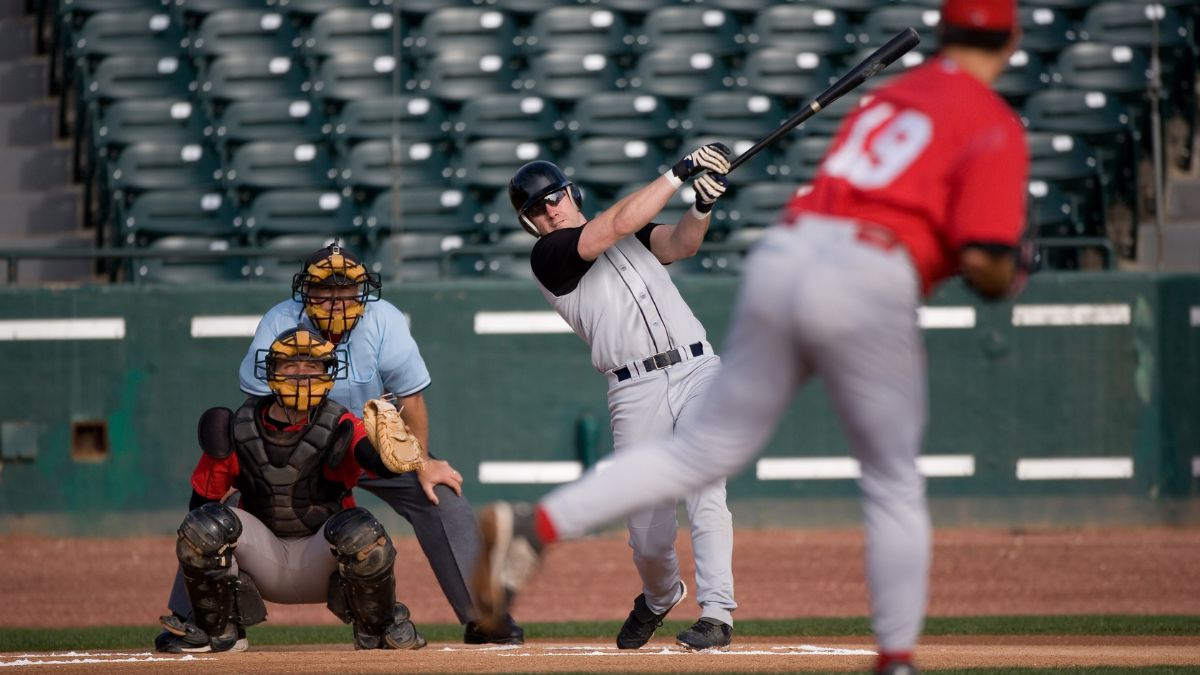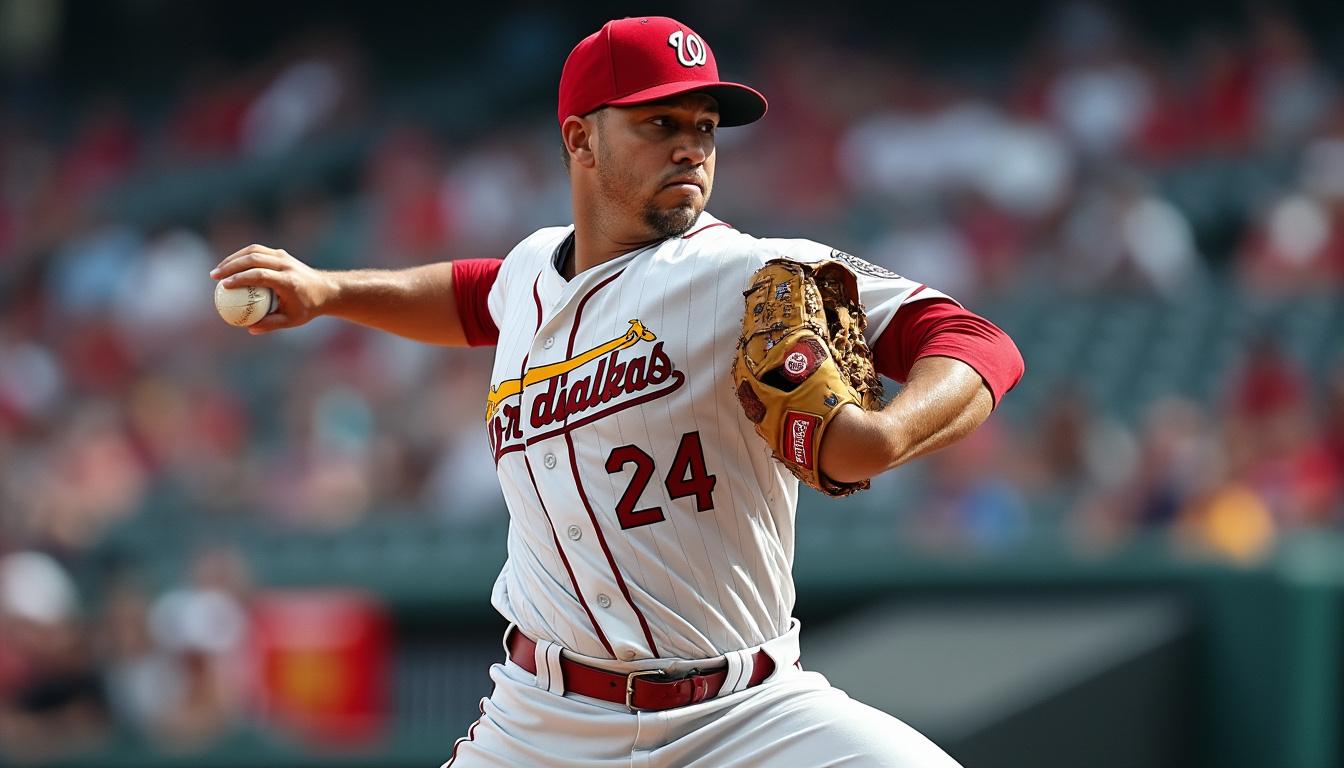
As the 2025 MLB season unfolds, veteran pitchers are stepping up to reshape traditional pitching rotations, driving teams toward ambitious strategic adjustments. These experienced arms, equipped with years of battlefield savvy, are not only influencing the way starting lineups are formed but also forcing front offices and managers to rethink game planning and player roles. With the grueling 162-game grind demanding depth and durability, baseball tactics are evolving, blending sports analytics with seasoned intuition to secure every possible edge.
Teams are no longer settling for the classic five-man rotation formula. Instead, a growing emphasis on rotation roles highlights the need for flexibility and adaptability — qualities abundant in veteran pitchers. Their performance in varied roles such as spot starters, bullpen mentors, or long relief specialists speaks to a broader trend in team strategy that values versatility and experience. This shift reflects a deeper understanding of pitcher performance and health management, allowing franchises to make precise strategic adjustments based on analytics as well as tangible in-game factors.
From San Francisco’s Giants, who are leaning on a mix of youth and veterans, to others deploying six-man rotations or modified bullpen usage, the evolving landscape underlines a transformative period in Major League Baseball. Veterans are becoming pillars in these revamped rotations, seamlessly integrating with young talents while anchoring the pitching staff through the season’s highs and lows. This dynamic interplay between seasoned pros and emerging stars defines present-day baseball tactics.
Such transformation invites fans and analysts alike to watch closely as these pitchers redefine what it means to lead a rotation in the modern MLB environment. With so much at stake, each pitch, adjustment, and decision bears significant weight in team outcomes.
Key points in the ongoing evolution of veteran pitchers and rotation roles include:
- Expansion and flexibility within pitching rotations, including the emergence of six-man rotations and bullpen-influenced starter usage.
- The critical role of veteran pitchers in mentoring younger arms and adapting fluidly to new roles.
- The impact of sports analytics on optimizing pitcher workloads and game planning.
- Balancing pitcher health with competitive demands through strategic adjustments in roles.
- The integration of pitching performance data to predict effectiveness, manage fatigue, and structure rotations.
Veteran pitchers as pivotal anchors in evolving pitching rotation strategies
Veteran pitchers have always represented reliability and experience but, in 2025, their role as anchors in pitching rotations has taken on new dimensions. As teams prepare for the long season, those with seasoned righty or lefty aces are leveraging their deep well of knowledge to redefine what starter roles look like.
The San Francisco Giants provide a prime example, where front office leader Farhan Zaidi emphasized the necessity of more than ten starting pitching options to survive the full slate of 162 games. This approach points to a strategic adjustment aiming to relieve the burden on young arms early in the season while capitalizing on veterans later to stabilize the rotation in pivotal stretches.
For instance, the Giants are relying on veteran starters like Blake Snell and Robbie Ray, both former Cy Young Award winners, to anchor late-season efforts. Snell’s recurring groin strains pose challenges but his experience and effectiveness when healthy remain valuable. Meanwhile, Ray’s meticulous recovery from Tommy John surgery has the Giants expecting a strong contribution post-All-Star break, which could dramatically affect their postseason push.
This shifting paradigm illustrates the weight veteran pitchers carry beyond just numbers; they bring leadership and invaluable insights to rotation roles that demand strategic thinking under high pressure. Their presence influences not only starting assignments but also bullpen configurations and player usage, making them indispensable in modern game planning.
Moreover, veteran pitchers serve as mentors within the clubhouse, helping young arms navigate the tough transition to big-league assignments. The Giants’ bullpen game strategy, interspersed with bulk innings from Spencer Howard, reflects how veteran roles impact both starters and relievers in baseball tactics designed to maximize effectiveness during stretches of increased workload.
Strategic adjustments around veteran involvement often hinge on detailed sports analytics measuring pitcher performance metrics like velocity, pitch mix, and inning limits. Jordan Hicks, traditionally a reliever but pitched like an All-Star starter, illustrates how teams use data to push talent beyond traditional roles without compromising health. The Giants carefully manage his innings to maintain effectiveness, reflecting a tactful balance between getting maximum use and avoiding overexposure.
In this sense, veteran pitchers redefine rotation roles by serving as both reliable workhorses and flexible contributors able to fill multiple slots in a pitching lineup that must respond dynamically to injuries and form fluctuations.
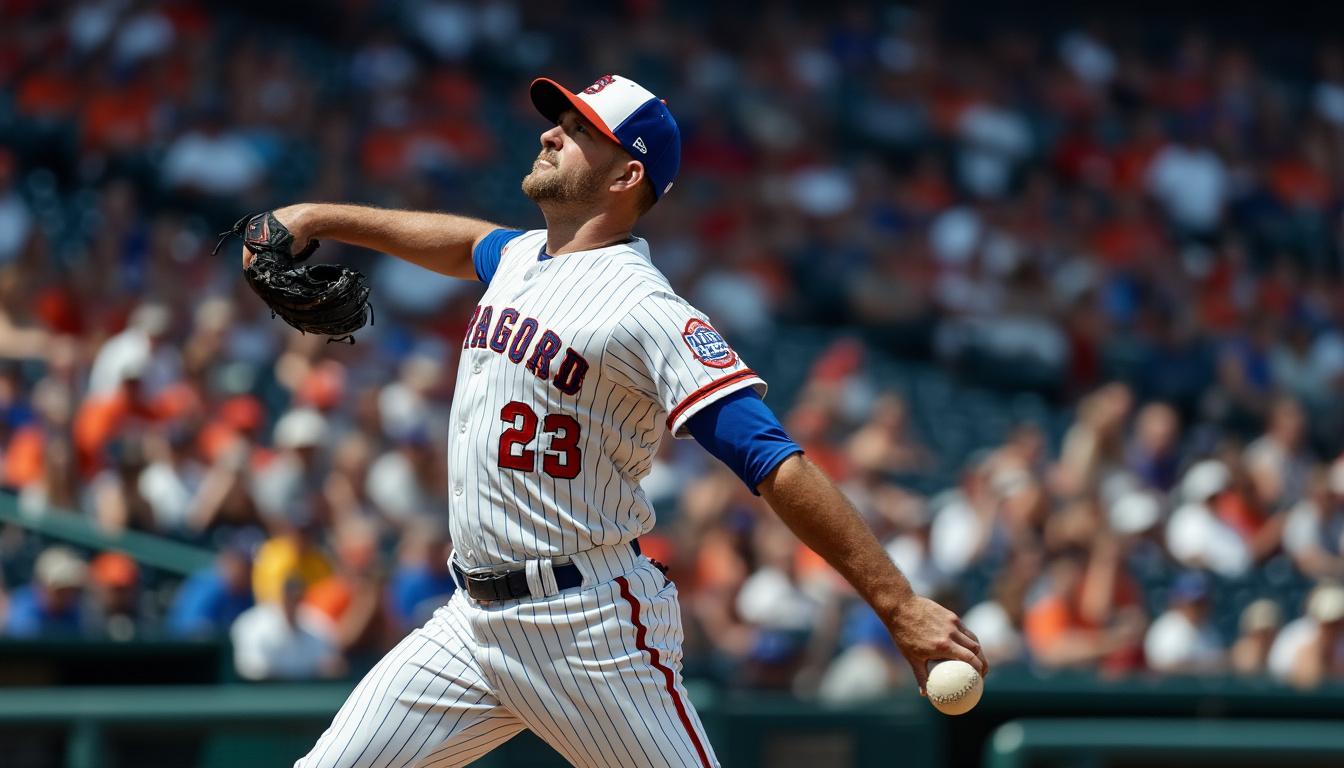
Strategic adjustments in team pitching tactics amid evolving player roles
In 2025, teams are not only grappling with the physical demands placed on their pitching staffs but also confronting a strategic chess match that requires quick thinking and innovation. Veteran pitchers are central pieces in this puzzle, and managers are recalibrating rotation roles with acute attention to individual player readiness, matchups, and season objectives.
One notable adjustment is the increasing reliance on hybrid roles — where veteran pitchers oscillate between starts and bullpen appearances to maximize value. This fluidity helps teams compensate for injuries or uneven workload distributions. For example, the Detroit Tigers recently shifted Chris Paddack from a starter to a bullpen role, a move that echoes deeper ideological shifts in player utilization and reflects an evolving understanding of pitching rotations.
Teams are expanding beyond traditional five-man rotations to six-man or more, a tactic allowing pitchers extra rest while maintaining rotation freshness. The Los Angeles Dodgers’ interest in implementing a six-man rotation in 2025 highlights how baseball tactics are adapting to modern demands, influenced by the success of dual-threat stars like Shohei Ohtani and international pitching philosophies.
Such strategic adjustments depend critically on analyzing pitcher performance data — pitch velocity trends, fatigue markers, and effectiveness against lineups. Managers combine these insights with a sharp eye for opponent tendencies, creating dynamic game planning that alters player roles game by game or even inning by inning.
Teams with veteran pitchers benefit from their ability to execute under various conditions, as well as their adaptability to new roles. This flexibility proves essential when a rotation spot faces turmoil due to injury or poor form, compelling a veteran to step up either as a traditional starter or in bulk relief capacity.
These shifts emphasize the role of shifting player roles within pitching rotations and underline why sports analytics, coupled with experienced decision-making, is paramount when preparing for the grind of a full MLB season. By successfully integrating these components, teams seek to maintain competitive advantage and safeguard pitcher health.
For fans keen on following these developments, the Hot Stove Tracker offers ongoing updates on how teams tweak rotations through trades and roster moves, underscoring the ever-changing landscape of pitching strategies.
Impact of veteran pitcher performance on baseball game planning and outcome prediction
Veteran pitchers influence not only the structure of their team’s rotation but also directly affect game planning and outcome expectations. Their consistency and know-how reduce volatility for managers when crafting matchups against opposing offenses, allowing more confident tactical decisions.
Performance metrics — including ERA, WHIP, strikeout rates, and advanced analytics like spin rate or pitch sequencing — help quantify veteran impact on the pitching rotation. The Giants, for instance, with a current ranking of 22nd in starters’ ERA, are actively using analytics to protect young arms like Kyle Harrison from overwork while maximizing innings from veterans with proven track records.
Real-world examples reinforce these principles. A veteran pitcher who can consistently locate pitches and suppress runs allows a manager to tailor bullpen usage more aggressively, conserving relievers for high-leverage situations. Veteran presence stabilizes the rotation, helping prevent cascading effects on overall team pitching performance.
Moreover, veteran pitchers often command respect in the clubhouse, impacting team morale and confidence, an intangible yet critical component of game planning. Their ability to perform under pressure reassures teammates and can shift momentum in tight contests, enhancing team resilience.
Such pitchers also serve as focal points in league-wide strategies. Teams analyze opposing veteran starters deeply, using scouting and analytics to identify weaknesses for exploitation. Simultaneously, veteran pitchers use their experience to adapt mid-game, countering opponent adjustments, which adds layers to baseball tactics concerning game planning and player roles.
The integration of veteran pitcher insights with data-driven strategies epitomizes the modern evolution in baseball, blending raw talent with analytical precision. This progress elevates fan appreciation for the nuances behind baseball’s strategic adjustments, offering a richer understanding beyond the linescore.
Balancing youth and experience in pitching rotations: Redefining player roles
One of the most compelling narratives in baseball today is how teams balance youthful exuberance with veteran savvy within their pitching rotations. The Giants’ approach typifies this blend, relying on young talents early in the season before pivoting to veteran pitchers to manage critical second-half games. This evolution challenges traditional roles and demands innovation in player development and game management.
Young arms bring potential and stamina but often lack seasoned polish, while veterans provide strategic acumen and mental toughness. Successful rotations are increasingly constructed using this complementary dynamic, where player roles are fluid and adjust to the season’s unfolding demands.
The Giants’ farm system reveals several prospects like Reggie Crawford and Hayden Birdsong, who have earned brief exposure to major-league challenges. Yet, their usage reflects a cautious phased-in approach designed to safeguard development while supporting rotation depth. Veteran pitcher leadership eases this transition, mentoring prospects and sharing workload through spot starts or bullpen appearances.
Here is a snapshot of how teams manage rotation roles combining youth and veterans:
| Rotation Aspect | Youth Contribution | Veteran Contribution |
|---|---|---|
| Durability | High stamina, prone to fatigue without experience | Lower innings but better workload management |
| Consistency | Variable; developing skills | Reliable and stable performance |
| Mentorship | Receiving guidance | Providing leadership and advice |
| Adaptability | Learning new roles | Flexible in multiple pitching scenarios |
This synergy allows teams to tailor rotations dynamically, improving results while managing player health. It also exemplifies how baseball tactics have matured, combining raw talent, experiential wisdom, and sports analytics insights.
Such a collaborative and strategic approach is a key theme in rising prospects gaining league attention, signaling a new era where the gap between youth and experience shrinks thanks to thoughtful game planning and role management.
Preparing for postseason challenges: The strategic value of veteran pitchers in rotations
As teams eye the postseason, the importance of veteran pitchers solidifies further in rotation discussions. Playoff baseball demands clutch performances, endurance, and tactical flexibility where seasoned starters often become decisive factors in outcomes.
The Philadelphia Phillies offer a clear example of strategic rotation changes designed to enhance postseason readiness. By promoting pitching prospects like Mick Abel and shifting veterans such as Taijuan Walker to bullpen roles, the Phillies demonstrate how veteran presence can be retooled to maximize team strength and adaptability during playoff runs.
Veteran arms in the rotation provide stability in the face of postseason intensity. Their ability to adjust to high-stakes scenarios, manage pressure, and execute complex pitching sequences renders them invaluable assets. Furthermore, their mental toughness and experience help younger teammates acclimate to playoff atmospheres, enriching overall team resilience.
Teams utilize advanced sports analytics to calibrate pitcher workloads heading into the postseason, balancing performance with injury prevention. Veteran pitchers’ consistent output allows managers to orchestrate rotations and bullpen usage with greater confidence, creating matchup advantages tailored to critical playoff games.
Here are key factors that define veteran strategic value during the postseason:
- Experience under pressure: Ability to excel in must-win situations.
- Flexible roles: Transition between starter, long relief, or even closer as needed.
- Leadership: Providing calm and guidance on and off the field.
- Durability under workload: Managing fatigue to remain effective late in series.
- Matchup expertise: Leveraging knowledge of opposing hitters for tactical advantage.
This array of contributions highlights why veteran pitchers remain central in postseason roster construction and decision-making. As teams prepare for the crescendo of competition, these pitchers embody the intersection of skill, experience, and strategy crucial to success.
Fans eager to analyze postseason rotations and trends can explore MLB postseason LCS previews and NLCS trends and matchup stats to appreciate the planting and execution of veteran-led rotation strategies in playoff contexts.
Why are veteran pitchers increasingly crucial in modern pitching rotations?
Veteran pitchers bring reliability, adaptability, and experience, which help teams manage workloads effectively, mentor young arms, and execute complex game plans.
How do teams use sports analytics in managing pitching rotations?
Teams leverage analytics to monitor pitcher performance, fatigue, and matchups, allowing for informed strategic adjustments and workload management throughout the season.
What is the significance of six-man rotations in MLB?
Six-man rotations provide extra rest for pitchers, reduce fatigue, and improve overall staff effectiveness, a trend increasingly adopted by teams with deep rotations.
How do veteran pitchers support younger pitchers on the team?
Veterans mentor younger pitchers by sharing experience, guiding them through challenges, and helping them adjust to major league demands.
In what ways do veteran pitchers impact postseason success?
Veterans offer leadership, clutch performance, and matchup expertise crucial in high-pressure playoff situations, often determining the outcome of critical games.