Formula 1 has a habit of tripping over its own rulebook, especially on the streets of Monaco. Botched tyre calls, finish-line confusion, and a chronic inability to get the basics right are as much a part of the sport as the glitz and overtakes. Recall the farcical 2019 Canadian Grand Prix, when Sebastian Vettel lost victory in a haze of confusion and regulatory double-speak. Or the infamous 2021 Belgian Grand Prix, where points were handed out after a race that barely happened. Now, in 2026. Formula 1 has managed to outdo itself once again by botching the most fundamental of tasks: measuring pitlane speed.
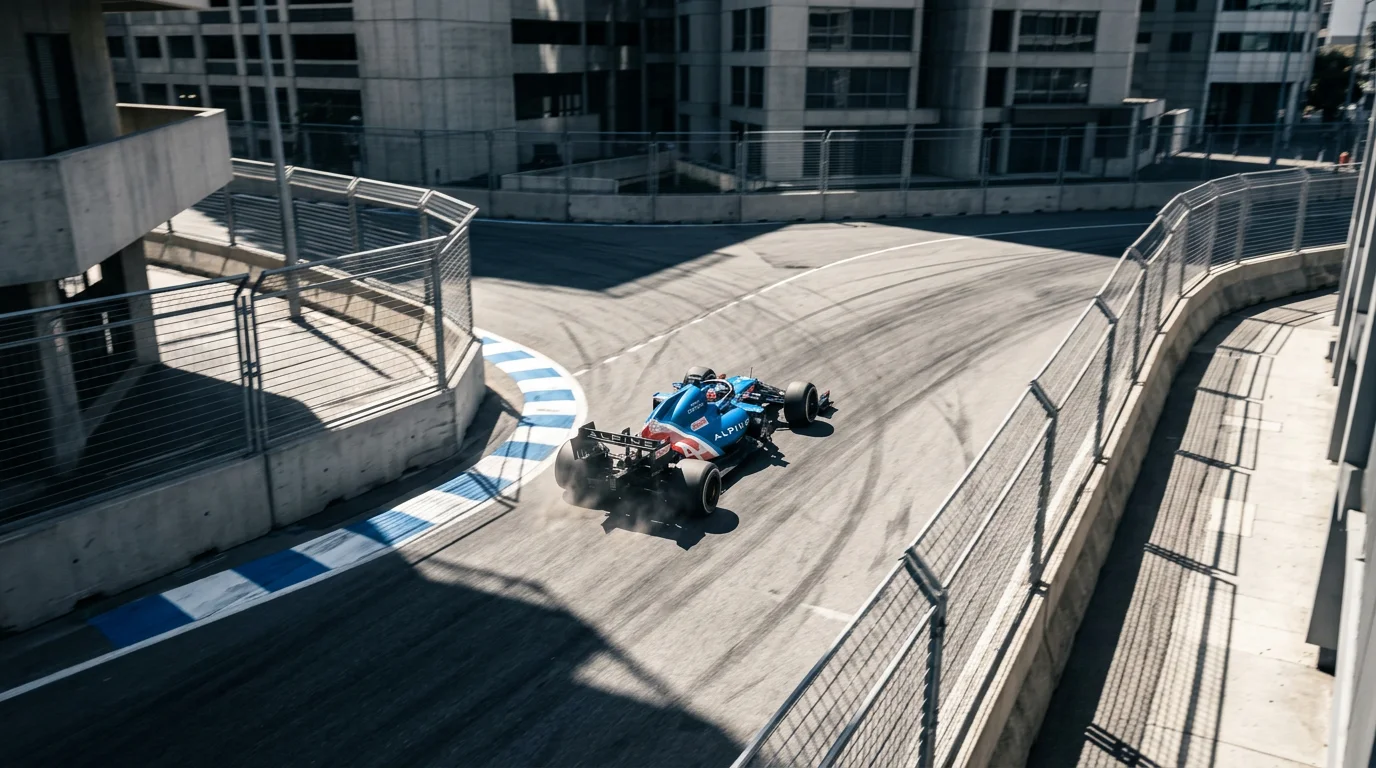
Pierre Gasly’s Monaco Grand Prix should have been a straightforward fairytale. He crossed the line third, only to be hit with two five-second penalties for allegedly exceeding the 60km/h pitlane speed limit. Suddenly. Gasly was dumped to seventh. Alpine erupted in fury, and the paddock was left scratching its collective head.
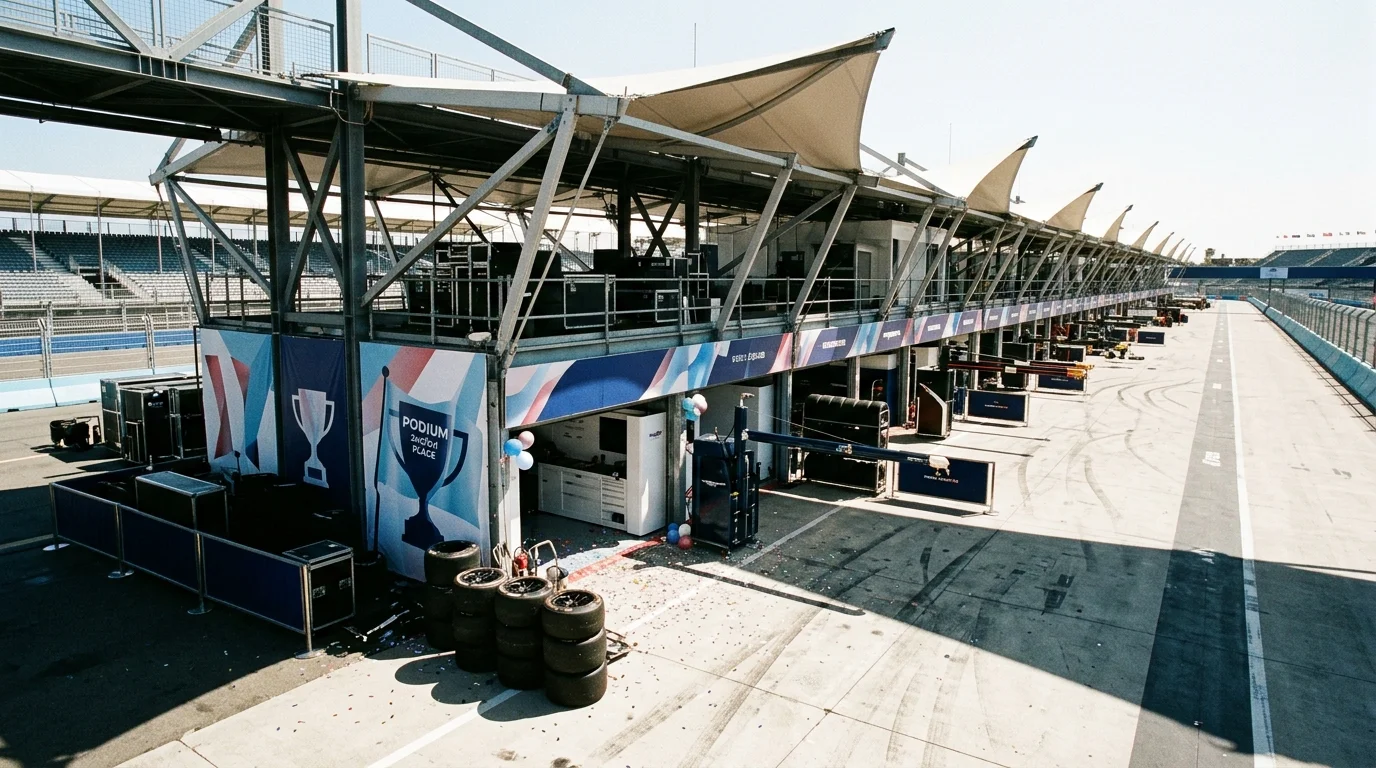
As so often happens, the stewards’ original decision collapsed under scrutiny. Alpine triggered a Right of Review, arriving armed with a dossier thicker than a Monaco tourist brochure. The FIA was forced to admit its timekeeping had malfunctioned in the most glamorous pitlane in motorsport. Not just Gasly, but four other drivers were wrongly penalised for speeding. The timing loops, supposedly unchanged from last year, gave false readings, thanks in part to a barrier at pit entry being moved. Monaco’s labyrinthine pitlane had struck again.
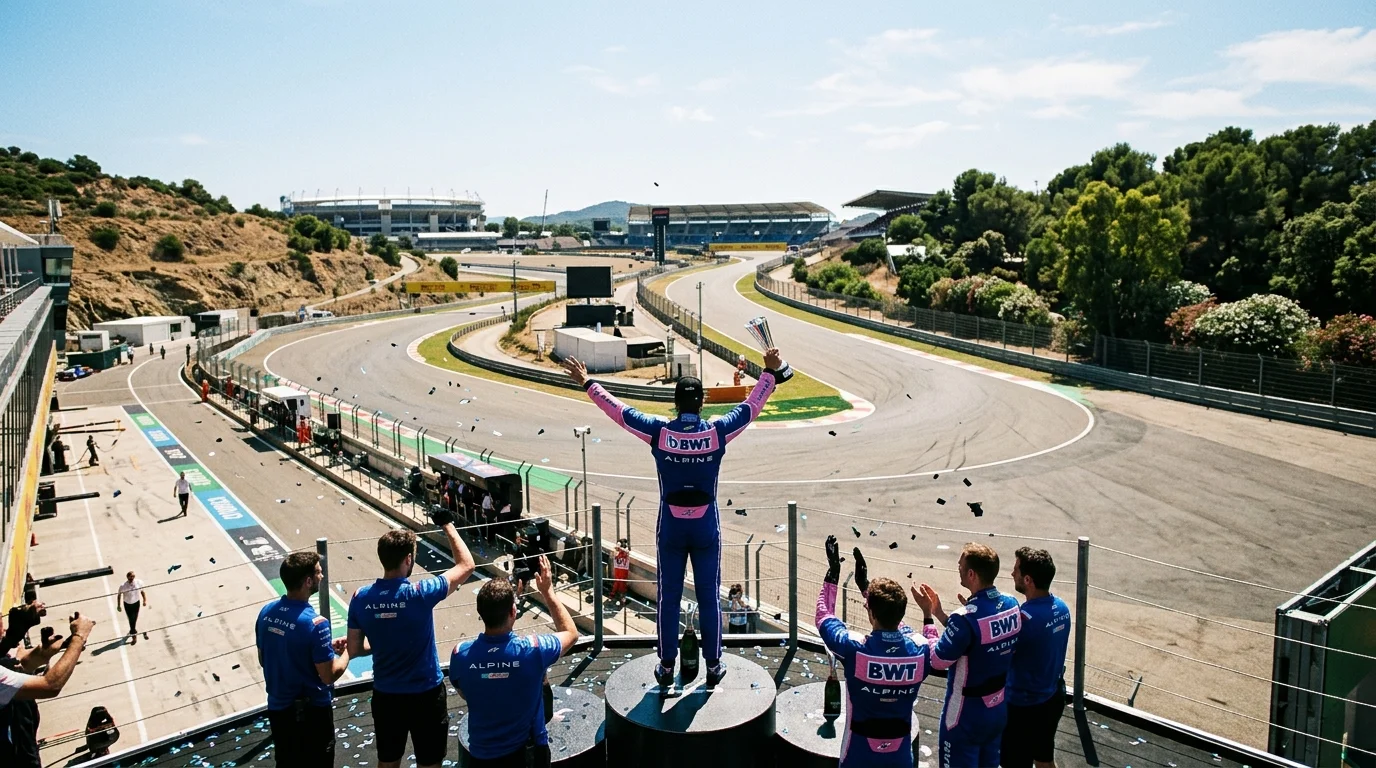
The FIA stewards’ report reads like a technical post-mortem on F1’s capacity for self-sabotage. Alpine presented everything: formal submissions, electronics meeting memos, a detailed chronology, telemetry from their own car, and even data from Mercedes and Ferrari. FOM, in charge of official timekeeping, had to concede the discrepancy was real. The stewards ultimately found “a significant and relevant new element” that justified binning both penalties. Gasly’s podium was restored. Alpine celebrated, and the FIA issued the usual pledges to “review procedures” so this never happens again.
But this isn’t a one-off. Every few seasons. F1’s technical infrastructure gets exposed, sometimes by freak weather, sometimes by human error, and sometimes by a misjudged piece of pitlane furniture. The sport’s leadership talks a big game about innovation and precision. When it comes to the basics, timing, safety cars, pitlane policing, it’s too often amateur hour. No wonder teams are furious. McLaren and Red Bull, sensing that the FIA’s U-turn cost them dearly, have reportedly filed intentions to appeal the verdict, eager to pick apart the process and claw back lost ground.
Formula 1’s management has been forced to admit that the tools they use to police races are not bulletproof. They’ve promised to implement “any improvements or refinements” to avoid a repeat of the Monaco debacle. That’s cold comfort for the teams and drivers whose results were shredded by a technical own goal. If F1 can’t guarantee the accuracy of pitlane timing in its most iconic venue, what hope is there for the rest of the calendar, especially as more circuits add quirks and local “innovations” in the relentless chase for spectacle and novelty?
There’s another angle. The evolution of F1’s regulatory and technical apparatus always lags behind the pace of the teams’ ingenuity. Teams spend millions chasing thousandths of a second, yet the sport’s own infrastructure can still be undone by a misplaced barrier or a miscalibrated loop. Fans and punters are left scratching their heads. The rise of in-race betting, real-time data overlays, and ever-slicker digital platforms for race analysis only sharpens the need for rock-solid accuracy and transparency. The Monaco fiasco has thrown that into question yet again.
Alpine, for their part, have been magnanimous in victory, publicly thanking the FIA and FOM for their transparency. That’s a diplomatic flourish. Make no mistake: this is a win for tenacity, not for the system. The real losers? The sport’s credibility, once again forced to defend the indefensible. As the dust settles, the only certainty is that Formula 1’s capacity for controversy and chaos remains undimmed.