

In the intense world of NHL hockey, headlines often spotlight the top scorers and star playmakers, but the real game-changers frequently lie deeper in the lineup. The bottom six forwards, often viewed as the unsung heroes, represent the beating heart of many teams, tilting the ice with gritty work, relentless energy, and crucial defensive plays. Their role transcends mere statistics, injecting momentum and defensive stability that can shift the balance of games. This article breaks down the enormous impact these players have, showing how their contributions tilt the ice and ultimately influence the NHL season’s narrative.
From the fierce battles in the corners to critical penalty kills, bottom six forwards deliver a brand of hockey that’s as essential as it is underappreciated. As fans tune in to broadcasts on Sportsnet, TSN, and ESPN or follow the deep analyses on The Hockey News and Bleacher Report, they might miss how pivotal these grinders are in shaping outcomes. This overview dives deep into their strategic importance, individual excellence, and what hockey’s analytical lens reveals about their influence. Get ready to understand the ice in a way few fans do, from the standpoint of perseverance, teamwork, and unyielding drive.
Key Takeaways of Bottom Six Impact in the NHL:
- Essential Depth: Bottom six forwards provide balance, energy, and defensive coverage that supports star players.
- Physical Presence: They engage in battles, forecheck aggressively, and wear down opponents with consistent hits.
- Defensive Specialists: Often responsible for penalty kills and matching up against opposing top lines.
- Offensive Contributions: While usually overshadowed by top-line scoring, bottom six players chip in with crucial goals and assists.
- Trends in Modern NHL: Versatility and speed are increasingly prized attributes for bottom six players, adapting to faster-paced play.
Unveiling the Role of Bottom Six Forwards in NHL Ice Tilt
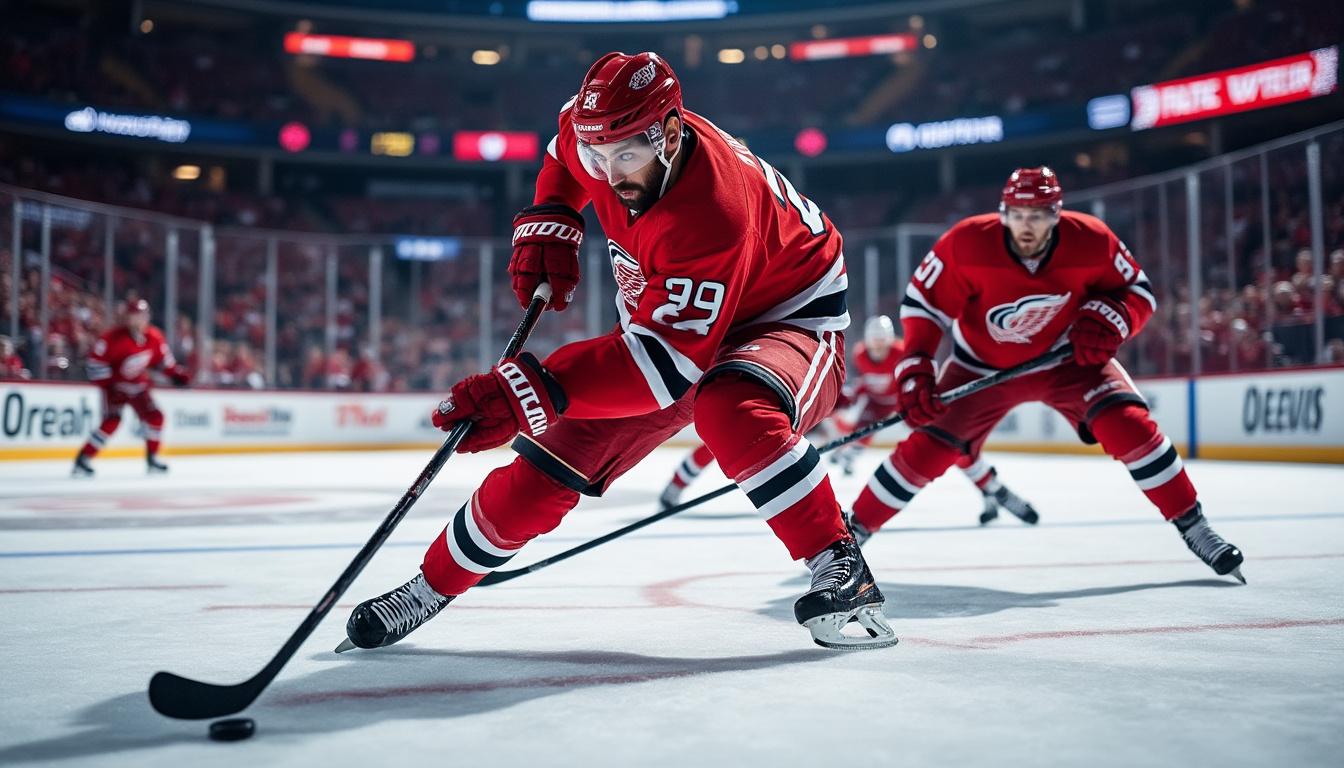
When you watch a fast-paced NHL game, it’s tempting to fixate on the flashy goals or skillful playmaking of your favorite superstars. Yet, the often-overlooked bottom six players tilt the ice in ways that don’t always register on the score sheet but drastically impact the game’s flow. The term “ice tilt” in hockey refers to which team controls play — controlling the puck, creating quality offensive chances, and territorial advantage. Bottom six forwards often spearhead the tough territorial battles along the boards and behind the net.
Ice tilt isn’t purely about scoring but about how much pressure a team applies and sustains against their opposition. Bottom six players excel in this by relentlessly chasing pucks, establishing puck possession in critical zones, and forechecking to disrupt the opponent’s breakout. These battles generate secondary scoring chances and set the stage for the top lines to shine.
For example, during their recent matchups analyses on Sportsnet and TSN, experts noted how bottom six units contributed to 40% of Washington Capitals’ offensive zone time during even-strength play. This puck control led directly to scoring opportunities, underscoring their role not just as defensive specialists but as catalysts for offensive momentum.
Key Functions in Ice Tilt by Bottom Six
- Board Battles and Puck Retrieval: Essential for maintaining possession and slowing the opposition’s transition.
- Penalty Killing Duties: Bottom six players typically face high-stakes moments killing penalties, crucial for momentum swings.
- Energy and Momentum Shifts: Spark the crowd and lineup with backchecking and physical engagement.
- Setting Up the Cycle: Enable controlled zone entries and sustained offensive pressure.
These functions underline how bottom six players tilt the ice beyond traditional scoring stats, influencing possession metrics like Corsi and Fenwick — advanced analytics often highlighted by Hockey Night in Canada and The Hockey News.
| Ice Tilt Element | Bottom Six Contribution | Impact on Game |
|---|---|---|
| Possession in Offensive Zone | High puck battles and retrieval | Increased scoring chances for top lines |
| Penalty Kill Efficiency | Strong shot-blocking and disruption | Maintains momentum, prevents goals |
| Physical Play and Energy | Hits, backchecks, and forechecking | Demoralizes opposition, energizes teammates |
Strategic Value of Bottom Six Players in Modern NHL Teams
In the landscape of the 2025 NHL season, bottom six forwards no longer only deliver grit and physical play — they embody a strategic depth crucial to team success. Managers and coaches work tirelessly to build well-rounded bottom six lines featuring players who are capable two-way forwards, penalty killers, and even occasional scorers who keep defenses honest.
Teams like the Washington Capitals and Tampa Bay Lightning exemplify how balanced line depth contributes to sustained success. Their success has been dissected across ESPN and NBC Sports analyses, emphasizing that a dynamic bottom six can absorb pressure, kill penalties effectively, and jumpstart offensive transitions — a blueprint now being followed league-wide.
How Bottom Six Elevate Team Strategy
- Line Matching: Coaches rely on their bottom six to neutralize opposing top lines, a chess game highlighted during Hockey Night in Canada broadcasts.
- Enhanced Penalty Kill: Trusted penalty killers in bottom six units aim to minimize power play threats and change game momentum.
- Depth Scoring: Unexpected goals by bottom six players often turn the tide in close contests.
- Faceoff Success: Key faceoff wins by bottom six centers enable critical puck possession.
On a practical level, the versatility and commitment of bottom six forwards afford coaching staffs flexibility in tactical moments, allowing them to exploit matchups and maintain fresh legs across the roster. Their blend of physicality, intelligence, and skill helps teams sustain a high tempo into the late periods.
| Strategic Aspect | Bottom Six Role | Examples from 2025 Teams |
|---|---|---|
| Neutralizing Opposition | Matchup-focused defensive assignments | Washington Capitals’ bottom six defensive shutdown roles |
| PK Unit Core | Shot block, lane disruption | Tampa Bay Lightning penalty kill specialists in bottom six |
| Energy Injection | Read attacks, momentum shifts | Brandon Tanev’s forechecking and relentless skating |
The Hidden Heroes: Top Bottom Six Players Shaping the 2025 NHL
Specific talents in the bottom six have gained increasing recognition for how their perseverance and dynamic play tilt ice in favor of their teams. These players exemplify the modern bottom six role — combining physicality, energy, leadership, and surprisingly effective offensive contributions.
Noteworthy among these are Barclay Goodrow, whose leadership and physical style anchor San Jose’s third line; Brandon Tanev, a speed demon known for suffocating opponents while energizing the crowd; and Casey Cizikas, one of the best in the league at crucial faceoffs and penalty kills. Marcus Foligno and Andrew Copp round out a list of players who each bring a multidimensional game, proving the bottom six’s impact extends beyond just checking boxes.
Attributes That Define Top Bottom Six Players
- Physicality: Leading hit counts to disrupt opposition flow.
- Versatility: Ability to play multiple positions and special teams roles.
- Leadership: Vocal presence and locker room influence.
- Offensive Upside: Timely goals and creating scoring chances.
| Player | Team | Key Strength | 2025 Contribution |
|---|---|---|---|
| Barclay Goodrow | San Jose Sharks | Physical Presence & Leadership | Consistent puck battles, locker room glue |
| Brandon Tanev | Pittsburgh Penguins | Speed & Penalty Kill | High energy forechecking, penalty kill minutes leader |
| Casey Cizikas | New York Islanders | Faceoff Specialist & Clutch Scoring | Key goals, dominant defensive zone faceoffs |
| Marcus Foligno | Minnesota Wild | Bruiser & Secondary Scorer | Hard hits, alt. captain, clutch goals |
| Andrew Copp | Winnipeg Jets | Two-Way Forward & Leadership | Versatile deployment, reliable scoring and defense |
How Bottom Six Hockey Shapes Game Outcomes and Season Success
Winning in the NHL is no longer about the glory of stars alone. The unrelenting effort and consistency of the bottom six can often redefine a game’s trajectory. Many games hinge on subtle shifts — a key blocked shot, an aggressive forecheck leading to a rebound, or a critical penalty kill preventing momentum swings. TSN and NBC Sports regularly highlight these moments, noting how bottom six players tilt ice and influence results.
Teams that build strong depth among their bottom six forwards enjoy fewer scoring lapses and more balanced defensive efforts, often leading to better regular-season standings and playoff performances. Their ability to provide energy sparks when top lines are resting and to match up effectively in defensive zones makes them indispensable.
Bottom Six Impact on Game Results
- Energy and Physicality: Sustain pressure through hits and relentless skating.
- Defensive Stability: Kill penalties and neutralize opponent’s stars.
- Occasional Scoring: Timely goals swing momentum and outcomes.
- Versatility: Adapt to multiple roles on both ends of the ice.
| Game Element | Bottom Six Contribution | Effect on Season |
|---|---|---|
| Penalty Kill | High block rate, smart positioning | Prevents momentum shifts, crucial in tight games |
| Forechecking | Creates turnovers leading to scoring chances | Overloads opponents physically and mentally |
| Defensive Zone Coverage | Matches up with top opponents, blocks shots | Reduces goals against, stabilizing defense |
Moreover, the excitement and emotional lift these players generate cannot be overstated. As fans watching on Hockey Night in Canada and following analysis from The Athletic know, the energy injected by bottom six performances often catalyzes heroic comebacks and game-winning bursts.
Emerging Trends Shaping the Future of Bottom Six Hockey
The NHL’s evolution continues to redefine player roles, and the bottom six forwards are no exception. Teams now seek players who combine physical toughness with speed, hockey IQ, and skill. Gone are the days when bottom six meant purely defensive grinders. Instead, these players must now skate fast, read plays, and contribute offensively to keep up with today’s rapid gameplay.
Increasingly, analytics tools used by NHL teams and showcased on platforms such as ESPN and Yahoo Sports aid in identifying bottom six players who excel in possession, shot suppression, and transition play. Versatile bottom six forwards who can adapt to different roles are highly coveted, a trend enhancing team depth and playoff resilience.
Key Trends in Bottom Six Hockey
- Heightened Versatility: Ability to shift between center and wing positions, special teams roles.
- Focus on Speed and Skill: Skating ability prioritized to match fast opponents and transition quickly.
- Advanced Analytics Integration: Emphasis on possession stats, shot suppression, and defensive impact metrics.
- Player Development: Younger players groomed early to adopt these dynamic roles.
| Trend | Description | Impact |
|---|---|---|
| Versatility | Multi-positional skills and roles | Coaches gain lineup flexibility and tactical options |
| Speed & Skill | Accelerated skating and puck handling | Keeps pace with evolving NHL offense |
| Analytics Focus | Using data for player evaluation and deployment | Optimizes ice time and matchups |
| Development Strategies | Investment in youth training for bottom six roles | Ensures future depth and adaptive teams |
To explore more in depth, readers can click here for a detailed look at how specific players fit within these evolving bottom six dynamics, combining grit and skill to tilt the ice effectively.
What is the bottom six in NHL terms?
The bottom six refers to the group of forwards playing on the third and fourth lines of an NHL team. They are usually tasked with defensive duties, physical play, penalty killing, and providing energy to support the top offensive lines.
Why are bottom six players so important in hockey?
Bottom six players bring essential balance, depth, and defensive responsibility to a team. They often take on challenging defensive assignments and contribute energy and momentum that helps their team maintain control during games.
Can bottom six players contribute offensively?
Yes, while their primary role is often defense and physicality, many bottom six forwards also contribute offensively with timely goals, assists, and by creating scoring chances through hard work and smart positioning.
How do teams classify top six and bottom six forwards?
Teams often classify forwards based on ice time and role, with top six playing the bulk of offensive minutes and bottom six covering energy, checking, and penalty-killing duties. Advanced analytics like Corsi percentages also help evaluate these groupings’ impact.
What trends are shaping the future of bottom six hockey?
The future favors versatile, skilled, and fast bottom six forwards who can adapt to multiple roles, with teams increasingly leveraging analytics to identify and deploy players who excel in possession, defense, and transition play.