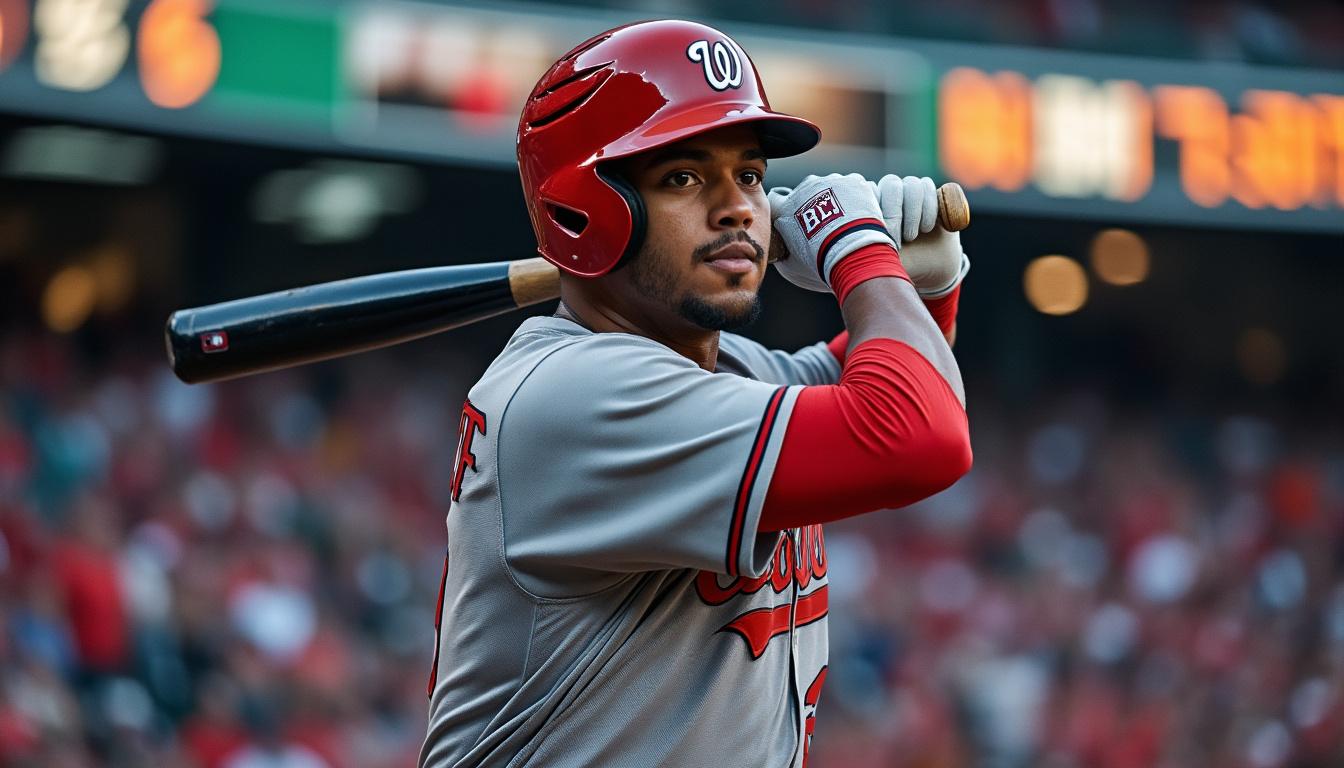
As the 2025 World Series trophy still gleams in the Los Angeles Dodgers’ hands, the MLB free agency period in late November 2025 is proving to be a whirlwind of strategic moves and ambitious signings. While this year’s crop lacks the seismic shake-ups inspired by generational talents like Aaron Judge or Juan Soto, the sheer depth of the market offers teams a wealth of opportunity to reshape rosters ahead of the 2026 MLB season. The player signings and contract deals so far have sent ripples through fan bases and front offices alike, with team acquisitions reflecting sharp strategic pivots designed to balance pitching rotations, bolster offense, and exploit emerging talents.
Teams are making critical roster changes as they prepare for the long haul of the 2026 season, weighing past performances against future potential and financial flexibility. The impact analysis of these moves reveals not just how each team plans to contend, but also the larger chessboard of MLB’s offseason landscape. With qualifying offers accepted by four players, including Brandon Woodruff and Gleyber Torres, and notable free agents like Kyle Tucker and Alex Bregman still seeking new homes, the early phases of free agency are electrifying the baseball world with possibilities and intrigue.
- Kyle Tucker stands out as the marquee player still available, promising potent offensive skills and solid versatility at 29 years old.
- Alex Bregman remains a key figure to watch, his 128 OPS+ signaling a rebound from a slow start to last season.
- Four players accepted qualifying offers, shaking up their respective team strategies for 2026.
- Primary pitching targets like Framber Valdez, Ranger Suárez, and Dylan Cease could redefine several rotations.
With every decision made this November, from option deadlines to free-agent negotiations, the trajectory of the 2026 season is increasingly taking shape. Fans, analysts, and teams are all locked in, tracking every twist of the MLB free agency rollercoaster as the offseason heats to a crescendo.
Tracking the Biggest MLB Free Agent Signings and Contract Deals in November 2025
The latest wave of MLB free agency moves by late November 2025 has been a showcase of calculated risks and strategic acquisitions. There’s a delicate balance between locking down proven stars and gambling on potential upside — and teams are walking that tightrope adeptly. The season’s pace has been influenced strongly by qualifying offer decisions, which have affected the value and availability landscape for numerous players.
For instance, Josh Naylor’s five-year, $92.5 million deal re-signing with the Seattle Mariners marks the first major free agency pact of this offseason, signaling Seattle’s intent to maintain offensive stability. Meanwhile, other teams are keeping their options open, maneuvering quickly to secure impact pitchers and position players who can recalibrate both offense and defense for 2026.
In surroundings where the losing World Series contenders seek to reload and winners aim to reinforce depth, several moves have already altered market dynamics. Brandon Woodruff’s acceptance of a qualifying offer with the Brewers highlights a front-office strategy focusing on continuity in pitching staff, while the New York Yankees’ move to retain Trent Grisham adds an extra layer to their outfield setup.
- Key signings completed: Josh Naylor’s Mariners contract, others pending.
- Teams prioritizing pitching stability: Brewers, Cubs, and Tigers with qualifying offers retained.
- Players still on the market with significant upside: Kyle Tucker’s left a buzz for teams scouting offensive firepower.
- Roster shuffles forced by 40-man roster and option deadlines: Organizations engaged in delicate trades and waiver moves.
| Player | Position | Age (2026 season) | Contract Details | Team | Status |
|---|---|---|---|---|---|
| Josh Naylor | OF/DH | 29 | 5 years, $92.5M | Seattle Mariners | Signed |
| Brandon Woodruff | SP | 31 | Qualifying Offer $22.025M | Milwaukee Brewers | Accepted QO |
| Gleyber Torres | 2B | 29 | Qualifying Offer $22.025M | Detroit Tigers | Accepted QO |
| Trent Grisham | OF | 29 | Qualifying Offer $22.025M | New York Yankees | Accepted QO |
| Shota Imanaga | SP | 34 | Qualifying Offer $22.025M | Chicago Cubs | Accepted QO |
These contract deals and the ongoing negotiations reveal how teams are carefully assembling rosters to either make immediate championship pushes or lay groundwork for sustained success. The intricacies of MLB free agency in November 2025, with its mix of major player signings and smaller but impactful roster moves, have set the tone for an electric preseason landscape that fans will want to monitor closely via sources like the MLB Hot Stove Tracker.

The Strategic Impact of Key Free Agents on the 2026 MLB Season Outlook
The ripple effect of late November 2025’s biggest moves extends beyond just individual player statistics — it’s reshaping entire team strategies heading into the 2026 MLB season. For example, securing a middle-of-the-rotation starter like Framber Valdez can add consistency and depth to rotations that struggled in pitching durability during the 2025 campaign.
Teams are analyzing how signings such as Valdez, Dylan Cease, and Ranger Suárez can be the foundation of an effective staff that can weather injuries and sustain late-season runs. The presence of such high-caliber arms also frees up front offices to take bolder bets in other roster areas such as the bullpen or lineup additions. It’s a domino effect where one savvy acquisition opens doors to multiple strategic moves.
Offensively, the potential addition of Kyle Tucker, a powerful and dynamic bat with All-Star pedigree, could dramatically alter team run production and lineup construction. While his performance dipped late last season, his overall skill set and youth make him a highly attractive asset. Alex Bregman’s strong offensive season (128 OPS+) suggests he still offers an elite bat capable of driving consistent value, especially for teams that value on-base percentage highly in their team strategy.
- Rotation reinforcement through signings of Valdez, Cease, and Suárez.
- Lineup potency bolstered by pursuing stars like Tucker and Bregman.
- Roster flexibility improved thanks to front offices leveraging qualifying offer outcomes.
- Enhanced bullpen options via reallocating resources freed up by solid starting pitching additions.
| Player | Role | 2025 WAR | Potential 2026 Impact | Teams Interested |
|---|---|---|---|---|
| Kyle Tucker | OF | 4.3 | Elite run producer, lineup catalyst | Multiple contending teams |
| Alex Bregman | 3B/SS | 3.7 | High on-base value, middle-infield stability | Teams needing offensive spark |
| Framber Valdez | SP | 4.5 | Reliable rotation anchor | Teams rebuilding pitching depth |
| Dylan Cease | SP | 3.9 | Power arm, strikeout upside | Wildcard for contending lineups |
| Ranger Suárez | SP/RP | 3.1 | Pitching versatility, innings eater | Teams valuing roster flexibility |
This phase of MLB free agency is proving critical for teams to set their team strategy not only for immediate returns but also for sustainable success. Readers tracking the evolving market should keep an eye on specialized analyses and rumors of late-breaking negotiations on platforms like the MLB offseason rumors and stars.
Roster Changes and 40-Man Roster Housekeeping Affecting MLB Free Agency Moves
Navigating the challenges of roster management is often as pivotal as the marquee signings themselves during MLB free agency. With the expiration of the 60-day injured list status during the offseason, teams are forced to make tough choices to activate players and trim their 40-man rosters by late November 2025. This process has triggered several roster moves that ripple through the market.
Teams balancing between promoting minor league prospects, protecting young talent from the Rule 5 Draft, and making room for new signings must execute precise roster maneuvering. The waiver decisions send players across the league, sometimes resulting in surprising swaps or opportunities for hungry teams to grab undervalued assets. A great example is the Tampa Bay Rays, who have already engaged in trades, acquiring outfielder Ryan Vilade from the Reds and sending pitcher Joey Gerber to the Mets to clear space.
- Roster trimming to meet 40-man limits enforcing strategic player activation and waiver exposure.
- Waiver claims and trades providing under-the-radar team improvements.
- Balancing prospect protection against acquiring proven talent.
- Front offices managing contract flexibility through option deadlines and qualifying offer impacts.
| Team | Key Roster Move | Reason | Impact |
|---|---|---|---|
| Tampa Bay Rays | Acquired Ryan Vilade, traded Joey Gerber | 40-man roster space management | Flexibility to pursue free agents |
| Los Angeles Dodgers | Activated all 60-day IL players, trimmed roster | Rule 5 Draft protection | Maintains championship contender depth |
| New York Mets | Claimed Joey Gerber | Filling bullpen gaps | Improved bullpen depth |
These behind-the-scenes roster changes are an indispensable part of the MLB offseason saga, as much as any blockbuster signing. Dedicated followers of the season’s prelude can find comprehensive updates on these moves and their implications through resources like the MLB offseason moves November 18 analysis.
Emerging Trends and Team Strategy Insights from Late November MLB Free Agency
The late November 2025 free agency period is revealing nuanced trends with profound consequences for the upcoming year. Teams appear to be chasing balance, emphasizing a blend of veteran presence and young, cost-controlled talent. The pattern of qualifying offer acceptances — uncommon in previous years — indicates a desire for stability amid uncertain market conditions. Meanwhile, clubs are trading cautiously, preferring to lock in reliable contributors rather than undertaking high-risk gambles on unproven stars.
Another marked trend is the growing emphasis on pitching depth, demonstrated by multiple teams securing mid-rotation starters or swingmen pitching staff. This move reflects lessons learned from the 2025 MLB season about the importance of durability and innings management, particularly as bullpens remain heavily taxed during playoff stretches.
- Preference for veteran stability through qualifying offers.
- Focus on pitching depth over splashy marquee deals.
- Teams employing smaller, targeted trades to complement free agent signings.
- Youthful upside balanced with team chemistry considerations.
| Trend | Explanation | Potential Consequence for 2026 |
|---|---|---|
| Qualifying Offer Acceptance | Four players accepted QOs to remain with current clubs | More roster stability, fewer dramatic market shocks |
| Pitching Depth Focus | Teams favor durable starters and swingmen over one-dimensional stars | Improved rotation reliability and bullpen flexibility |
| Measured Trade Activity | Small trades complementing signings and roster needs | Smoother integration of new players into clubs |
Understanding these trends provides valuable context for fans and analysts trying to decode what the offseason movements truly indicate about team goals and the competitive balance in MLB. Keeping tabs on forward-looking analyses and hot stove chatter, such as updates found at November 23 sports outlook, ensures that followers stay ahead of the curve in an ever-evolving baseball landscape.
Key Player Profiles: Who’s Leading the MLB Free Agency Charge and Why They Matter for 2026
As the free agency period unfolds, certain players stand out not just for their skill, but for the narratives and strategic importance they bring to the table. Kyle Tucker, a dynamic outfielder and four-time All-Star, remains the top prize. Despite a middling second half in 2025, his ability to impact across the board — runs, power, defense — makes him a coveted commodity for any contender or rebuilding squad with sufficient payroll space.
Alex Bregman, known for his clutch hitting and polished infield versatility, rounds out the upper echelon of available talent. His recent performances underscore a return to form, making him a dual-threat weapon who can anchor a lineup while mentoring younger teammates.
On the pitching front, names like Framber Valdez, Dylan Cease, and Ranger Suárez shine as frontline arms with varying degrees of ceiling and floor, appealing to teams seeking to add reliable innings or high-upside strikeout pitchers to revamp their pitching staffs.
- Kyle Tucker: Offensive catalyst with multi-positional flexibility.
- Alex Bregman: Veteran bat delivering value in high leverage situations.
- Framber Valdez: Durable left-handed starter, anchoring rotations.
- Dylan Cease: Power pitcher with swing-and-miss potential.
- Ranger Suárez: Versatile innings eater in rotation or bullpen.
| Player | Strength | 2025 Highlights | Why Valued for 2026 |
|---|---|---|---|
| Kyle Tucker | Batting & baserunning | 4.3 WAR, four-time All-Star | Combination of power, speed, and defense at 29 |
| Alex Bregman | Plate discipline & clutch hitting | 128 OPS+, strong comeback season | Reliable run producer and veteran presence |
| Framber Valdez | Consistency & durability | 4.5 WAR, ace-level innings | Strong rotation anchor potential |
| Dylan Cease | Strikeouts & power | 3.9 WAR, dominant K rates | High ceiling in top rotations |
| Ranger Suárez | Versatility & endurance | 3.1 WAR, effective multi-role usage | Valuable bullpen/rotation swing option |
Keeping close track of these players’ free agency trajectories offers insight into not just who might land where, but how their moves are poised to shake up competitive odds in 2026. Fans eager for early signs of a team’s ambitions will want to monitor speculation and confirmed contracts via dedicated platforms like the MLB free agency targets list.
What is the significance of qualifying offers in MLB free agency?
Qualifying offers are one-year contracts that teams offer to pending free agents to retain negotiation leverage and receive draft pick compensation if the offer is declined. This affects player market value and team strategy.
How do roster moves during the offseason affect MLB free agency?
Roster moves, such as clearing space on the 40-man roster and activating players from the 60-day IL, influence team flexibility to sign free agents or promote prospects. These procedural steps are critical in shaping offseason construction.
Why is pitching depth a major focus for MLB teams in the 2026 season?
The demands of a long season and injury risks have pushed teams to prioritize durable, versatile pitching staffs to sustain performance throughout the campaign, making reliable starters and swingmen highly sought after in free agency.
Who are the most impactful free agents still available as of late November 2025?
Kyle Tucker, Alex Bregman, Framber Valdez, Dylan Cease, and Ranger Suárez stand out as the top-tier free agents with significant potential to influence team success in 2026.
What resources can fans use to track MLB free agency moves and rumors?
Fans can follow detailed and up-to-date coverage through platforms such as the MLB Hot Stove Tracker, news updates, pre-season outlooks, and trade rumor reports to stay informed about signings, trades, and strategic shifts.