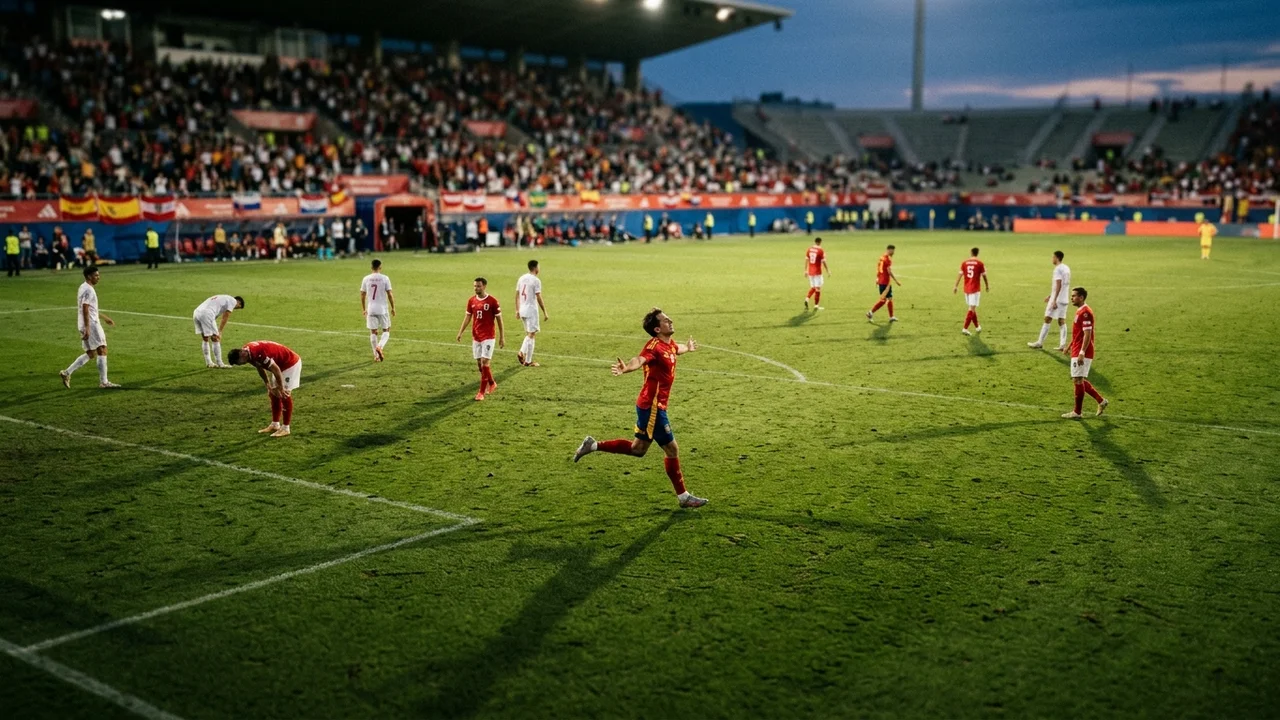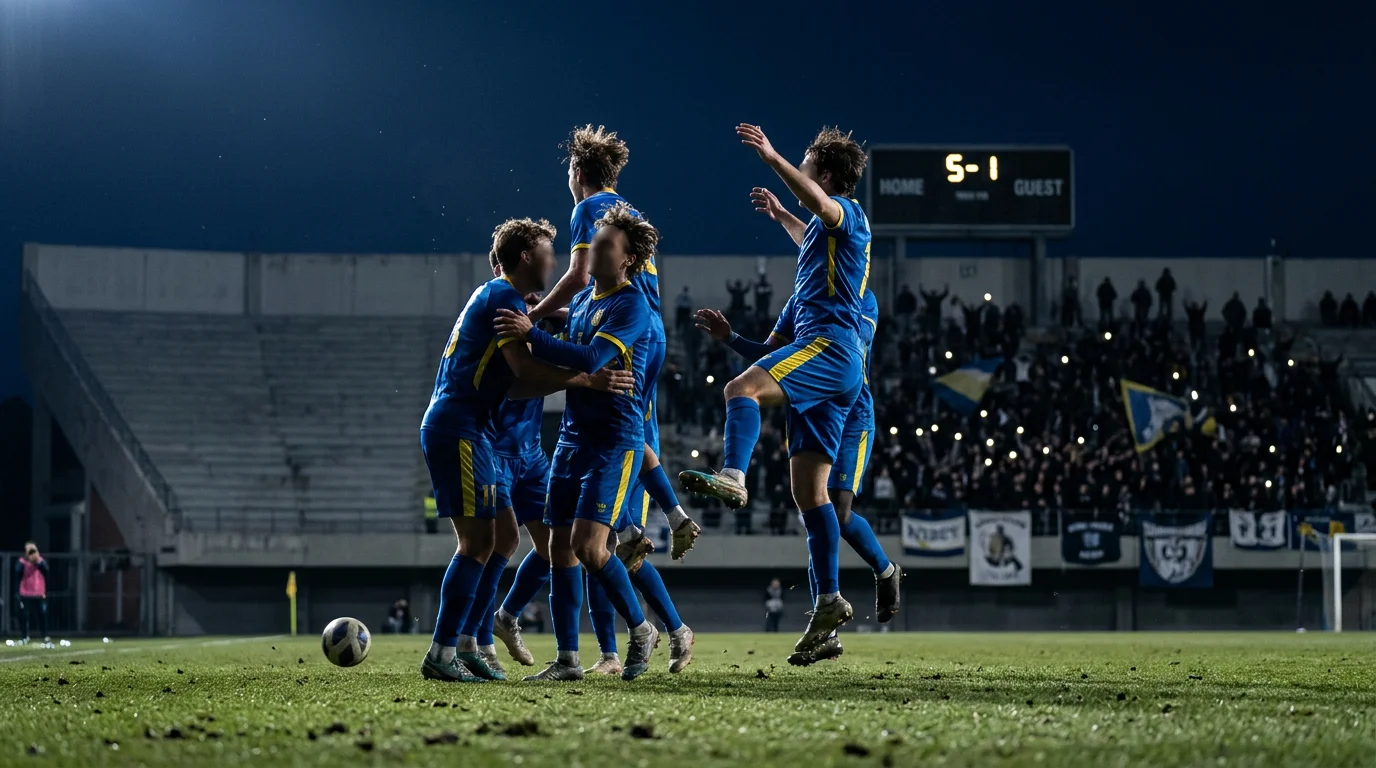
Sweden launched their World Cup campaign with a thunderous 5-1 victory over Tunisia, a night that pulsed with redemption and renewal.
Doubts swirled before kickoff. Few expected this Sweden to dazzle. They had limped into the tournament, battered by injuries and scarred by a qualifying campaign so dire it cost their previous coach his job. Yet under Graham Potter, the mild-mannered Englishman now hailed as a savior. Sweden arrived in Monterrey transformed and ravenous.
Potter, sporting a mysterious ear injury as he spoke after the match, captured the mood succinctly. “Great night, great start,” he said, blood trickling unnoticed. “It was a solid team performance that allowed Alex [Isak] and Viktor to show their quality. They haven’t played that much together and they’ve had to work in training and in bits, and they needed a team to function behind them.”
Under the heavy, humid sky of the Sierra Madre. Sweden did more than function. They flourished. The long-awaited partnership of Alexander Isak and Viktor Gyokeres finally delivered. Both strikers found the net, leading an attacking display that left Tunisia in tatters.
This was more than a statistical demolition. Sweden’s newfound unity and attacking intent were on full display, every goal a marker of a team rediscovering its identity. Isak and Gyokeres, whose chemistry had previously been more promise than product, combined to devastating effect. Their movement and understanding rattled Tunisia from the opening whistle.
Ayari’s Moment and Tunisia’s Collapse: Turning Points Define the Night

Yasin Ayari seized his chance as well. Emerging from midfield, he struck twice. His first goal, a blur of movement and precision, set the tone for a Swedish side playing with a freedom and belief not seen since their glory days. Ayari, once on the fringes, suddenly became the heartbeat of the team.
Tunisia, meanwhile, unraveled in front of their stunned supporters. Instability has plagued their campaign, with a revolving door of coaches in recent months. That chaos spilled onto the pitch. Defensive lapses gifted Sweden chance after chance, and the North Africans, having changed managers multiple times since qualifying, looked lost and brittle.
As the goals piled up, the crowd’s mood swung between disbelief and celebration. Even the mandatory hydration breaks, usually a footnote, drew boos from restless fans. Frustration in the stands quickly gave way to euphoria as Sweden’s onslaught continued, each goal met with a roar.
Potter’s journey to this point has been anything but straightforward. Cast off by English clubs, he arrived in Sweden with little fanfare and a battered reputation. Nine months later, he stands as the architect of one of the most dramatic national team turnarounds in recent memory. His decision to trust the partnership of Isak and Gyokeres, to build a team around their strengths, has paid off spectacularly.
For those curious about how football’s drama echoes in other high-stakes arenas, some fans compare odds and narratives from other competitions, such as the 2026 LEC League of Legends esports, where underdogs and favorites collide with similar unpredictability.
Potter’s night carried its own oddities. The Sweden boss finished the match with a bleeding ear, an injury he couldn’t explain. Even as he wiped away the blood, his focus remained on the collective. “They haven’t played that much together,” he said of his front two, “and they needed a team to function behind them.” Unity, not just individual brilliance, powered Sweden’s triumph.
The final whistle brought jubilation. Sweden, dismissed after a miserable qualifying run, have announced themselves as a force reborn. For Potter and his players, the journey is just beginning.