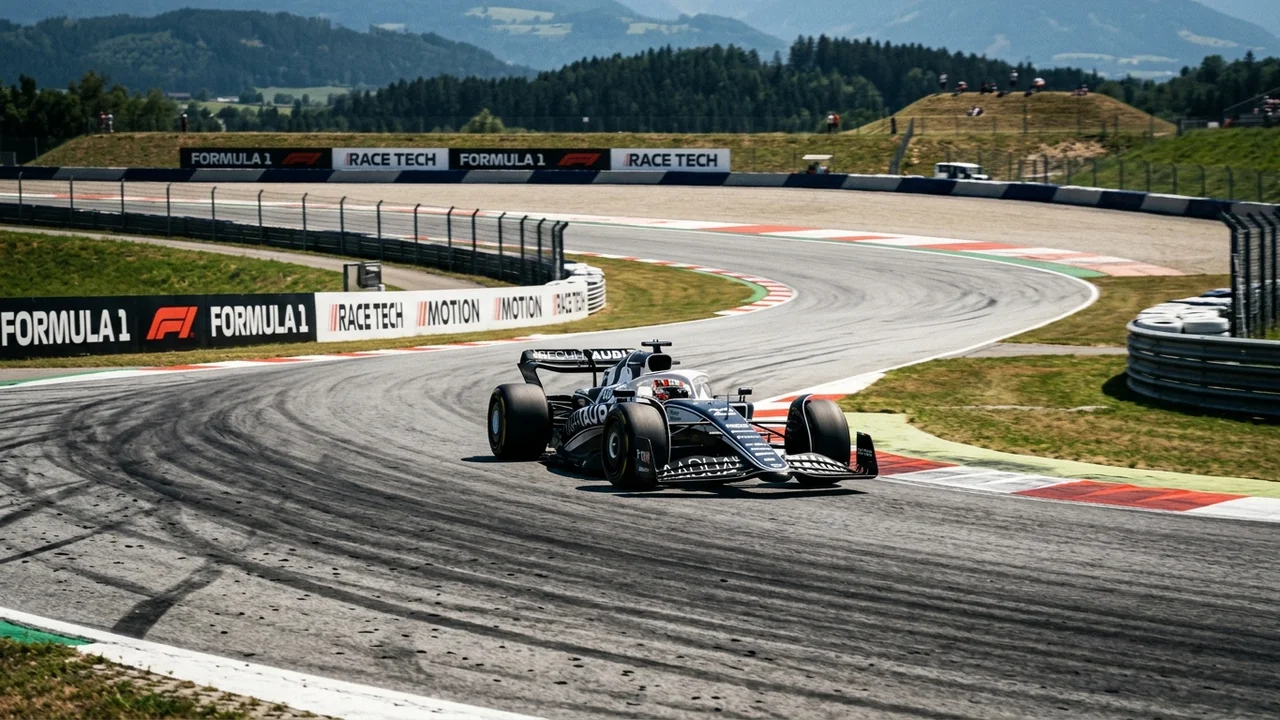
Lewis Hamilton finds himself in the headlines again, but this time the story isn’t about his late-career resurgence or Ferrari’s long-awaited revival. Instead, a regulatory storm threatens to overshadow his return to form. The seven-time world champion heads to the Austrian Grand Prix facing a stark dilemma: comply with the FIA’s newly enforced heat hazard protocols or risk sacrificing performance in punishing conditions.
Heatwave Protocols and Hamilton’s Critical Choice
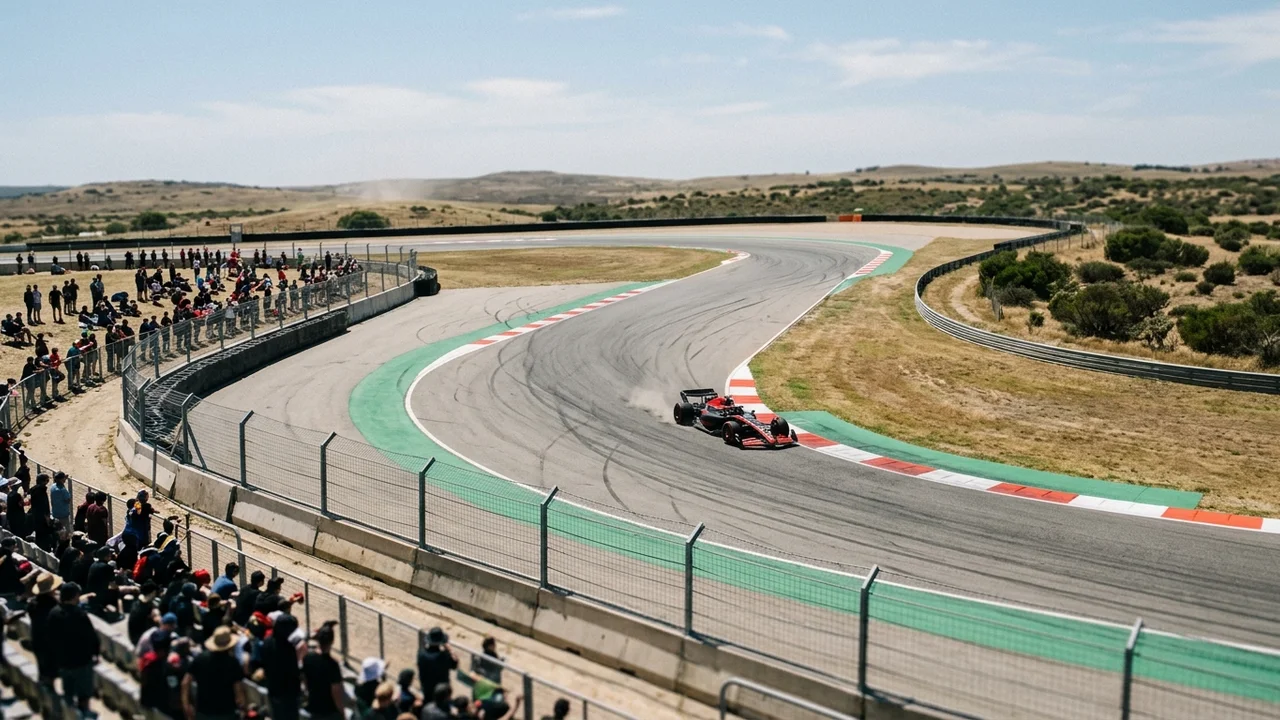
Hamilton’s triumphant return to the top step in Barcelona should have set the stage for a celebratory weekend in Spielberg. Instead, he and his rivals are being forced into decisions that could shape the outcome as much as any technical upgrade or strategy tweak. With temperatures expected to hit 33C for the 71-lap contest, the FIA has triggered its heat hazard protocol for the first time this season. The rule, activated when ambient temperatures are forecast to exceed 31C during track sessions, leaves drivers with a tough choice: wear a liquid-cooled vest under their fireproof layers or carry 5kg of ballast in the car.
For Hamilton, there’s no easy answer. The cooling kit, designed to offset the risk of cockpit temperatures soaring above 40C, remains optional after drivers pushed back on attempts to make it mandatory. Discomfort and reliability issues have fueled skepticism. Hamilton and others have questioned the vests’ effectiveness, pointing out that the coolant can run out before the race ends, leaving the driver with a vest as hot as the car itself.
Competitive implications are immediate. Any driver unwilling to use the vest must accept the penalty of added weight, a move that could undermine qualifying pace and race strategy, especially on a circuit like the Red Bull Ring where every tenth of a second matters. It’s a forced choice between physical risk and competitive disadvantage, made all the sharper for a driver who has just clawed his way back into the title fight.
The FIA’s position is unambiguous. “In accordance with Article B1.5.10 of the FIA F1 Regulations, having received a forecast from the official weather service predicting that the heat index will be greater than 31.0°C at some time during the race at this competition, a Heat Hazard is declared.” The protocol, first seen last year at Singapore and the US Grand Prix, is meant to safeguard drivers. Yet Hamilton’s current predicament exposes the tension between safety and fairness, especially when the solution itself is so divisive within the paddock.
Spectators aren’t immune to the debate. Some have drawn comparisons to other summer motorsport events, questioning whether organizers are doing enough for fan safety or simply shifting the burden to competitors. The Food City 500 NASCAR race comes to mind, where both fans and drivers have battled similar heatwave conditions, sparking debates about event management and even water pricing, as highlighted in discussions about betting incentives tied to race weather.
Hamilton’s Form: Momentum Versus Adversity
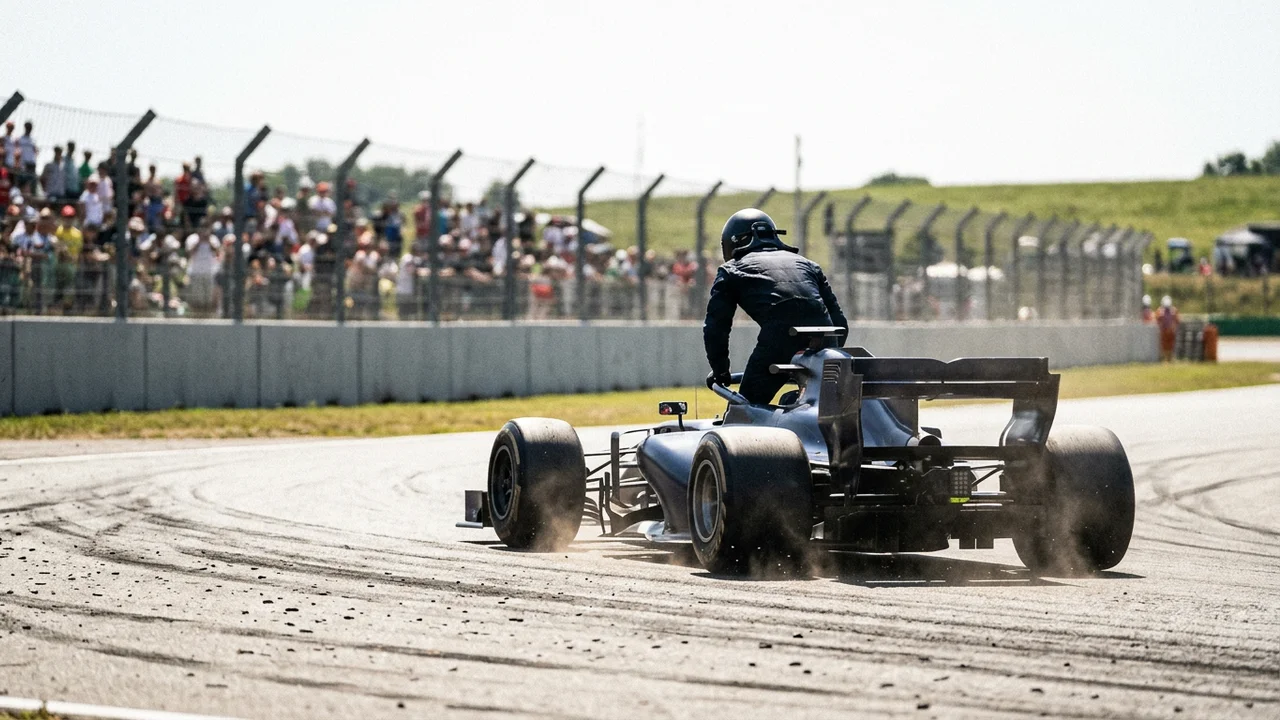
This weekend’s technical and physiological challenge arrives at a pivotal moment for Hamilton. After a dismal 2025, he’s pieced together his strongest run of results since joining Ferrari: second-place finishes in Canada and Monaco, then a long-awaited victory in Barcelona. Suddenly, the championship is wide open. Hamilton sits second in the standings, 41 points behind Mercedes’ Kimi Antonelli, whose own campaign is faltering due to reliability woes.
Doubts about his form have lingered for months, with Hamilton himself wondering aloud if his best days were behind him. Now, the heat hazard protocol introduces a new layer of uncertainty, one that can’t be solved by raw pace or tactical brilliance. Pressure mounts, especially with Mercedes’ persistent power unit issues still unresolved, giving Ferrari and Hamilton a rare window of opportunity.
But the immediate concern isn’t just the title race. It’s his own physical endurance. Cockpit temperatures well above 40C, fireproof clothing layered on top, and a cooling system that might fail before the chequered flag: these are the conditions he faces. The FIA’s compromise, make the vests optional, but penalize those who refuse, puts the burden of risk management squarely on the drivers.
Hamilton’s situation raises a broader question about where responsibility for safety truly lies. Should drivers be left to balance comfort, risk, and performance? Or should the governing body take a firmer hand, rather than crafting protocols that seem designed as much for regulatory optics as for genuine protection?
The Austrian Grand Prix will force Hamilton to make a decision with real consequences for both his safety and his shot at the title. As the heatwave settles in and the paddock sizzles, all eyes remain on a champion forced to weigh the cost of compliance against the risk of falling behind.