Silverstone is under a sharper commercial spotlight than ever. McLaren’s one-off Google Gemini livery and George Russell’s resurgence have turned the British Grand Prix into a showcase for F1’s evolving business landscape. The chrome colour scheme, unveiled for McLaren’s home race, is more than a nod to nostalgia. Industry insiders see it as a statement about the rising influence of technology partnerships in Formula 1’s financial future.
McLaren’s executive team is framing the Gemini activation as a blueprint for commercial innovation. Chief Marketing Officer Louise McEwen put it plainly: “Our partnership with Google Gemini is grounded in those same principles. Together, we are exploring how technology can unlock new ways to innovate, iterate and push performance forward, both on and off the track.”
There’s heritage here, the livery draws inspiration from the McLaren M2B, the car that debuted in 1966. But the message is forward-looking. McLaren wants sponsors to see a team committed to integrating cutting-edge technology into its brand DNA. Marvin Chow. Google’s vice president for consumer and AI marketing, underscored the business stakes, pointing out that McLaren is “showing what it means to harness the power of AI” by deploying Gemini for both creative work and real-time trackside data intelligence. Companies are watching closely, eager to see how teams integrate commercial partnerships for both competitive and financial gain.
McLaren isn’t stopping at the track. Fans are getting hands-on with the new livery through a joint activation with Gemini at London’s Truman Brewery. This move takes sponsor engagement beyond the circuit, and marketing analysts are already calling it a potential benchmark for Formula 1 activation ROI.
Russell’s Contract Fortunes and the Financial Stakes of the Title Fight
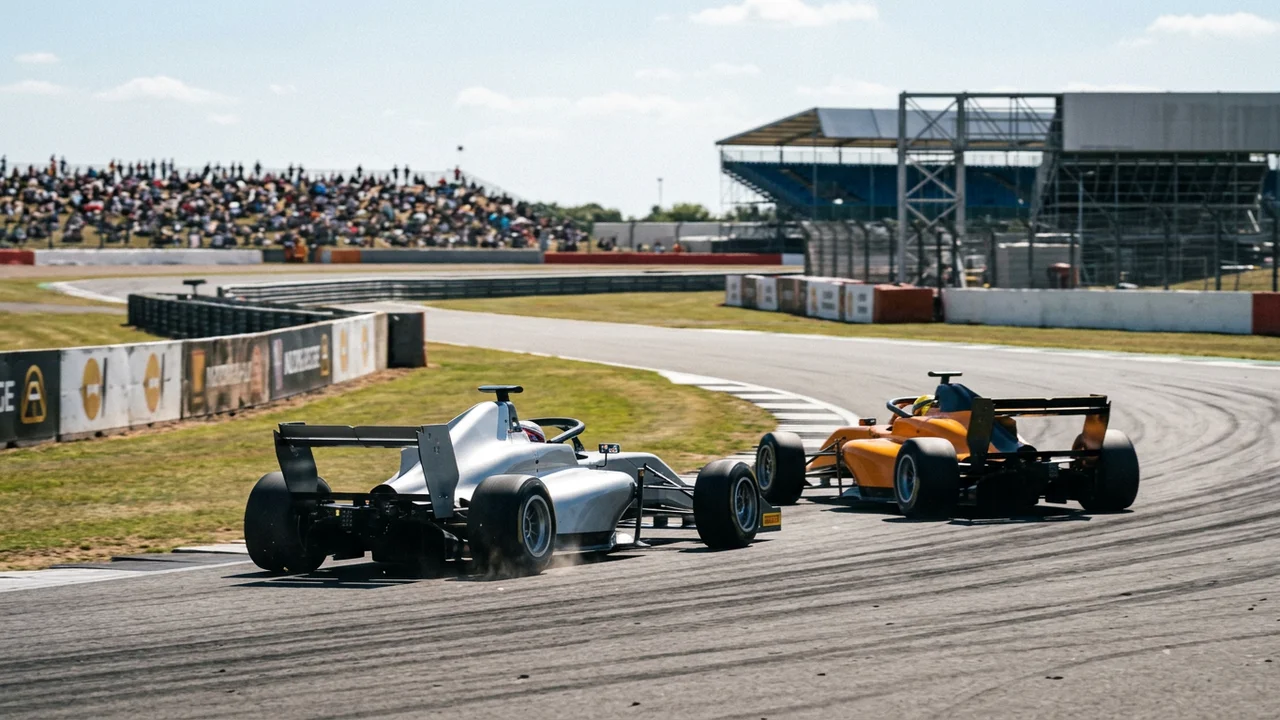
George Russell arrives at Silverstone with his contract value and team status back in the spotlight. His win in Austria broke a difficult run, one that saw teenage teammate Kimi Antonelli rack up five straight victories and build a 50-point championship lead. That streak had raised questions about Russell’s future as Mercedes’ lead driver. The Austrian Grand Prix win, however, was a lifeline, both for Russell’s title hopes and his leverage in ongoing contract talks.
A strong performance at Silverstone, especially if it brings his first home podium, could further strengthen Russell’s bargaining position. Chasing down the now 40-point gap, he’s fighting not just for the championship but for his place in Mercedes’ long-term financial plans.
Mercedes’ internal dynamics are shifting. Russell’s momentum has forced the team to reconsider its investment strategy and driver hierarchy. Any slip in form could trigger a fresh look at contract terms, especially with Antonelli’s rapid ascent and growing market value.
Elsewhere in the paddock. British drivers are magnets for sponsors and local partners. Lando Norris, last year’s home race winner and reigning world champion, remains a central figure. His success, alongside Russell’s, has driven up domestic sponsor interest, with activation budgets already rising for the 2026 British Grand Prix.
History still matters at Silverstone. The event’s legacy, think back to the iconic 1987 duel between Williams teammates Nelson Piquet and Nigel Mansell, remains a key selling point for commercial strategists. That blend of nostalgia, modern marketing, and shifting sponsor portfolios keeps Silverstone at the heart of F1’s business calendar.
McLaren’s chrome Gemini livery and Russell’s contract-fueled title chase are setting a new commercial pace at Silverstone this year.