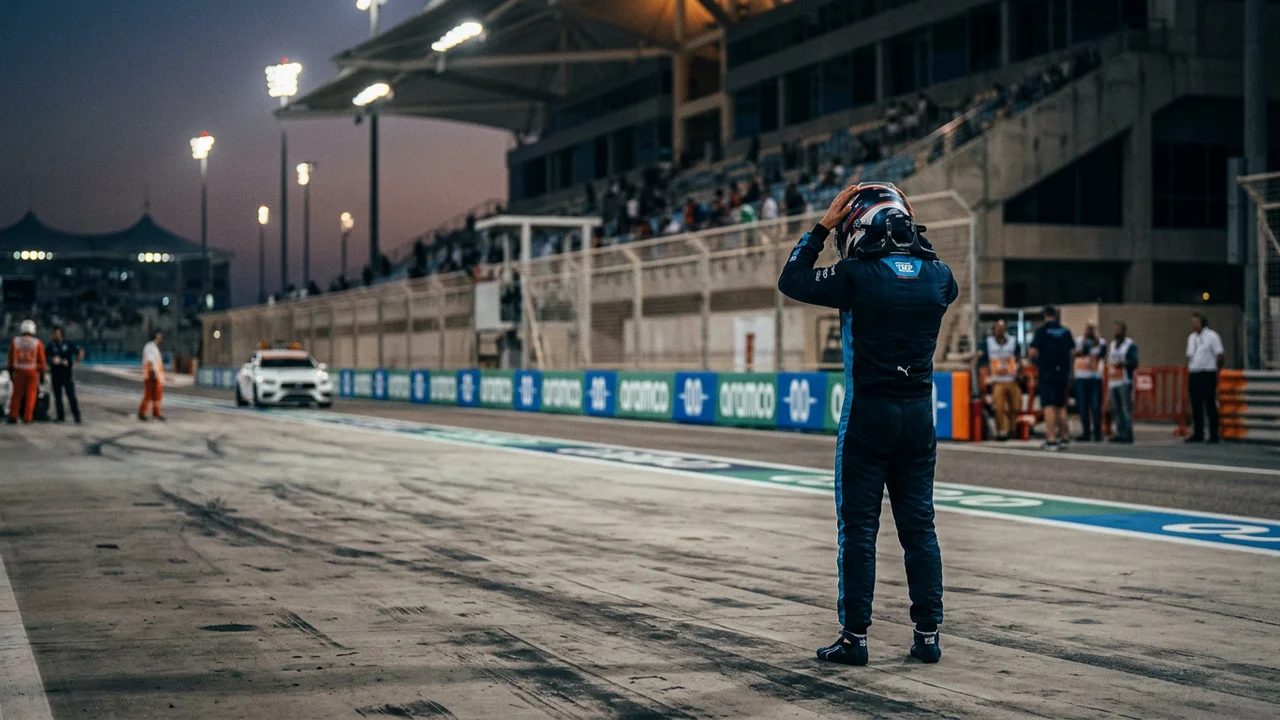
Franco Colapinto calls his crash at the Las Vegas Grand Prix the toughest turning point of his Formula 1 career, a moment that derailed early momentum and altered his standing in the driver market.
His surprise mid-season promotion to Williams in August 2024 followed Logan Sargeant’s costly crash at Zandvoort and subsequent exit. Colapinto, fresh from Formula 2 with MP Motorsport and only recently added to the Williams Driver Academy, found himself thrust into F1 with minimal preparation: just a single post-season test and one free practice session at Silverstone.
Williams’ decision to promote Colapinto mid-contract carried major business implications. Sargeant’s early departure forced the team to pay out his remaining salary while onboarding Colapinto at a likely lower retainer. That freed up budget for car development and performance bonuses. Colapinto’s entry contract was short-term, structured to keep options open for both sides and limit long-term financial risk.
He wasted little time making an impression. In only his second race. Colapinto reached Q3 and scored his first Formula 1 points at the Azerbaijan Grand Prix in Baku. He came close to more points in Singapore, then delivered again in Austin. These results sparked a surge of media and sponsor attention in Argentina and boosted his market value within the paddock. For a rookie, such performances can quickly attract sponsors and strengthen negotiating leverage for future contracts.
Williams’ 2025 line-up decision and Colapinto’s market position
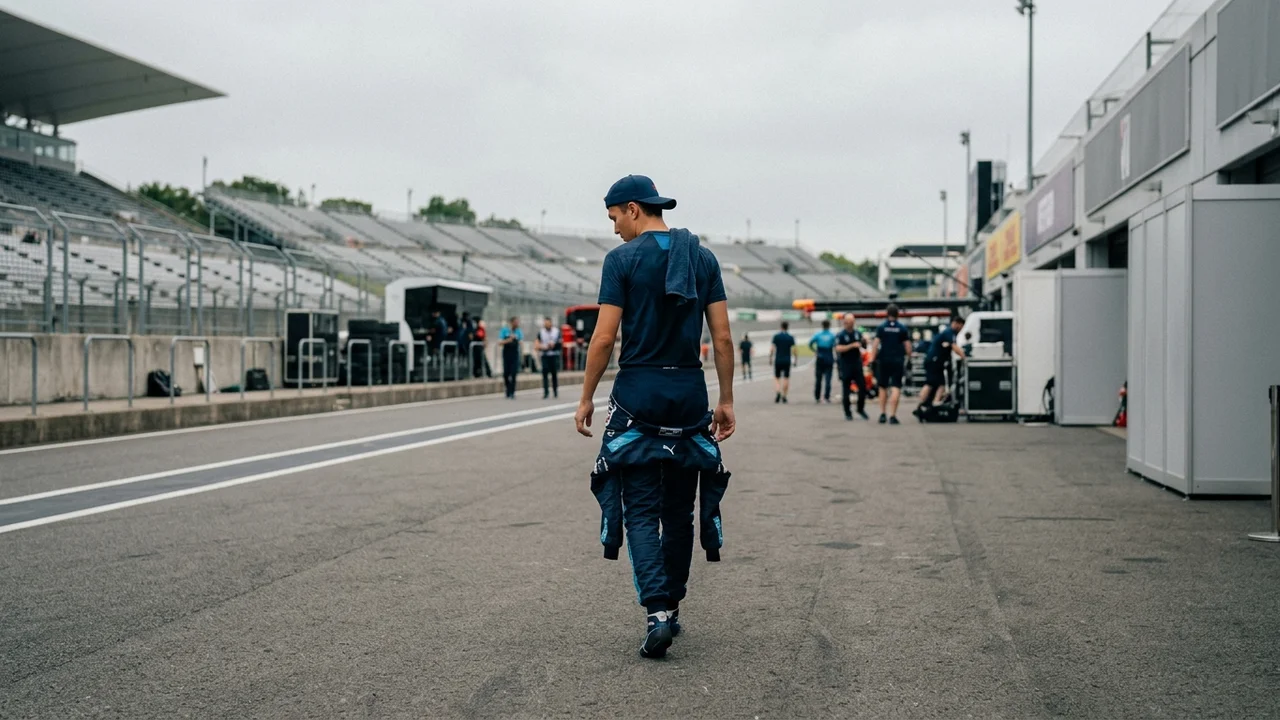
Despite Colapinto’s promising start. Williams had already locked in its 2025 line-up: Alex Albon and Carlos Sainz, newly arrived after his Ferrari exit. Colapinto was left in the classic shop window scenario. Strong results could raise his value and draw offers, but without a contract guarantee, his financial future hung in the balance.
Las Vegas changed everything. Colapinto outqualified his teammate, making it into Q2 while Albon was eliminated, but a crash at Turn 15 ended his run and abruptly cooled the hype. He called the aftermath "a disaster," as speculation about his future faded overnight. Teams often view high-profile crashes as both a sporting and financial liability, and Colapinto’s negotiating power and sponsor interest took a hit.
A rookie’s market value in Formula 1 can swing wildly. Colapinto’s rapid rise showed how quickly a driver can become a hot property, but Las Vegas exposed how fragile that status is without a multi-year contract or strong guarantees. Rookie deals often include performance clauses, so a costly crash or dip in results can directly affect retention options, bonus payments, and even future seat offers.
For teams weighing new signings, recent form shapes not just salary demands but also the structure of bonuses, image rights, and sponsor activation fees. Colapinto’s early points finishes might have justified a higher retainer and bonus package if his momentum had continued. Instead, the crash reportedly cooled immediate interest from rival teams, putting downward pressure on his market value at a critical moment in contract talks.
Sponsors and teams now rely on real-time digital data to gauge driver popularity, social reach, and even betting patterns. The spike in Argentine interest after Colapinto’s breakthrough results shows how digital metrics can influence contract offers and sponsorship valuations, a trend that’s reshaping F1’s financial landscape. For a deeper look at how fan and sponsor engagement can drive contract dynamics, see this analysis of changing F1 audience behavior on digital platforms.
The financial impact of performance volatility on driver contracts
Colapinto’s story highlights how financial planning and performance outcomes are tightly linked in modern F1. A strong debut can boost a rookie’s earning potential and open doors to lucrative contracts, but a single setback can deflate market value and reduce leverage. Williams’ decision to sign proven drivers like Sainz and Albon for 2025 brought financial predictability and sponsor alignment, while Colapinto’s future earnings now depend on both his recovery from the Las Vegas crash and his ability to reestablish consistency on track.
Contract details in these cases often include tiered bonus structures: points scored, qualifying positions, and even social media engagement can trigger incremental payments. When results stall or public attention fades, the financial impact is immediate, lost bonuses and diminished negotiating power for future seasons.
Colapinto himself admits his F1 journey has been anything but linear. He described his initial success as “a shock,” both in terms of performance and the scale of media attention it generated in Argentina. That surge briefly elevated his brand value, with the potential for record-breaking support if an Argentine Grand Prix ever materializes. Yet the aftermath of Las Vegas brought a harsh reset to expectations, both for himself and for teams assessing his contract value.
Contract stability and market value in F1 are highly sensitive to performance swings, especially for those on short-term deals. Colapinto’s experience lays bare the risk and reward dynamic every driver faces when trying to turn early promise into lasting financial security.