Seconds after the chequered flag at Silverstone. George Russell’s Mercedes rolled into parc fermé. The 28-year-old stepped out to a roar from the British crowd. His second-place finish, earned after a chaotic race and a late safety car, was not simply a product of raw pace.
Russell’s result was the culmination of a rigorously structured approach that he himself compares to preparing for a critical school exam. That analogy, offered in a post-race interview on the Nu Silver Arrows Radio Show, reveals the business mechanics behind both driver value and team performance in Formula 1. “I like to do my preparation and work very hard on the week off,” Russell explained, drawing a direct line between his off-track diligence and his on-track results.
For Russell, preparation goes far beyond physical training or media obligations. He describes it as deep, methodical revision, hours spent poring over data and strategy, much like a student with textbooks before a final exam. The stakes, though, are measured in millions, not letter grades.
Once the race weekend begins. Russell’s mindset shifts. “Once I arrive at the race track. I go in with an open mind. I see it as revising for an exam and then performing the exam,” he said. The financial logic is straightforward: exhaustive simulation work, data analysis, and strategy sessions are only worthwhile if they pay off on race day. Mercedes, a team investing heavily in both people and technology, relies on drivers like Russell to maximise the return on those investments. From the cockpit, there’s no chance for last-minute cramming. “Once you’re in that room performing and doing that exam, you can’t do your revision. So you’ve just got to trust what you’ve learned before.”
Silverstone Podium and the Value of Communication
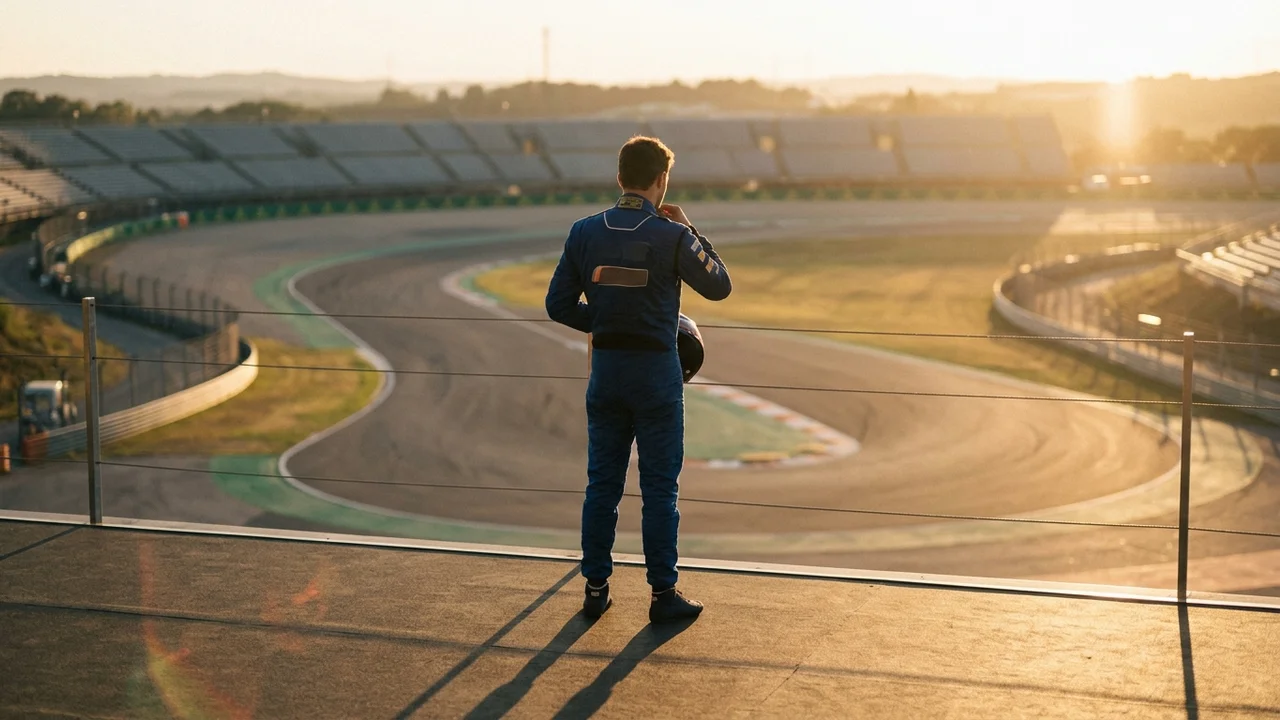
Russell’s Silverstone podium was the payoff for this approach. He overcame a slow puncture and seized the opportunity presented by a late-race safety car, clawing back lost ground to secure second place. Each position gained on track means more than just sporting glory. It translates directly into prize money, sponsorship value, and brand equity for Mercedes. The race became a case study in extracting maximum value under pressure.
Communication sits at the heart of Russell’s competitive edge. He calls it “letting it flow,” a mantra reinforced by team principal Toto Wolff, who tells him to “just drive” during the race. That simplicity is deceptive. It’s built on weeks of structured communication and mutual understanding between Russell and his race engineer. Marcus Dudley. “He will give me a message that may not make a lot of sense to the average viewer,” Russell said, “but because we’ve spoken about this a million times before, you know exactly what it means.” Those coded messages only work because of the investment made in pre-race briefings and debriefs, the backbone of Mercedes’ operational model.
For a team with an annual budget in the hundreds of millions, extracting value from every driver-engineer conversation is as critical as any aerodynamic upgrade. Clear, efficient communication reduces the risk of costly mistakes and sharpens strategy calls, ensuring that every dollar spent on preparation shows up in Sunday’s results.
Russell’s school exam mindset isn’t just a personal philosophy. It’s a blueprint for turning preparation into profit, focus into podiums. Every time Russell climbs onto the podium, he proves the value of trusting the work done in advance, and delivers when it counts.