The Tampa Bay Buccaneers are shaking things up by bringing back the colossal defensive tackle Desmond Watson, a player whose weight alone – tipping the scales at an imposing 464 pounds – sparks intrigue across the NFL landscape. As the league continues to grapple with the Philadelphia Eagles’ innovative “Tush Push” tactic, a short-yardage play that has repeatedly put defenses on their heels, the Buccaneers are banking on Watson’s sheer mass to disrupt what’s become one of football’s most talked-about strategies. This move, announced in the heat of the 2025 season, comes amid roster shifts and injury woes on the Bucs’ defensive line. While Watson’s size is undeniably a weapon, the question remains: Can one man’s bulk really sway the odds against a play that has confounded even the best of defensive coaches? Dive into the details as Todd Bowles and the Bucs ponder this bold gamble — and explore the multifaceted chess match unfolding on the gridiron.
The Resurgence of Desmond Watson: A Massive Presence for Tampa Bay Buccaneers in 2025 NFL Season
Desmond Watson’s story is nothing short of extraordinary, threading together raw physical power and perseverance. Measuring 464 pounds at Florida’s pro day, Watson is a titan on the defensive line, whose size drew immediate attention from the Tampa Bay Buccaneers after they signed him as an undrafted free agent. His enormous stature sets him apart, making him one of the heftiest players to suit up in the NFL today.
However, Watson’s journey back to the Buccaneers has been paved with obstacles. Following an offseason on the non-football illness list and a subsequent waiver in August, the Bucs remained committed to his development by providing him with dedicated nutritionists and trainers. Their goal: to trim Watson’s weight to a more game-ready range without sacrificing his intimidating presence. Consistent progress saw him dip below 450 pounds, an essential benchmark for the physically demanding NFL battlefield where agility and stamina are needed alongside mass.
The decision to bring Watson back heralds a strategic calculation by Tampa Bay’s coaching staff. Defensive coordinator Todd Bowles, known for his pragmatic yet innovative approach, has made it clear that Watson isn’t being summoned merely as a gimmick to stop a single play like the “Tush Push.” Instead, Bowles envisions a multifaceted role for Watson:
- Plugging defensive gaps: Utilizing Watson’s bulk to clog running lanes and pressure the pocket
- Rotational strength: Offering fresh legs and weight to hold the trench in critical downs
- Future potential: Developing Watson’s skills and conditioning to transform him into a versatile defensive asset
By investing in Watson’s continued weight management and skill enhancement, the Buccaneers notch up a physical force that complements existing stars such as Vita Vea, another linchpin known for his 355-pound frame and bulldozing capabilities.
While we often see NFL discussions revolve around speed and finesse, Watson reminds fans and analysts alike that power and presence still command respect on the gridiron. With Nike providing state-of-the-art gear engineered for athletes across all body types, along with Under Armour and Adidas outfitting the league dynamically, players like Watson showcase the evolution of football wearability that accommodates massive physiques without sidelining performance. His journey also highlights how sport brands like Riddell and Wilson Sporting Goods develop custom helmets and equipment, aiming to maximize protection for players with unique builds.
| Player | Weight (lbs) | Team | Role | Status |
|---|---|---|---|---|
| Desmond Watson | 464 | Tampa Bay Buccaneers | Defensive Tackle | Active Roster Candidate |
| Vita Vea | 355 | Tampa Bay Buccaneers | Defensive Tackle | Starter |
| Elijah Simmons | 335 | Tampa Bay Buccaneers | Defensive Tackle | New Signing |
What Watson Brings to the Buccaneers’ Defensive Line
Beyond his jaw-dropping weight, Watson offers a rare blend of power and technique shaped during his time with Florida Gators and Armwood High School — programs renowned for churning out NFL-ready talent. His ability to maintain leverage and collapse offensive lines can significantly impact Tampa Bay’s defensive schemes especially in short-yardage, goal-line situations.
Watson’s return aligns with Tampa Bay buoyed by a renewed depth chart following recent injuries, including the lost season of Calijah Kancey due to a torn pectoral muscle. The ability to rotate huge, powerful players like Watson and Simmons ensures that fatigue won’t erode the defense’s integrity late in games.

Analyzing the “Tush Push”: Why NFL Defenses Struggle and How Size Factors In
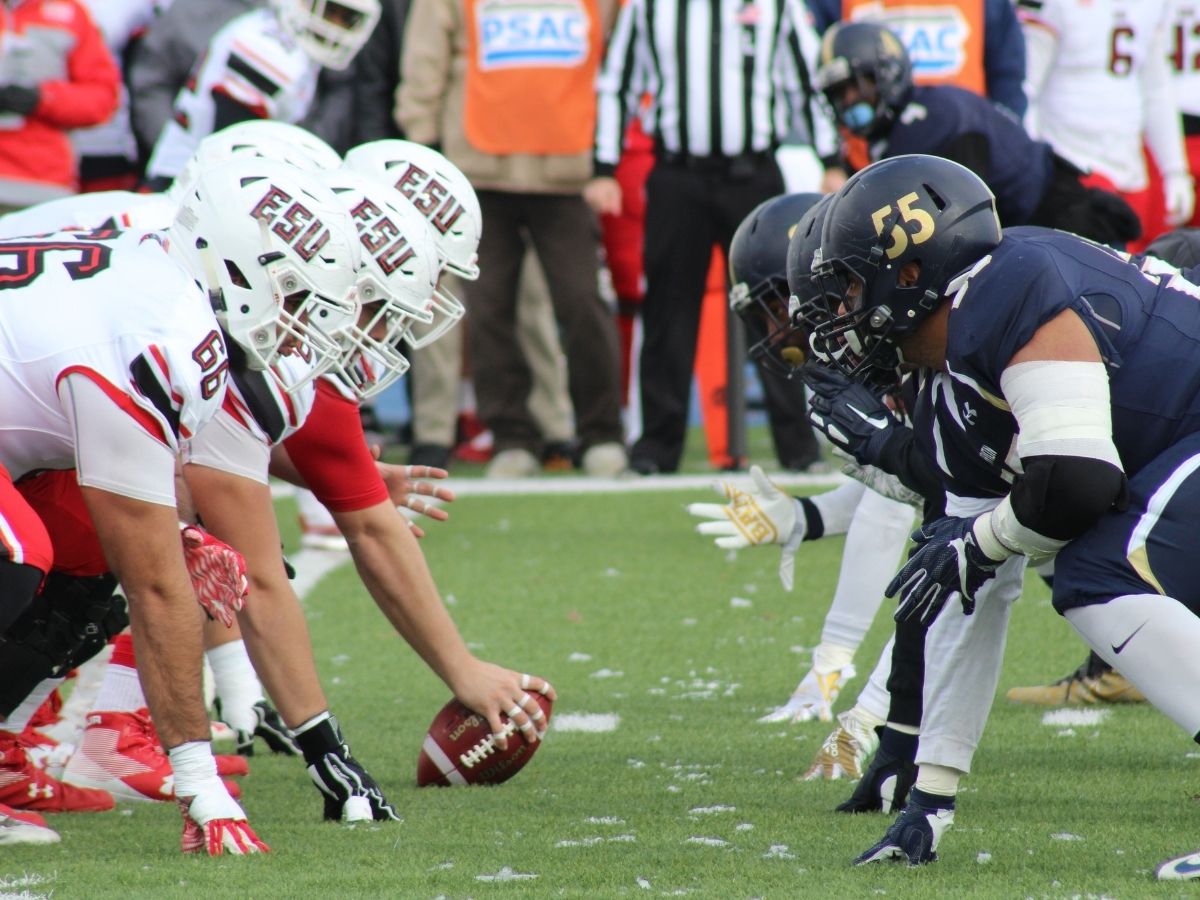
The “Tush Push” isn’t just a catchy nickname—it’s a blueprint of strategic might that’s left NFL defensive coordinators spinning. Introduced by the Philadelphia Eagles as a short-yardage cheat code, this quarterback sneak variation leverages a relentless push from the offensive line, powered often by a full send by the runner and blockers behind him.
What makes this play so formidable? It relies on precise timing, combined muscle, and the element of surprise. Often executed in crucial third-down or goal-line scenarios, the Tush Push has turned what should be a stout defensive stop into a near-automatic conversion.
Here are the core reasons why defenses are hard-pressed to stop it:
- Mass concentration: The coordinated surge of multiple blockers overwhelms single defenders.
- Momentum physics: The forward push carries offensive players with unstoppable force inches at a time.
- Defensive reaction time: Defenders get caught off-guard, split-second hesitations allow blocks to form.
- Rulebook constraints: Defensive players can’t use excessive force or illegal moves to counter without penalty.
Tampa Bay’s approach to tackling this issue involves bolstering sheer size and strength in the trenches. By placing heavyweights like Watson and Vea side-by-side, the Buccaneers aim to resist the frontal push effectively. Yet, as Todd Bowles states, you can’t just bring in players to stop one play and waste a roster spot:
“We’ll never bring him in just to stop the Tush Push. If we’ve got to bring a guy in just to stop one play and the Tush Push never comes up, you’re wasting your time.”
Still, the tactic forces teams to innovate defensive schemes. Coaches like Bowles stress adaptability over banning creative plays—for in the NFL ecosystem, the best ones evolve through anticipation and countermeasures, not outright bans.
For example, defensive line coaches might work on:
- Improved gap control ensuring defenders occupy blockers efficiently
- Enhancing defensive line strength to resist surges
- Timing linebacker blitzes to disrupt the snap count or push
- Training players to maintain low pad level leverage to counter forward momentum
With elite competition between the Eagles and Buffalo Bills pushing the envelope, the “Tush Push” has become more than a play—it’s a challenge to defensive strategy throughout the NFL in 2025.
| Team | Short-Yardage Conversion Rate | Number of Times Using Tush Push | Defensive Adjustments |
|---|---|---|---|
| Philadelphia Eagles | 85% | 35 | Continued reliance on offensive power |
| Tampa Bay Buccaneers | 40% | 28 | Recruitment of heavy defensive tackles |
| Buffalo Bills | 78% | 32 | Mix of line stunts and linebacker blitzes |
The Role of Size in Stopping Innovative Football Plays
Size is a blunt but effective tool on short-yardage plays. When it comes to the “Tush Push,” an imposing figure like Watson disrupts the execution by physically occupying and controlling multiple offensive linemen. This not only hampers forward movement but can also break the timing of the push.
Defensive players with greater mass can anchor better, prevent displacement, and reduce the offensive line’s space to develop push lanes. The challenge lies in balancing mass with mobility—something the Buccaneers are currently experimenting with thanks to their training regimen and equipment support from companies like Riddell and Wilson Sporting Goods.
Impact of Equipment and Training on Heavyweight Defensive Players in the NFL
Handling a 464-pound athlete on the gridiron is no minor feat, and teams like Tampa Bay have to bring every advantage possible to the table. Companies like Riddell are pioneering helmet technology that blends lightweight materials with robust protection tailored for linemen who carry extraordinary weight.
Similarly, apparel giants Nike, Adidas, and Under Armour are pushing the limits of fabric and fit to support extreme physiques. The flexibility and breathability of uniforms help big men like Watson maintain conditioning while staying mobile. This revolution in sportswear technology is a game-changer in 2025, ensuring that size doesn’t slow players down.
Nutrition and training also take center stage. The Buccaneers’ investment in personalized nutrition plans and strength conditioning for Watson reflects a broader NFL trend toward maximizing player longevity. For an athlete transitioning from college football to the NFL, the focus:
- Reducing unnecessary body fat while preserving muscle
- Improving cardiovascular health amid heavy frames
- Enhancing core strength to withstand repeated impact
- Quickening recovery with advanced sports drinks like Gatorade formulations tailored for heavier athletes
Such scientific support is indispensable for someone like Watson, who must not just carry his mass but use it explosively during every snap.
Blending Tradition and Science in Defensive Line Development
The Buccaneers’ approach, blending old-school physicality with modern science-driven athlete care, is becoming a blueprint for teams navigating the challenges of increasingly specialized player physiques. For Watson and others, this means:
- Access to top-tier trainers adept at working with heavyweight athletes
- Ongoing performance analytics to tailor drills and diet
- Sports medicine advancements to handle unique strain patterns on joints
The integration of these elements showcases how the NFL ecosystem—backed by major brands like Nike and Gatorade—delivers not just spectacle but sustainable athlete performance, even for those as massive as Watson.
What the Return of Desmond Watson Means for Tampa Bay and the NFL’s Future Defensive Tactics
Watson’s comeback sparks wider conversations about the evolving role of size and creativity in NFL defenses. The Tampa Bay Buccaneers are betting on big bodies that defy typical agility norms yet possess enough refined skill to keep pace with the rapid tactical evolution.
Their lineup, bolstered by heavy-hitters like Watson, Vea, and Simmons, marks a shift towards weighty, collision-heavy defense designed to blunt offenses that rely on momentum and innovation. While Watson won’t step onto the field immediately after re-signing due to conditioning requirements, his presence alone impacts preparations and practice intensity.
- Influencing opponent game plans: Teams must account for the sheer barrier that Watson presents at the line.
- Enhancing rotational options: Watson’s ongoing weight loss and training hint at a defensive lineman who could be both powerful and increasingly dynamic.
- Shaping future recruitment: Other NFL teams may look to similarly massive players, escalating a trend of size-focused strategic depth in short-yardage defense.
This opens intriguing prospects for how offenses, including the Philadelphia Eagles, adapt their strategies—potentially spawning new waves of tactical innovation in the NFL landscape. The chess game of football continues, with each reconnaissance matched by a countermeasure. Watson’s return adds a fresh piece to Tampa Bay’s defensive arsenal, symbolic of an era where brute strength meets modern preparation.