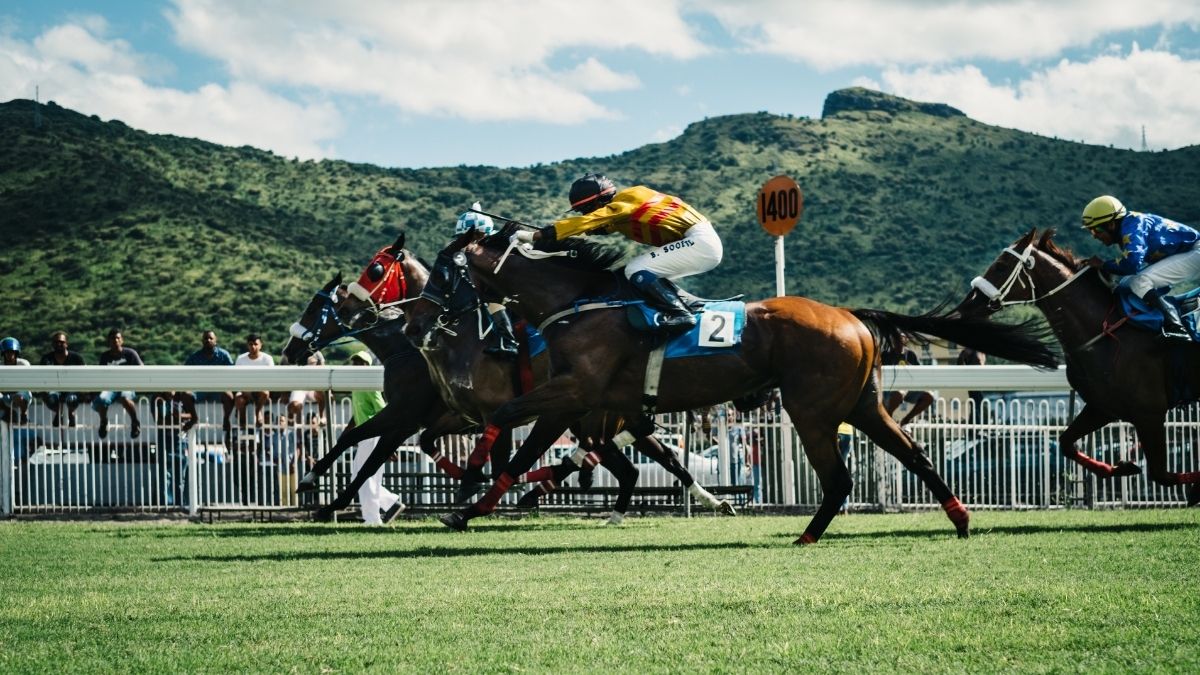
The UK racing scene has long been a theatre of excitement and thrilling upsets, where the spotlight often shines brightest on the established giants. But beneath the well-lit grandstands hides a cadre of emerging trainers quietly mastering their art, honing their stables, and gearing up to make waves as autumn arrives. As the turf turns crisp and the stakes heighten, these under-the-radar trainers are cultivating potential stars and crafting strategies that could steal the show at key meets from Newmarket to Cheltenham. Their stories, methods, and horses embody the raw passion and relentless drive that fuel the sport’s vibrant undercurrent. This exploration sheds light on figures like Charlie Johnston Racing and Ed Bethell Racing, delves into cutting-edge training philosophies, and uncovers the profound blend of tradition and innovation defining UK racing’s promising future.
Top Emerging UK Racing Trainers Ready to Dominate Autumn Stakes
The autumn racing calendar across the UK is renowned for its intensity and prestige, serving as a proving ground where seasoned veterans and ambitious newcomers vie for supremacy. This season, several emerging trainers have demonstrated remarkable progress, positioning themselves as serious contenders. Their blend of technical mastery, horse psychology, and innovative conditioning practices has quickly gained traction. Here’s a closer look at some top names making headway.
- Charlie Johnston Racing: Johnston’s rise has been fueled by a meticulous approach to both flat and jump racing, balancing endurance training with speed work. His patient yet progressive training style has repeatedly unlocked potential in less-heralded horses.
- Ed Bethell Racing: Bethell is carving out a niche in National Hunt circles, with his focus on stamina-building exercises and jump technique refinement. His horses have shown exceptional composure under pressure, a hallmark of his training philosophy.
- George Boughey Stables: Boughey’s hands-on methodology emphasizes individual horse psychology and adaptive race preparation, a formula that has propelled several runners to unexpected victories this year.
- Alice Haynes Racing: Haynes is known for her detail-driven flat racing programs, utilizing data analytics to optimize race strategy and conditioning cycles for her young charges.
- Heather Main Racing: Main blends traditional conditioning with nutrition-focused regimens, enhancing recovery and performance, particularly in her jump racing squad.
Each of these trainers thrives not only because of their hands-on experience but also due to their embrace of evolving methods that diverge from convention. Their knack for elevating horses outside the usual spotlight provides an exciting dynamic as autumn brings its pivotal meets.
| Trainer | Specialty | Key Strengths | Notable Horses (2025) |
|---|---|---|---|
| Charlie Johnston | Flat & Jump Racing | Balance of endurance and speed, patient development | Stormlight, Final Chase |
| Ed Bethell | National Hunt | Stamina focus, jump precision, mental composure | Highland Charge, Mystic Dancer |
| George Boughey | Flat Racing | Horse psychology, adaptive training plans | Silver Arrow, Rising Dawn |
| Alice Haynes | Flat Racing | Data-driven conditioning, race strategy | Velocity Peak, Nightfall |
| Heather Main | Jump Racing | Nutrition-based recovery, endurance building | Leap Legend, Stamina Giant |
This roster is just the tip of the iceberg. Trainers like Gemma Tutty Racing and Richard Spencer Racing are also quickly gaining recognition, skillfully blending tradition with acumen to forge a new generation of winners. The autumn meets will be a perfect stage for these rising talents to display their prowess.
Training Innovations and Approaches Behind Their Rising Success
Emerging trainers in the UK are not solely standing on the shoulders of giants; they are shifting paradigms and adopting cutting-edge strategies to optimize performance while preserving horse welfare. The science behind their success is equally compelling as the competition itself.
Integrative Conditioning Programs
For trainers like Mick Appleby Racing, the principle of integrative conditioning combines tailored exercise regimens, recovery protocols, and psychological engagement with the horses. Instead of rote training schedules, these programs respond to physiological data such as heart rate variability, biochemical markers, and muscle recovery metrics. This data-driven approach enables trainers to pinpoint the precise moments for load intensity adjustments, maximizing peak performance at the right time.
Precision Nutrition and Recovery
Alice Haynes Racing prioritizes nutrition as a cornerstone for stamina enhancement. By working closely with equine nutritionists, her stable benefits from individualized feeding plans that optimize energy metabolism and muscle repair. Similarly, Heather Main Racing’s nutritional focus helps horses maintain peak condition through the grueling jump season, reducing injury downtime and enhancing consistency.
- Key innovations include:
- Use of wearable tech to monitor horse vitals in real-time
- Custom nutritional blends tailored to individual metabolic needs
- Hydrotherapy and novel recovery methods post-training
- Behavioral assessment tools to reduce stress and enhance focus
The transformation these methodologies promise is clear. Horses trained under such regimes exhibit higher endurance, reduced injury rates, and improved psychological readiness, factors critical for success in autumn’s high-pressure meets.
| Training Aspect | Innovative Technique | Impact on Horse Performance |
|---|---|---|
| Conditioning | Heart rate variability monitoring | Optimizes training load, avoids overtraining |
| Nutrition | Metabolically balanced feeds | Enhances stamina and recovery speed |
| Recovery | Hydrotherapy and massage | Accelerates muscle repair, reduces soreness |
| Psychology | Stress monitoring and behavioral therapy | Increases focus and reduces race-day anxiety |
As technology becomes more accessible and affordable, trainers across all tiers adopt these approaches. Even those like Daragh Bourke Racing and Nick Bradley Racing, operating from smaller yards, incorporate sophisticated methods where possible, leveling the playing field and intensifying competition.
National Hunt’s Quiet Revolution: Trainer Profiles to Watch
Jump racing remains a pinnacle of toughness and tradition within UK racing, yet fresh faces are stirring the pot with fresh energy. Trainers specializing in National Hunt events are combining grit with science to cultivate horses capable of powering through gruelling courses and high fences.
Among the rising trainers are names like Gemma Tutty and Richard Spencer, known for their no-nonsense approach to conditioning and race selection, chipping away at the dominance of more established yards. Their tactful patience allows horses to develop jumping skills gradually while building necessary endurance. Their recent performances at venues like Cheltenham and Aintree demonstrate their upward trajectory.
- Gemma Tutty Racing: Focuses on bespoke jump training and recovery cycles, ensuring horses peak at the right time.
- Richard Spencer Racing: Employs innovative schooling techniques that improve hurdle confidence and timing.
- Daragh Bourke Racing: Known for rigorous fitness regimes that enhance stamina on long National Hunt courses.
- Nick Bradley Racing: Integrates mental conditioning practices to boost horses’ resilience under race-day stress.
- Mick Appleby Racing: Uses detailed performance analytics to fine-tune race targeting and preparation.
These trainers’ accomplishments signal a quiet revolution in National Hunt racing. Their calculated approaches reflect a deeper understanding of equine physiology and psychology, key to conquering the demanding autumn jump events.
| Trainer | Special Focus | Recent Success | Impact on Racing Scene |
|---|---|---|---|
| Gemma Tutty | Jump training and recovery | Cheltenham Festival top 5 finishes | Elevates standards for jump preparation |
| Richard Spencer | Schooling techniques for hurdlers | Aintree hurdle victories | Introduces refined jump schooling methods |
| Daragh Bourke | Fitness and endurance | Consistent wins in stamina-heavy races | Pushes boundaries on National Hunt fitness |
| Nick Bradley | Mental conditioning | Reduced error rates in jumps | Improves jump race-day focus |
| Mick Appleby | Performance analytics | Reliable placings and wins | Data-driven race preparation |
This blend of hard work, science, and experience heralds an exciting era where intellectual rigor supplements traditional grit in National Hunt racing, raising the bar for both trainers and their horses as the calendar turns to autumn.
Flat Racing’s Rising Stars: Trainers Innovating on the Turf
Flat racing thrives on speed, strategy, and seamless coordination between horse and handler. Emerging trainers making waves on the flat circuit understand this intimately and combine old-school horsemanship with analytics and innovation.
George Boughey Stables exemplifies this blend, emphasizing tailored race preparation that adjusts to the unique temperament and condition of each horse. Trainers like Alice Haynes Racing and Charlie Johnston Racing supplement this approach with contemporary methods such as GPS tracking during gallops and biomechanical video analysis, optimizing stride efficiency and pacing.
- George Boughey Stables: Innovative individualised conditioning leading to consistent performance improvement.
- Alice Haynes Racing: Focus on race-day strategy backed by robust data and analytics.
- Charlie Johnston Racing: Patient development of young talents with a focus on long-term potential.
- Heather Main Racing: Nutrition and conditioning crossover enhancing flat racing stamina.
- William Haggas (already noted but now influencing new trainers): Leading the trend of precision conditioning and international race targeting.
| Stable | Key Innovation | Typical Race Types | Effect on Performance |
|---|---|---|---|
| George Boughey Stables | Individualized conditioning | Middle-distance & Sprint | Improved consistency and race adaptability |
| Alice Haynes Racing | Data-driven race strategy | Two-year-old and Classic Routes | Optimized race pacing and finishing kick |
| Charlie Johnston Racing | Long-term talent development | Handicap and Maiden races | Enhanced potential realization and maturity |
| Heather Main Racing | Nutrition-conditioned stamina | Middle-distance | Greater endurance and recovery speed |
| William Haggas | Precision conditioning and race targeting | Group 1 Classics | Increased win rate at elite levels |
These trainers are reshaping flat racing’s narrative by injecting data and science without losing sight of the sport’s visceral allure. Their horses’ recent showings at venues like Goodwood and Doncaster affirm their upward trajectory in premier British races.
Key Risks and Opportunities for Autumn Meets: What to Watch
With the high stakes of the autumn racing calendar, emerging trainers face a mix of challenges and rare opportunities. Weather conditions, horse health, and the intensity of competition all weigh heavily in their potential to break into the winner’s circle. Monitoring how these trainers navigate these hurdles provides a window into their readiness and adaptability.
Key Risks
- Unpredictable Weather: Autumn often brings soggy tracks and rapidly shifting conditions that can unsettle even the best-prepared horses.
- Injury and Fatigue: The accumulated strain over a demanding season puts a premium on managing recovery without sacrificing performance.
- Competitive Pressure: Battling against well-established stables with deeper resources can challenge smaller operations’ resolve.
Emerging Opportunities
- Spotlight on New Talent: Autumn meets provide a platform to showcase breakout stars and shift perceptions in horse racing circles.
- Adaptive Strategies: Trainers utilizing flexible training schedules and tech-driven insights can capitalize on uncertainties to gain a competitive edge.
- Growing Fan Engagement: The evolution of social media and betting platforms allows emerging trainers to build brands and garner support beyond the track.
| Challenge | Potential Trainer Response | Outcome |
|---|---|---|
| Weather Variability | Adaptive training environments and surface-specific conditioning | Maintained performance consistency |
| Injury Risk | Enhanced recovery protocols and data-monitored loads | Reduced downtime and longevity |
| Competitive Depth | Innovative training and focused horse selection | Improved race outcomes and recognition |
Through strategic foresight and determination, emerging trainers like Gemma Tutty Racing and Daragh Bourke Racing prepare to seize autumn’s opportunities despite its inherent challenges. This clash of innovation and tradition underscores the excitement of the UK racing season’s second half.