The 2025 Mexico City Grand Prix is gearing up to be one of the most electrifying rounds on the Formula 1 calendar. With the race set for October 26 at the historic Autódromo Hermanos Rodríguez, every team is on edge, aiming to master the circuit’s unique challenges. This event is not just another race; it’s an intense showcase of raw power, tactical brilliance, and the relentless pursuit of speed at one of the highest altitude tracks on the calendar. Teams like Red Bull Racing, Mercedes-AMG Petronas, Ferrari, and McLaren are all fighting tooth and nail for supremacy, while the likes of Aston Martin Aramco and Alpine look to upset the established order with bold strategies and blistering pace. Tyre manufacturer Pirelli adds another layer of intrigue, offering compounds that will demand precise management under Mexico City’s thin air conditions. This race promises more than speed; it demands endurance, sharp decision-making, and an ability to adapt on the fly.
As the championship heats up, the stakes couldn’t be higher. The high-altitude circuit reduces aerodynamic drag and makes cooling a puzzle for every team, influencing everything from qualifying runs to race day strategy. Expect fierce battles at the dizzying high-speed sections, as the circuit’s three DRS zones ignite overtaking galore. With the Constructors’ Championship already claimed by McLaren for the second consecutive year, the spotlight shifts to driver glory and tactical mastery. Will Max Verstappen continue his gripping dominance, or will new challengers rise to steal the show in Mexico City?
- High-altitude track demands unique aerodynamic and cooling strategies.
- Red Bull Racing and Mercedes-AMG Petronas lead the charge with competitive pace.
- Tyre strategy by Pirelli critical due to track surface and thinner air.
- Three DRS zones make Mexico one of the best circuits for overtaking.
- New challenges face mid-field teams like Williams Racing, Haas F1 Team, and AlphaTauri.
High-Altitude Challenges Impacting Car Performance and Driver Strategy at Mexico City
The Mexico City circuit is unique in the F1 calendar, perched at over 2,200 meters (7,200 feet) above sea level. This elevation significantly affects car dynamics and driver approach. The thin air means engines receive less oxygen, reducing power output naturally. This forces teams like Ferrari and Mercedes-AMG Petronas to innovate on engine mapping and boost performance through electronic adjustments, making sure the power deficit is minimized without jeopardizing reliability.
Another challenge lies in aerodynamics. With reduced air density, aerodynamic downforce drops by roughly 15%, impacting grip levels through faster corners. Cars tend to slip more, leading to elevated tyre wear, complicating strategy calls for engineers and pit crews. Taking into account that Pirelli supplies several compounds optimized for different track temperatures and wear profiles, teams have to execute tyre preservation tactics flawlessly. Red Bull Racing, known for its aerodynamic prowess, looks to exploit this by running aggressive setups focusing on maximizing mechanical grip.
Beyond the mechanical complexities, drivers must adapt their style. The lower downforce levels demand smooth handling to conserve tyre life. Braking zones become trickier as the reduced air pressure also affects brake cooling. Historical data suggests that drivers who manage to find the perfect balance between attacking and preserving tires often come out on top in Mexico versions of the race.
- Power loss at altitude reduces engine performance by 5-10% across teams.
- Downforce decrease results in less grip, increasing the likelihood of sliding.
- Tyre degradation rates are higher, focusing importance on pit stop timing.
- Brake cooling becomes a critical concern due to thinner air.
- Driver finesse crucial to optimize energy management and tire wear.
| Effect | Impact | Team Adaptation |
|---|---|---|
| Engine Power Drop | 5-10% power loss | Advanced engine mapping adjustments (Ferrari, Mercedes-AMG Petronas) |
| Aerodynamic Downforce Loss | Approx. 15% less grip | More aggressive mechanical grip setups (Red Bull Racing) |
| Increased Tyre Wear | Shorter stint length | Strategic pit stop timing with Pirelli tyres |
| Brake Cooling Challenges | Higher risk of overheating brakes | Modified brake ducts and cooling strategies |
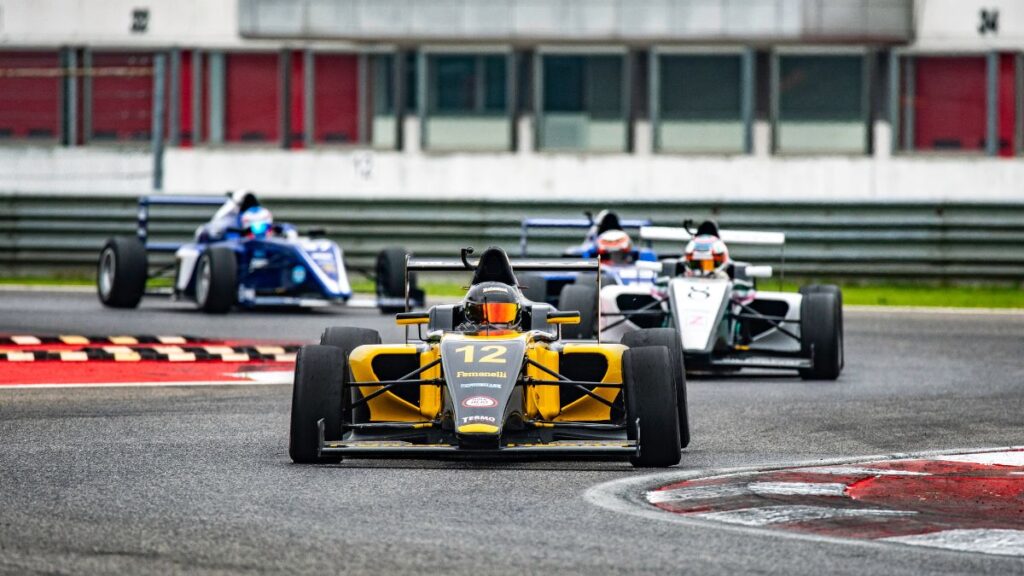
Analyzing Pace Trends: Who Holds the Edge in Mexico City’s Unique Conditions?
Looking at the 2025 season’s momentum, Red Bull Racing continues to exhibit blistering pace with Max Verstappen and his teammate pushing laps at jaw-dropping speed. Their cars’ chassis design aligns well with Mexico City’s characteristics — focusing on maximizing low-downforce speed and mechanical grip. This advantage, combined with Verstappen’s aggressive yet precise style, has made Red Bull the favorite, but Mercedes-AMG Petronas and Ferrari have responded with upgrades that close the gap in recent rounds.
McLaren, the Constructors’ Champions, have brought solid progress in race pace and strategy execution. Lando Norris, supported by new recruit Oscar Piastri, has demonstrated strategic patience, often pulling off impressive tire management and well-timed pit stops. Meanwhile, mid-field outfits such as Aston Martin Aramco and Alpine have honed their setups to focus on qualifying pace, looking to juggle performance and consistency. The fight for points between Williams Racing, Haas F1 Team, and AlphaTauri remains fierce, with every tenth of a second counting.
- Red Bull Racing leads in raw speed but must balance reliability.
- Mercedes-AMG Petronas and Ferrari closing the gap with aerodynamic tweaks.
- McLaren excels in strategic gameplay and pit stop efficiency.
- Mid-field teams prioritize qualifying speed for track position advantage.
- Every team must adapt to Mexico’s challenging altitude to extract maximum pace.
| Team | Qualifying Pace Rank | Race Pace Strength | Reliability Concerns |
|---|---|---|---|
| Red Bull Racing | 1 | Excellent | Low |
| Mercedes-AMG Petronas | 3 | Strong | Moderate |
| Ferrari | 2 | Strong | Moderate |
| McLaren | 4 | Solid | Low |
| Aston Martin Aramco | 7 | Improving | Moderate |
Key Lap Time Improvements and Sector Battles
Sector times across the circuit have seen intense battles between Verstappen, Leclerc, and Hamilton, with improvements particularly in the high-speed third sector, including the famed Peraltada corner. Teams have optimized downforce for better flow through high-speed bends and deployed software updates that enhance torque management on long straights. These refinements contribute to swifter lap times and closer qualifying battles, setting the stage for another nerve-wracking race weekend.
Mastering Tyre Strategy at the Mexico City Grand Prix: Pirelli’s Influence and Team Approaches
Pirelli‘s tyre compounds play a pivotal role in how this race unfolds. The Mexico City Grand Prix exposes tyres to increased wear due to aggressive corners and high altitudes, challenging teams to flawlessly calculate when to pit and which tyres to use. Pirelli offers a range that includes soft, medium, and hard compounds, with teams typically leaning towards medium and hard to balance grip and durability.
The thin air also affects tyre temperature management. Teams like Red Bull Racing and Aston Martin Aramco refine cooling channels and suspension setups to maintain optimal tyre temperature windows. Pit strategy can be the difference between victory and defeat, particularly in a race where overtaking is frequent but timing is everything.
Race simulations suggest that a two-stop strategy focusing on early medium tyres followed by harder compounds to finish could yield the best results, but conditions on race day—such as ambient temperature and track evolution—may push teams towards alternative approaches. Midfield teams often gamble on aggressive undercuts or extending tyre stints to leapfrog rivals, adding dynamic unpredictability to the race.
- Soft, medium, and hard compounds offered – choice affects stint length and pace.
- Two-stop strategies preferred by leading teams.
- Tyre temperature management crucial due to thin air and complex cornering.
- Effective pit stop timing can enable key overtakes.
- Midfield adopts a flexible approach to challenge top tier runners.
| Compound | Expected Usage | Pros | Cons |
|---|---|---|---|
| Soft | Limited stints, aggressive qualifying | Best grip, fast lap times | Rapid wear, potential early pit stop |
| Medium | Primary stint, balanced performance | Good durability, consistent lap times | Less ultimate grip than soft |
| Hard | Longest stints, final race phase | High durability, fewer stops | Slower lap times, low grip |
Implications of Driver Lineups and Technical Upgrades on Race Day Outcome
The 2025 Mexico City Grand Prix does not only challenge cars but puts team lineups and updates under a microscope. Drivers on form, such as Max Verstappen and Charles Leclerc, carry momentum that often translates into fearless attacking on race day. Meanwhile, McLaren‘s Oscar Piastri and Lando Norris demonstrate how team cohesion and clear communication deliver strategic advantages, often extracting extra tenths from their machinery in tense moments.
Technical upgrades rolled out before Mexico have shaken things up further. Mercedes-AMG Petronas has introduced aerodynamic tweaks that improve low-speed corner handling, crucial for Mexico City’s twisty middle sector. Similarly, Ferrari has focused on power unit refinements to counter the altitude’s power loss, while AlphaTauri and Haas F1 Team try new suspension components aimed at tire preservation and improved balance on the bumpy track surface.
- Driver confidence and experience pivotal under demanding conditions.
- Recent technical upgrades influencing mid-field competitiveness.
- Strategic teamwork between drivers and engineers gives edge during pit stops.
- Focus on reliability amid high stresses caused by altitude and track layout.
- Continuous data feedback loops guiding real-time tactical decisions.
| Team | Driver Form | Notable Upgrades | Race Impact Potential |
|---|---|---|---|
| Red Bull Racing | Dominant (Verstappen) | Engine reliability enhancements | High |
| Mercedes-AMG Petronas | Recovering (Hamilton) | Aerodynamic tweaks for medium corners | Medium |
| Ferrari | Strong (Leclerc) | Power unit altitude adaptations | High |
| McLaren | Consistent (Norris, Piastri) | Improved pit stop protocols | High |
Fans eager to dive deeper can find diverse insights and race build-ups at Red Bull Driver Partner analysis and track the evolving championship implications at F1 Calendar & Title Fight updates.