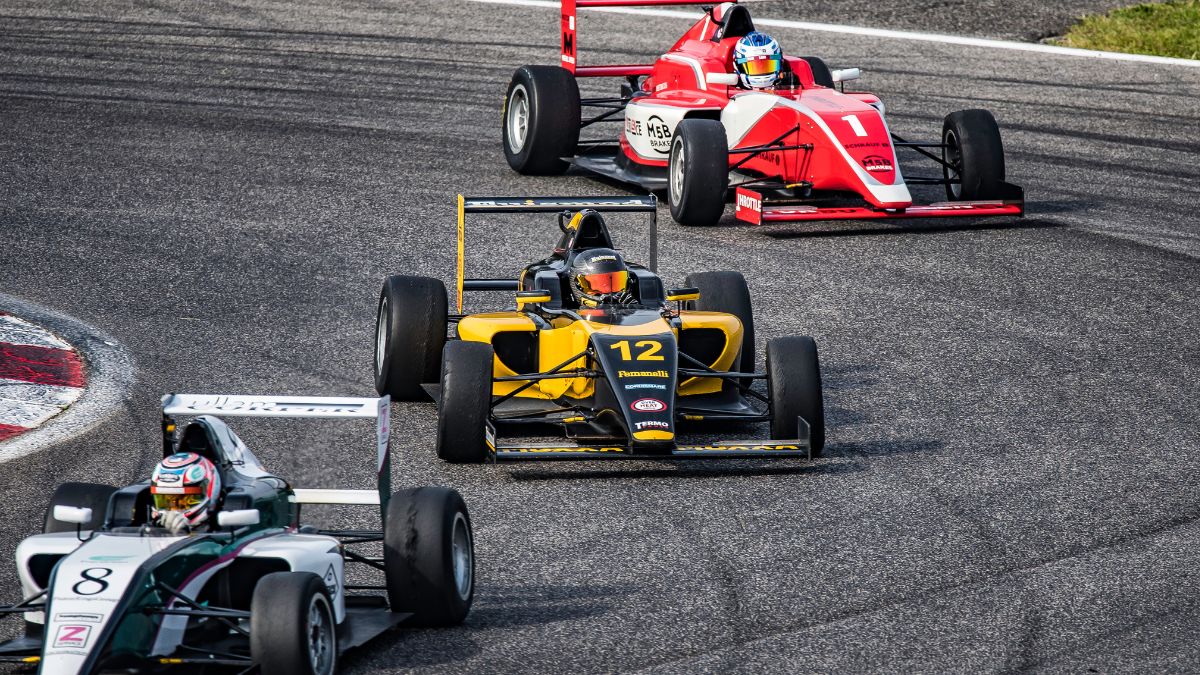
The Brazil Grand Prix at the iconic Interlagos Circuit is one of the most spirited races on the Formula 1 calendar. With October 31, 2025, marking the scheduled date, teams and fans alike brace for a weekend brimming with tactical intrigue and unpredictable elements. The interplay of weather conditions and tyre strategies promises to shape the race dynamically, drawing from the circuit’s history of thrilling contests. This season, Formula 1’s elite outfits, including Red Bull Racing, Mercedes-AMG Petronas, McLaren, Ferrari, Aston Martin, Alpine, and Williams, are expected to fine-tune their approaches in anticipation of weather swings and tire wear peculiarities that Interlagos is notorious for.
Weather forecasts are already stirring conversations about changing track conditions that could upset established strategies. Rain, a traditional wildcard at the São Paulo venue, remains a significant factor, potentially prompting the adoption of intermediates over full wets and forcing teams into intricate planning regarding tyre pressure adjustments. The evolving rubber footprint on Interlagos’ fresh asphalt further complicates tyre performance variables, with notable impacts on grip and thermal degradation. Fans hungry for the latest updates should keep an eye on race previews that delve deeper into these unfolding scenarios, such as F1 title outlook analysis in Austin and past grand prix reports like the F1 Mexico City GP 2025 coverage.
This article aims to dissect these early indicators ahead of the Brazil GP, parsing out the nuanced decision-making teams must grapple with under the Brazilian sky. It will, in turn, provide a compelling glimpse into the strategic battles that define Formula 1 races when weather and tire management intersect. From the importance of finding the perfect downforce balance to tyre compound selections shaped by real-time track conditions, the outlook for October 31 promises heart-stopping moments and tactical brilliance.
Weather Influence and Forecast: Unraveling Brazil’s Iconic Wet-Dry Challenge
The São Paulo Interlagos Circuit is infamous for its capricious weather, and October’s timing places the grand prix well within a season of sporadic rain showers. Teams are already adjusting their expectations for the race weekend, anticipating a fight not just against competitors but also the elements. A significant portion of the Canadian, Mexican, and Brazilian races have historically been dictated by sudden rainbursts, and 2025 looks no different, with meteorological data hinting at intermittent precipitation mixed with dry spells.
The uncertainty surrounding rain levels spells strategic complexity. Unlike circuits where weather shifts are predictable, Interlagos has often thrown a curveball at the final hour. Teams rely heavily on forecasts to decide tyre compounds and pit stop timings, but those are just the starting blocks in a weekend where adaptation is key.
- Early session moisture: Morning track conditions may feature damp patches, favouring intermediate tyres.
- Afternoon rain possibilities: Potential rain during the sprint race could see aggressive tyre pressure adjustments to maintain grip.
- Dry line evolution: As rubber gets laid down in dry track segments, temperature management across tyres will shift.
- Visibility and safety challenges: Heavy rain could reduce driver visibility influencing pace and overtaking maneuvers.
Such factors necessitate teams to have adaptable setups ready. The possibility of a fully wet or mixed tyre race remains high. Importantly, the preference for intermediates in recent race simulations and qualifying sessions reflects Pirelli’s forecast that these may well dominate over full wets unless torrential rains arrive, echoing reports from Pirelli’s Chief Engineer Simone Berra about pressure optimization being critical under variable water levels.
| Weather Condition | Expected Impact | Related Strategy |
|---|---|---|
| Light rain during Sprint Race | Grip variability; increased tyre wear on harder compounds | Intermediate tyres with medium-high pressures |
| Heavy rain in Main Race | Reduced visibility and aquaplaning risks | Frequent pit stops; possible full wets deployment |
| Dry patches post-rain | Faster lap times but tyre graining potential | Transition to medium/hard compounds; conservative tyre pressures |
| Stable dry weather | Lower tyre degradation and predictable performance | Lower wing angles for maximum straight-line speed |
Fans tracking other sports in October will appreciate how the unpredictability of Brazil’s weather adds to the spectacle, challenging even the most seasoned engineers of Aston Martin and Ferrari. Expect the weather’s influence to be a headline story even as the cars roar to life on the revered Interlagos Circuit.
Tyre Strategy at Interlagos: Mastering Compounds and Pressure Tactics
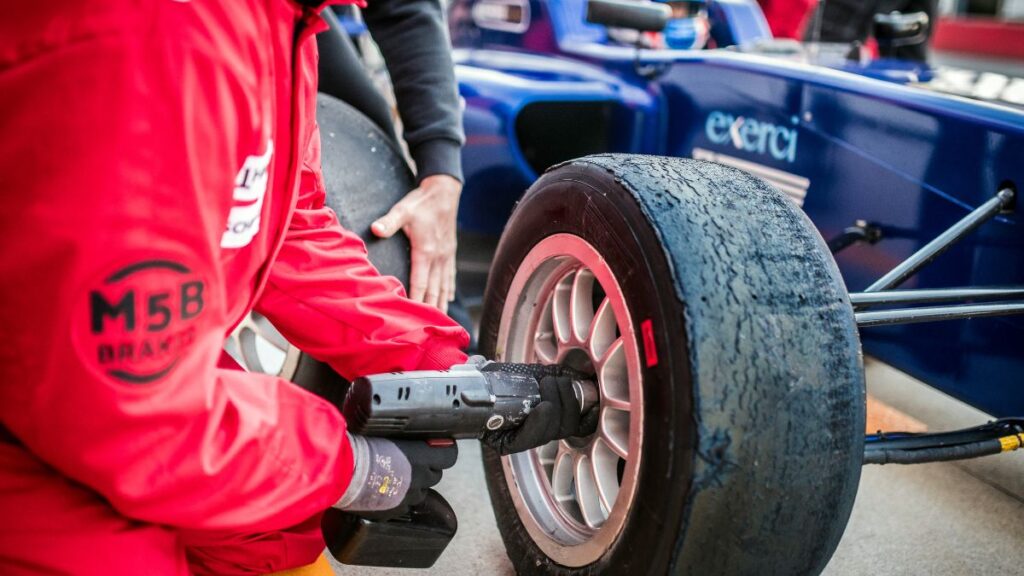
With the weather forecast adding layers of complexity, tyre strategy at the São Paulo GP becomes a chess game played at 200+ mph. Pirelli’s 2025 range brings six compounds from C1 to C6, offering teams various options for the slick segments, but it’s the softer mediums and hards alongside intermediate rubber that typically hold sway here. The 2025 Sprint Race weekend format intensifies strategic choices, with limited practice and tyre allocations forcing teams into precision planning.
The nature of Interlagos – long straights meet twisty high-speed corners – leads to unique tyre wear patterns, particularly towards the rear right tyre, which is prone to overheating and graining. Managing these risks demands careful balancing of pressures and compound selection. Here’s a breakdown of key tyre considerations based on recent team simulations and online race data:
- Soft compound drawbacks: Despite initial pace, softs suffer excessive graining and heat degradation, limiting their race usefulness.
- Medium compound viability: Offers a balance of durability and speed, ideal for middle stints during the race.
- Hard compound durability: Essential for longer stints, especially when conservation is paramount and for defending track position.
- Intermediate tyres: Likely race tyres if rain persists, requiring pressure adjustments to avoid aquaplaning.
Teams favor a medium-hard compound strategy, often sequencing in the race as medium-hard-hard or medium-medium-hard, optimized further by pressure tweaks. Pirelli’s emphasis on tyre pressure yesterday holds, where slightly elevated pressures aid in water evacuation but risk increased thermal degradation, while lower pressures extend contact patch but can prompt aquaplaning.
| Tyre Compound | Wear Rate per Lap | Best Usage Scenario |
|---|---|---|
| Soft | 5.5% – 6% | Qualifying and very short bursts; not suited for race |
| Medium | ~4.5% | Primary race tyre; middle stint runs |
| Hard | ~3% | Long stints; defensive driving and low degradation |
| Intermediate | Variable; thermal degradation depends on standing water | Rain-affected sessions; key race tyre if wet conditions persist |
Notably, recent performance in simulator testing showed setups with wing levels around 25-27 for dry conditions, prioritizing straight-line speed while maintaining sufficient downforce to handle Interlagos’ infamous mid-corner challenges. Conversely, wet sessions demand 35-40 downforce setups to deliver crucial grip and stability.
Strategically, the Sprint Qualifying and Main Race tyre allocations may differ, with teams aiming to preserve softer rubber for qualifying runs while relying on medium and hard compounds for race durability. The split pit stop window, compounded by an unpredictable weather scenario, could see blistering two-stop strategies supported by aggressive undercuts during safety car or rain-induced runs.
For readers fascinated by the race’s broader context and strategic evolution, reviewing insights from the Mexico City Grand Prix analysis offers an excellent comparison of fuel, tyre wear, and track layout influences on strategies this season.
Car Setup Dilemmas: Wing Levels, Traction, and Stability Choices
The perfect race setup at Interlagos remains a tightrope walk between straight-line speed and cornering prowess. The layout, with its long straights and sharp, twisty sections, means teams must optimize wing levels carefully. Lower wings (around 25) enhance top speed down straights like the pit straight and back straight, critical for overtakes and defensive racing. However, mid to high wing settings (30+) benefit corner stability, especially through the Senna Esses and the challenging “Junção” corner.
Recent simulations and online league results point to a preference for medium wing settings, balancing speed and handling without sacrificing tyre longevity. Differential settings play a crucial role here, with higher off-throttle differential settings (up to 55) increasing car stability through corner exit phases. Toe adjustments and roll bar tuning further tailor car behavior to maintain grip while limiting over-rotation, crucial on harder tyre compounds prone to twitchiness as stints progress.
- Moderate wing settings (25-27): Maximizes straight-line speed; ideal for dry races prioritizing overtaking.
- High wing settings (35-40): Optimizes downforce; preferred for wet or mixed conditions where grip is paramount.
- Diff settings: Increasing off-throttle diff increases corner stability; lowering it makes car more reactive but less forgiving on worn tyres.
- Suspension and braking: Synchronization essential to keep the car planted through fast chicanes and allow late braking into tight corners.
Setup fluidity between the Sprint Qualifying and Main Race is a notable peculiarity of the 2025 format. Teams can adjust wing levels slightly during the brief window after Sprint Qualifying; this could be decisive in responding to weather and track evolution.
| Setup Parameter | Recommended Range for Dry | Recommended Range for Wet |
|---|---|---|
| Front/Rear Wings | 25-27/25-27 | 35-40/40-45 |
| Off-Throttle Differential | 45-55 | 55-60 |
| Toe Settings | Minor toe-in/out for stability | Similar with slight toe-in for grip |
| Ride Height | Standard | Raised 3-5 clicks for wet to avoid aquaplaning |
Regarding traction, the circuit positions particular stress on controlling wheelspin upon acceleration out of corners, especially the uphill “Junção” that leads onto the pit straight, a critical overtaking zone. Drivers from Mercedes-AMG Petronas and Red Bull Racing will likely labor over throttle application to balance aggression with tyre preservation, a dance choreographed by the engineers’ setup choices.
Race Weekend Format and Strategic Implications at Brazil GP 2025
The Brazil GP weekend brings the 5th of 6 Sprint Race formats, introducing a dense schedule that tests teams’ adaptability. The compressed timeline means only one short practice session exists before Sprint Qualifying, Sprint Race, Main Qualifying, and the Main Race itself. This format impacts not only physical preparation but also tyre and setup planning.
Teams face several challenges and opportunities:
- Limited practice time: Forces focus on efficient data gathering, with tyre allocations arranged cautiously to balance qualifying and race needs.
- Parc ferme rules: Locked setups ago during Sprint Qualifying, but a brief unlocking window before Main Qualifying allows limited setup modifications, crucial for wing level tweaks especially given weather fluctuations.
- Tyre allocation strategy: Balancing soft tyre use between qualifying pace and preserving components for the longer main race stints.
- Pit stop strategy complexity: Potential for 1 or 2 stops depending on evolving conditions; safety car timing or rain-induced stops could disrupt carefully laid plans.
For fan engagement, understanding this format through live commentary and real-time predictions enhances the viewing experience. It is an adrenaline-fueled weekend that rewards teams like McLaren and Alpine who can execute under pressure and adapt swiftly.
| Session | Duration | Strategic Considerations |
|---|---|---|
| Practice | 30 minutes | Intensive setup and tyre evaluation under limited conditions |
| Sprint Qualifying | Short flying lap focus; parc fermé enforcement begins | Preserve soft tyres; optimize qualifying lap with limited tyre sets |
| Sprint Race | Short race; fast pace and tactical tyre preservation | Wing level experimentation; crucial tyre management |
| Main Qualifying | Standard Q1-Q3 session under parc fermé adjusted setup | Final tyre and car setup for main race |
| Main Race | Full race distance (approx. 70 laps) | Tyre strategy dominance; tyre wear and pit stop decisions |
Fans looking for a detailed breakdown of the Sprint Race weekend benefits from resources such as the Austin GP takeaways, which explain the demands and stats underpinning this format.
As teams maneuver through the qualifying sessions and sprint race battles, the thrill escalates. The qualifying pace split by tyre compound choice and setup tweaks palpably shifts race-day tactics.
Pre-race coverage exploring the interaction of weather patterns, tyre strategies, and car setups provides fans a front-row seat to the cerebral game behind the spectacle at Interlagos.
Early Season Trends and Strategic Lessons Heading into Brazil GP 2025
Looking back on the Formula 1 season thus far, patterns that have emerged across circuits offer insightful context for Brazil. Notably, the top teams have showcased varying strengths in tyre management and adaptability amidst fluctuating weather, crucial for scoring big points here.
Red Bull Racing continues to push the envelope with aggressive strategies built on strong qualifying runs but sometimes vulnerable tyre wear mid-race. Mercedes-AMG Petronas has promised reliable pace combined with smooth tyre management—qualities that bode well for Interlagos’ challenging terrain. Meanwhile, Ferrari and Aston Martin have made strategic strides that could disrupt the status quo, especially if the rain intensifies.
- Early-season sprint races have emphasized the importance of maximizing short-run tyre performance without compromising long race stints.
- Variable weather conditions in previous races, like those at the Mexico City GP 2025, have refined teams’ wet weather strategies and intermediate tyre usage.
- The rising competitiveness of midfield teams, including McLaren and Alpine, hinge on their ability to optimize pit stops and tyre pressure adjustments.
These lessons translate directly into the tactical framework for the Interlagos weekend, where split-second decisions on tyre compound swaps and pressure settings during changing weather conditions could swing race outcomes dramatically.
| Team | Strengths at Interlagos | Potential Challenges |
|---|---|---|
| Red Bull Racing | Strong qualifying pace; aggressive race strategy | Tyre degradation management |
| Mercedes-AMG Petronas | Stable tyre wear; consistent race setups | Finding extra qualifying speed |
| Ferrari | Adaptive strategies in wet conditions | Setup optimization for mixed conditions |
| McLaren | Efficient pit strategies; rising pace | Consistent qualifying performance |
| Aston Martin | Strong aerodynamic balance; wet traction | Consistent race pace |
It’s this high-stakes blend of preparation and adaptability that elevates the Brazil GP to one of the most unpredictable and thrilling fixtures, promising drama from the starting lights to the checkered flag.