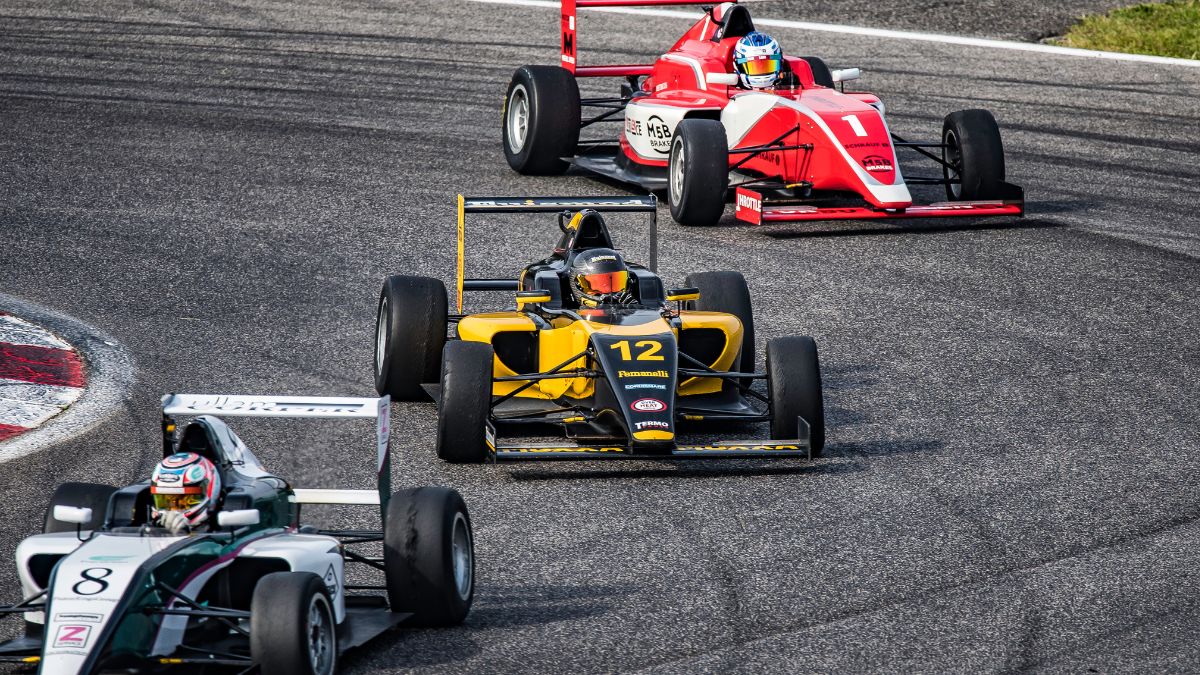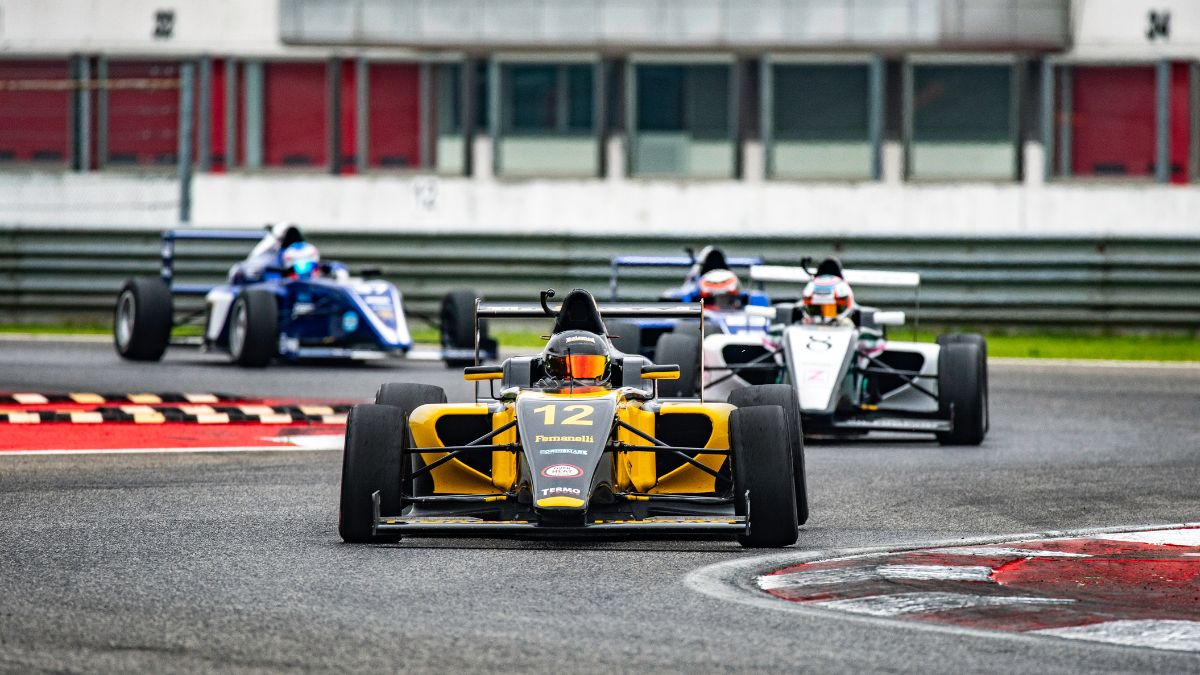
The 2025 São Paulo Grand Prix is shaping up to be one of the most electrifying moments of this year’s Formula 1 season. Taking place at the iconic Autódromo José Carlos Pace, also known as Interlagos, this event marks the penultimate sprint race where championship tensions reach their peak. Fans worldwide are eagerly awaiting the spectacle as the battle for the title tightens. The Brazilian circuit has forged a legendary reputation for hosting edge-of-the-seat moments, and this year promises no less. The passionate local crowd, known for their fervor regardless of weather, will be a crucial part of the atmosphere, whether the skies deliver brilliant sunlight or the infamous soaking rains that have historically turned the race into a dramatic rollercoaster.
With teams like Red Bull Racing, Mercedes AMG Petronas, Ferrari, McLaren, and Aston Martin pushing their machines to the limit, the battle on track is high stakes. Each team’s strategies and driver skills will be tested by Interlagos’ unique layout – a compact 4.3 km circuit featuring tricky turns and full-throttle sections connected by flowing curves. Tire management by Pirelli, as usual, will influence the race pace significantly while sponsors like Rolex, Heineken, and Petrobras bring an added prestige to the event, with greater global attention as the title chase closes in. The passion, the history, and the stakes all combine to make the São Paulo Grand Prix a stunning prelude to the season finale.
In brief:
- São Paulo Grand Prix is the penultimate Sprint race of the 2025 Formula 1 season.
- Autódromo José Carlos Pace (Interlagos) is renowned for epic championship showdowns.
- Teams like Red Bull Racing and Mercedes AMG Petronas are locked in tight title battles.
- Weather at Interlagos remains unpredictable, making tire strategy vital to success.
- The Brazilian crowd brings unmatched energy whether in blazing sun or torrential rain.
- Sponsors such as Rolex and Heineken enhance the global spectacle and atmosphere.
Historic Drama and Circuit Charms: Why Interlagos Remains a Fan Favorite
Few circuits have hosted as many dramatic moments and championship-deciding races as the Autódromo José Carlos Pace. Its demanding layout compresses high-speed straights and technical corners within a tight 4.3 km track, challenging drivers to be daring yet precise. Interlagos, named after Brazilian racing legend José Carlos Pace, has witnessed races where fortunes flip in seconds – moments that fans cherish and remember for decades.
This circuit’s compact nature means visibility is close for spectators, and the undulating terrain adds an extra layer of excitement. The atmosphere at São Paulo is legendary, fueled by a crowd that stays loyal whatever the weather throws at them. In fact, last season’s Grand Prix saw a thrilling double podium finish for one team amidst torrential rain, amplifying the emotional rollercoaster for both fans and competitors alike. The unpredictable weather patterns always keep teams and drivers guessing, making flexibility essential.
Included in this year’s Grand Prix experience is the new trophy, a creative masterpiece designed by Brazilian artists from Furf Design Studio. This trophy embodies the spirit of Brazil, merging technology, art, and emotion in a symbol that celebrates the country’s diversity and vibrancy. It stands as a bold reminder of the race’s cultural significance and how intertwined the event is with Brazilian identity.
Key reasons Interlagos captivates fans and drivers:
- Technical Challenge: A track that rewards bravery and precision.
- Unpredictable Weather: Sudden rains can transform race strategies instantly.
- Electric Atmosphere: One of the most passionate crowds in F1.
- Rich Legacy: Home to numerous iconic championship battles.
- Unique Trophy: Celebrates Brazil’s culture and technological advancement.
| Track Feature | Description | Impact on Racing |
|---|---|---|
| Length | 4.3 km | Compact layout allows for intense, wheel-to-wheel battles. |
| Altitude Changes | Undulating terrain | Requires driver skill to manage car balance through elevation. |
| Key Sections | Two long full-throttle straights | Enables overtaking opportunities and high speeds. |
| Corner Complexity | Mix of slow and fast curves | Challenges tire wear and driver precision. |
| Weather | Highly variable | Race strategies must adapt to last-minute changes. |
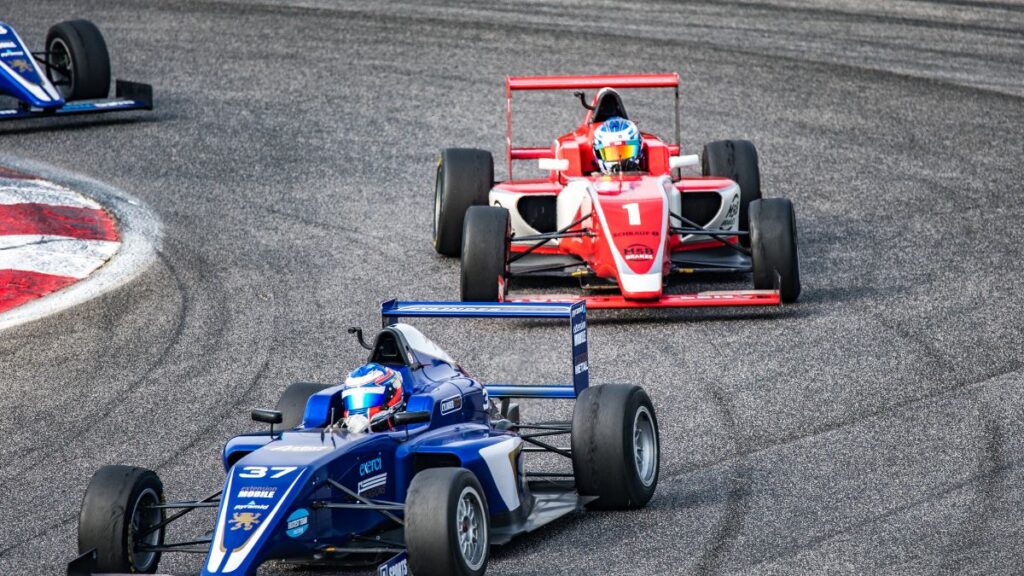
Title Race Tension: Red Bull Racing and Mercedes AMG Petronas Head-to-Head
Heading into the São Paulo Grand Prix, the championship battle is nothing short of intense. Red Bull Racing, led by their formidable lineup, remains a powerful force aiming to consolidate their position at the front, while Mercedes AMG Petronas is fiercely determined to close the gap. Both teams are squeezing every ounce of performance from their cars and drivers, knowing the penultimate sprint points could tip the scales heading into the season finale.
Red Bull’s engineering brilliance paired with aggressive race tactics has yielded numerous wins this year. The team’s strategic use of Pirelli’s latest tire compounds shoulders much of the responsibility for their successes, maximizing grip through Interlagos’ demanding turns. Mercedes, on the other hand, is counting on both driver skill and innovative setups to exploit the circuit’s unique challenges, particularly in braking zones and rapid elevation changes. These crucial battles on track are amplified by split-second decisions during the sprint, where every position gains vital championship points.
The intense rivalry is also a spectacle of contrasting styles: Red Bull’s explosive pace versus Mercedes’ consistency and racecraft. Both teams benefit from extensive data analytics and aerodynamic upgrades, reflecting a season-long tug-of-war pushing Formula 1 technology forward. Enthusiasts watching close know this duel will likely define 2025’s championship.
The title contenders’ edge in São Paulo is shaped by:
- Optimized tire management guided by Pirelli’s evolving compounds.
- Advanced aerodynamic tweaks suited for Interlagos’ flowing corners.
- Brilliant driver adaptability during unpredictable weather.
- Strategic pit stops finely tuned for the Sprint race format.
- Teamwork from pit wall decisions and driver communication.
| Team | Key Strength | 2025 São Paulo Tactics |
|---|---|---|
| Red Bull Racing | Aggressive pace, strong race starts | Maximizing tire performance and push in first sector |
| Mercedes AMG Petronas | Consistent race pace, strategic efficiency | Focus on tire preservation and late-race tire grip |
Watch the battle unfold: Formula 1 São Paulo Sprint Qualifying 2025 highlights
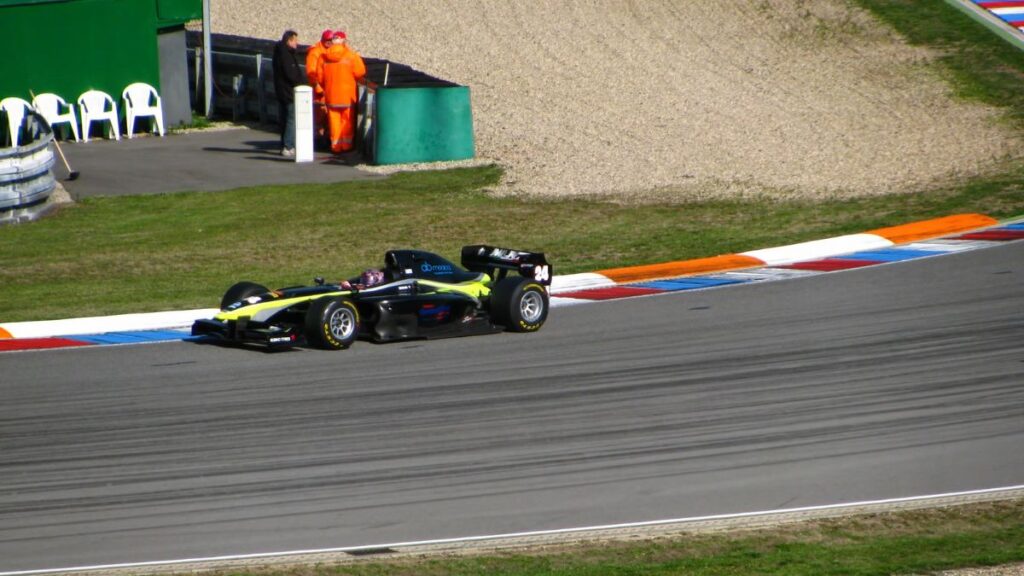
Ferrari, McLaren, and Aston Martin: Dark Horses Racing Against the Odds
While Red Bull Racing and Mercedes AMG Petronas capture most headlines, Ferrari, McLaren, and Aston Martin are relentless contenders pushing the limits in São Paulo. These teams are determined to shake up the order and claim vital points that could influence the overall championship. Each brings striking strengths that could make all the difference on this unpredictable circuit.
Ferrari’s recent upgrades have boosted their competitiveness, particularly in handling and race setup. Their drivers are now more confident managing tire degradation, a frequent challenge at Interlagos. McLaren continues to impress with aerodynamic improvements delivering increased downforce through the technically demanding sectors. Aston Martin, having found a reliable balance between qualifying speed and race durability, is looking to capitalize on any mistakes by the frontrunners, especially in tricky weather conditions.
The fierce battle among these teams often plays out behind the spotlight of the title contenders but is no less thrilling. Fan favorites have emerged for split-second overtakes and tactical brilliance, proving that in Formula 1 every position gained counts. Their performances promise a dynamic and unpredictable mid-field fight, critical for final team standings and driver careers.
Top strategies for Ferrari, McLaren, and Aston Martin in São Paulo include:
- Exploiting slipstream on long straights for overtaking chances.
- Maintaining tire life to avoid unscheduled pit stops.
- Adapting quickly to sudden weather shifts with flexible setups.
- Maximizing sprint race points with bold early moves.
- Team orders to optimize points haul in the championship fight.
| Team | Recent Strength | São Paulo Race Focus |
|---|---|---|
| Ferrari | Improved tire management and chassis upgrade | Focus on consistent lap times and strategic overtaking |
| McLaren | Aerodynamic enhancements increasing downforce | Target aggressive qualifying and strong mid-race pace |
| Aston Martin | Balanced qualifying and race setup | Capitalize on tire durability and pit stop efficiency |
Sprint Race Tactics Explored – São Paulo Grand Prix 2025
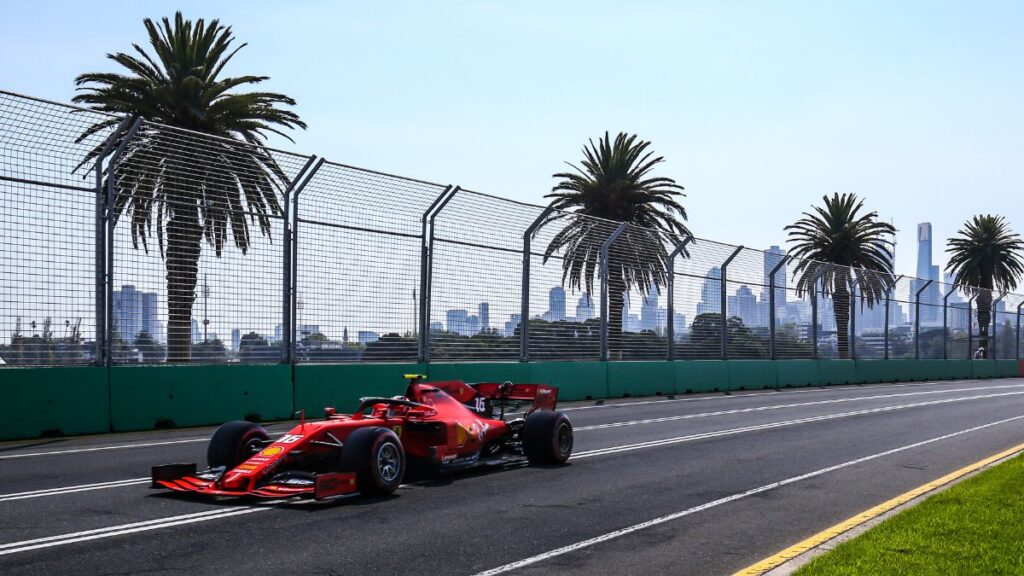
Weather Gambles and Tire Strategies: The Pirelli Factor at Interlagos
Interlagos’ weather is notoriously fickle, often switching between sun and sudden downpours in minutes. This variability plays a pivotal role in shaping race outcomes and team strategies. Pirelli’s tire compounds must be managed with precision – one wrong choice can sabotage even the best driver’s efforts. In 2025, the evolution in tire technology has provided teams with more options but also more complexity in decision-making.
Weather forecasts ahead of the São Paulo Grand Prix suggest conditions could vary dramatically, meaning teams must prepare contingency plans. An early sprint race phase in dry conditions may quickly evolve into a wet battle, demanding rapid tire changes and altered driving styles. The performance gap between soft, medium, and wet tires is critical, and the correct timing in switching compounds could gain or lose precious seconds.
Teams rely on close collaboration with Pirelli engineers and meteorologists, using race simulations and real-time weather tracking tools. This synchronized approach is vital in the Sprint format, where fewer laps compress opportunities for recovery. Meanwhile, drivers’ skill in handling deteriorating tires and adjusting braking points under changing track conditions tips the scales during tight battles.
Crucial elements of Pirelli’s tire strategy for the São Paulo race include:
- Choice amongst soft, medium, and wet tire compounds based on track conditions.
- Optimal timing for pit stops to minimize time loss during tire changes.
- Monitoring tire degradation rates to avoid drop-offs in performance.
- Driver adaptability in sensitive weather fluctuations.
- Synchronizing strategy with Rolex-timed race phases for precision decisions.
| Tire Compound | Ideal Conditions | Advantages | Challenges |
|---|---|---|---|
| Soft | Dry, cooler tracks | Maximum grip and speed in early laps | Higher degradation rate |
| Medium | Dry, warmer tracks | Balanced durability and grip | Less initial speed compared to soft |
| Wet (Intermediate/Full Wet) | Rain or damp track | Improved traction in slippery conditions | Reduced speed on dry sections |
The tire game at Interlagos can often turn the race on its head, making even minor weather changes monumental. Fans can track how teams navigate these challenges live, supported by detailed commentary and stats revealing every strategic move regarding tire choices. For more on weather impacts, see the detailed weather and tire analysis.
Global Celebration and Brazilian Passion: Sponsors and Fans Ignite the Grand Prix
The São Paulo Grand Prix represents far more than just a race; it is a festival of speed, culture, and international sportsmanship. The support from global sponsors like Rolex, Heineken, and Petrobas reinforces the event’s prestige, bringing together technological excellence, entertainment, and community spirit. These partners provide crucial resources that enhance everything from race timing and broadcast quality to fan experiences around the circuit.
The roaring Brazilian crowd is an essential element of what makes this race unforgettable. Their chants, vibrant costumes, and unwavering support create an electric atmosphere that motivates drivers and elevates the spectacle. The energy in the grandstands ripples across the track, pushing teams to deliver breathtaking performances. Historical data shows how driver morale often spikes in the presence of such passionate fans, adding a psychological edge to the competition.
Organizers continuously innovate fan engagement initiatives, including interactive zones and technology-driven experiences that connect global audiences to the live energy of Interlagos. As the season approaches its climax, the São Paulo Grand Prix stands as a beacon of sport’s universal appeal — a place where passion meets precision on the world stage.
Highlights of sponsor and fan impact on the São Paulo GP:
- Rolex ensures precision with official race timing and event ceremonies.
- Heineken fuels fan festivities with extensive hospitality programs.
- Petrobras invests in sustainable race initiatives and Brazilian motorsport development.
- Local fans contribute unmatched energy regardless of challenging weather.
- Spectator engagement enhanced through digital platforms and on-site activities.
| Sponsor | Contribution | Fan Experience Role |
|---|---|---|
| Rolex | Official timekeeper, precision race timing | Hosts podium ceremonies and exclusive hospitality |
| Heineken | Event hospitality sponsor | Organizes fan zones and party events |
| Petrobras | Brazilian motorsport sustainable initiatives | Supports local motorsport growth and environmental programs |