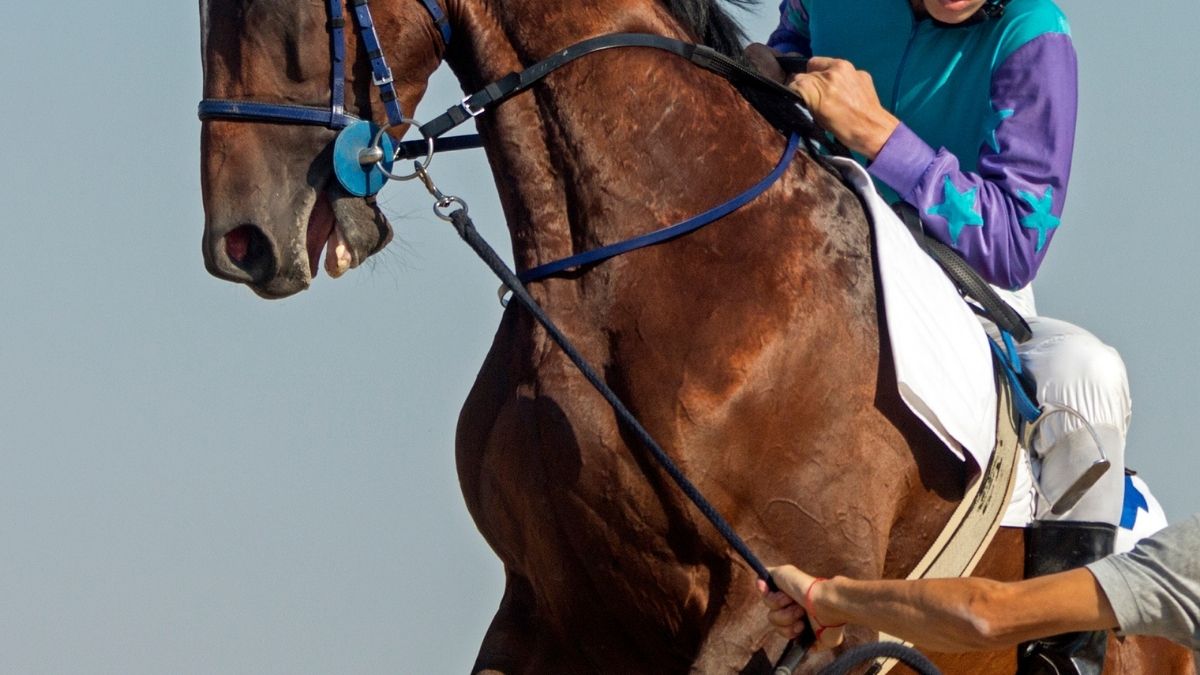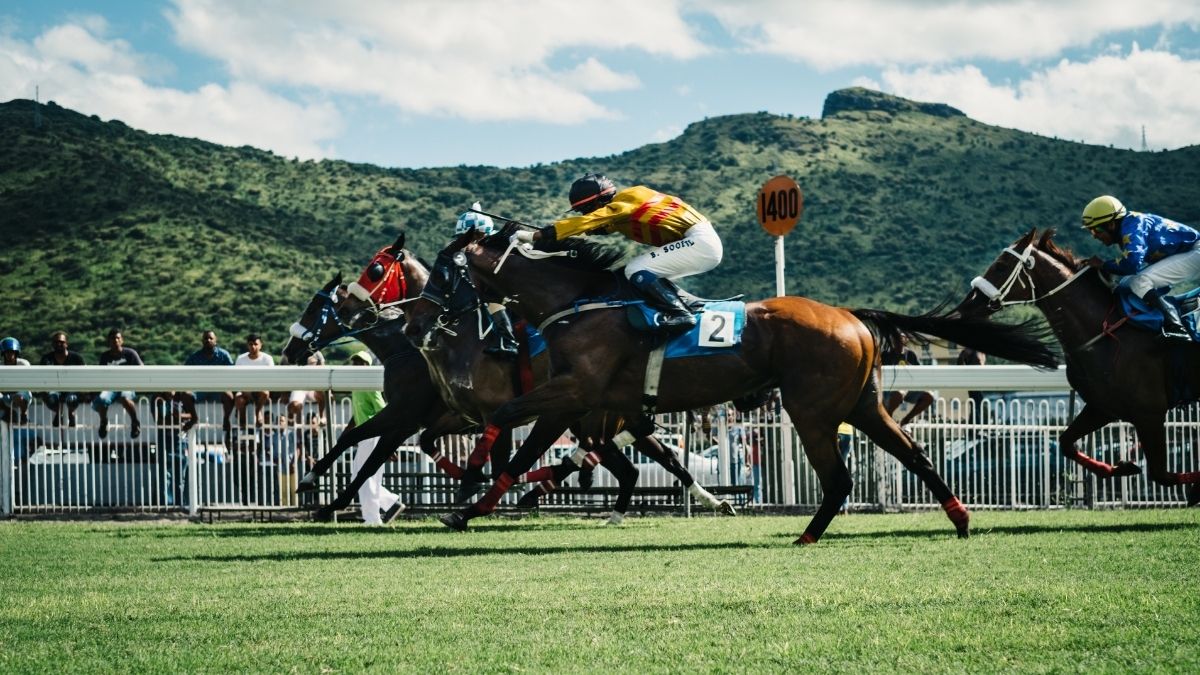
The 2025 flat racing season has unfolded with exhilarating intensity, showcasing a thrilling array of performances from stables across Britain and Ireland. This racing review highlights the strong form displayed by several prominent stables as they close the year, underscoring the dynamic interplay of training acumen, horse talent, and the spirited effort of jockeys. With the season finale drawing near, fans and punters are witnessing how racehorses evolve throughout the campaign, reflecting the relentless work behind the scenes and on the turf.
Several factors have contributed to these compelling narratives, from emerging trainers making their mark on the scene to seasoned professionals continuing to hone their prowess. The combination of nurturing young prospects and refining established horses paints a vivid picture of a sport driven by passion and precision. This energy pulses through every race, every finish line crossed, and every decision made in preparation for the next big event. The focus on performance, tactical training, and adaptation underlines the stables’ ambition to dominate as the months wane.
As the racing community looks forward, the 2025 season promises to remain action-packed, with stakes rising and rivalries sharpening. A detailed examination of key stables reveals strategies that balance patience and aggression, underlining how these teams maintain peak condition and mental resilience in their horses. This review aims to decode these elements, offering readers insight into the rhythm of flat racing and the forces that propel its participants towards victory on turf and all-weather surfaces alike.
Leading Trainers in Peak Form: The Backbone of Strong Flat Racing Stables
Among the stables finishing the year in robust form, the role of leading trainers cannot be overstated. Their ability to develop racehorses from cautious juveniles into seasoned campaigners is pivotal, as seen with figures like Ralph Beckett and the Kubler duo of Daniel and Claire. Beckett’s 2024 season set the tone with landmark victories such as the Prix de l’Arc de Triomphe victory with Bluestocking and a Breeders’ Cup Turf Sprint success with Starlust. His stable’s capacity to nurture two-year-olds into promising three-year-olds, including outstanding prospects like Pride of Arras, underscores his unmatched talent in precise progression.
Daniel and Claire Kubler, riding the momentum of a record number of wins last season, have emphasized honing horses acquired from other stables alongside homegrown talent. They have refined standouts such as Astro King and Andaleep, whose marked rating improvements illustrate the Kubler eye for untapped potential. They balance development meticulously, sometimes tackling setbacks with horses like Crack Shot while aiming for a consistent performance run. Amid rising competition, their stable’s adaptability and strategic depth stand as key factors in sustaining strong form.
Meanwhile, rising trainers like Stephen Thorne carve niches with fresh dynamism. Although relatively new to the top ranks, Thorne’s remarkable 27.5% strike rate from 40 runners in early 2025 shows a growing force ready to challenge established stables. His successes often come on all-weather tracks, notably at Dundalk, with horses like Laugh A Minute leading the charge. Thorne’s careful placement of horses and incremental progress speaks volumes about the importance of emerging trainers in the broader flat racing landscape.
This cluster of trainers, seasoned and upcoming, has become the backbone of the thriving flat racing ecosystem. Their approach combines expert training methods tailored to individual horses, showcasing the synergy between human expertise and equine potential. As the season finale approaches, their stables embody the fierce competition and exquisite strategy essential to the sport’s allure.
Key Racehorses to Watch: Emerging Stars and Proven Performers in Flat Racing
Within the farms and stables firing on all cylinders, certain racehorses are capturing attention as pivotal figures in the season’s unfolding drama. The racing review identifies over 30 standouts, each contributing unique stories of resilience, progression, and raw speed. Almeraq, a William Haggas-trained colt, emerges as a prime candidate, having impressed starting his 2025 campaign strong and benefitting from stellar power pedigrees like Dark Angel bloodlines. His powerful frame and graceful stride set high expectations.
Another horse gaining buzz is Alvin, a fast-moving juvenile trained by George Scott, who looks primed for sprint distances of 5 furlongs and has shown promising work on the gallops. Meanwhile, Arth’s Gold—recommended by Richard Hannon—is progressing steadily through handicap ranks, destined to make waves in middle-distance contests. Bloodstock expert Cathy Grassick extols Atsila, a three-year-old who shined on debut and promises a bright future in Group races, a testament to patient training and excellent breeding.
Counting Cards, highlighted by Sky Sports’ analysts, exemplifies the blend of youth and maturity needed for competitive flat racing. Having been gelded prior to the season, this colt is poised for a breakthrough over seven furlongs and beyond, showcasing speed and stamina. Other names like Falakeyah, Icelandic-bred filly excelling under Owen Burrows’ coaching, and Fantasy World, an Andrew Balding charge capable of progressing to prized handicap contests on extended trips, illustrate the diversity of flat racing talent.
Within such a spectrum, the racehorses’ conditioning, training regimens, and race selections act as crucial ingredients steering them towards stardom. These horses represent more than just raw athleticism: their mental readiness and ability to respond to jockey tactics distinguish the contours of successful campaigns. Through rigorous preparation and keen insights from trainers, these racehorses remain at the cutting edge of the flat racing season’s narrative.
Notable flat racing prospects and their characteristics
| Horse Name | Trainer | Expected Race Type | Key Strengths |
|---|---|---|---|
| Almeraq | William Haggas | Middle distances | Strong physique, impressive adaptability |
| Alvin | George Scott | Sprint (5f) | Speedy, Athletic with smooth movement |
| Atsila | Donnacha O’Brien | Group races | Excelling in stamina, strong pedigree |
| Counting Cards | Ed Bethell | Handicap/Mile races | Progressive speed, growing maturity |
| Falakeyah | Owen Burrows | Middle distance | Scopey, improving mentally and physically |
Strategies and Training Techniques Powering Racehorses to Peak Performance
The sport of flat racing hinges on the intricacies of training, embodying a fine balance between conditioning and tactical preparation. Trainers play an instrumental role, customizing workout regimes that boost racehorses’ endurance, speed, and mental toughness. For instance, the Kubler stable’s success in raising ratings like Andaleep from obscurity showcases their aptitude in progressive training methods combined with patient rehabilitation protocols.
Like Stephen Thorne’s growing base at Dundalk, focusing on all-weather tracks, stables are increasingly integrating modern equine sports science. This includes personalized feeding regimens, laser therapy, and biomechanical analysis, all tailored to maximize each horse’s output. Beyond physical conditioning, psychological elements like acclimating horses to race-day environments and developing positive jockey-horse communication are indispensable components to a winning formula.
Trainer Ralph Beckett’s approach exemplifies this multifaceted strategy. His capacity to identify outstanding potential in juveniles like Pride Of Arras while concurrently preparing seasoned runners stresses how adaptive training schedules contribute to enduring success. The cohesive work between trainers and jockeys reflects in race tactics, split-second decision-making, and maximizing racehorse potential on the track.
Jockey performance also plays an explicit role in the final results, where strength, intuition, and timing come together in fluid harmony. The right jockey not only executes race plans but also responds dynamically to unfolding race conditions. This collaboration with trainers and stable teams enriches the competitive spirit of the sport, cementing the stables’ strong finish to the racing season.
Racecourses and Key Events Driving the Flat Racing Season Finale
As the calendar edges towards the season finale, focus shifts to major racecourses and prestigious events where the action intensifies. Historic venues like Newmarket, Ascot, and York continue to set the stage for defining moments, with British Champions Day standing out as a vital fixture marked by high stakes and keen rivalries. The dramatic contests here reflect the culmination of training efforts and jockey skill honed over months.
Beyond local tracks, events such as the Prix de l’Arc de Triomphe maintain global resonance, especially after the thrilling success of stables like Ralph Beckett’s in recent years. Similarly, races on all-weather circuits like Dundalk offer crucial opportunities to sustain form as weather impacts turf conditions.
Race organizers increasingly emphasize competitive balance and safety, introducing refined course layouts and enhanced surface management. These innovations not only protect horses and riders but also elevate the spectator experience, bringing fan engagement closer to the pulse of the sport. The rising standards at these venues showcase flat racing’s dedication to both tradition and progress.
Exciting fixtures like the Royal Oak Stayers Showdown and the eagerly anticipated British Champions Day 2025 further punctuate the closing months of the season. These events attract top-tier racehorses and demand peak performance, setting a high bar for the stables chasing glory in these crucial contests.
Flat Racing Fans’ Insights: Trends, Rivalries, and What to Expect Next
Engagement from the racing fan community and industry insiders spotlights compelling trends and rivalries shaping the flat racing landscape. The narrative of jockey rivalries breathes new life into each turf contest, injecting palpable tension and drama that captivates audiences. According to industry analysis, these competitions often decide outcomes as much as the horses themselves, emphasizing the human element in this agile sport.
Emerging stables and trainers, highlighted in reports like UK Racing Emerging Trainers, add fresh excitement, expanding the competitive pool. These trainers bring innovative strategies and inclusive approaches to horse care, broadening the sport’s appeal. Meanwhile, dedicated followers track rising stars from juvenile prospects to seasoned contenders, intensifying the intrigue ahead of the winter break.
Alongside these dynamics, platforms such as racehorse watchlists provide fans with detailed updates on stable form, racehorse progress, and upcoming challenges. This accessibility empowers spectators to engage deeper with the sport, fostering community discussions and enhanced appreciation of tactical elements.
The season’s journey encapsulates raw emotion—from the thrill of photo finishes to the heartbreak of narrow defeats—connecting fans and participants through shared passion. Flat racing embodies a rollercoaster of hopes and triumphs, a spectacle where every race tells a story. The momentum built by stables in strong form this year sets a thrilling precedent for future campaigns, with anticipation already mounting for what lies beyond 2025.
- Ralph Beckett continues to excel with proven winners and promising juveniles.
- Daniel and Claire Kubler maintain their record-winning form with precise horse development.
- Stephen Thorne emerges as a key trainer with increasing strike rates on all-weather tracks.
- Over 30 racehorses are identified as key to watch, spanning sprints, middle distances, and handicap events.
- Major racecourses and events like British Champions Day and Royal Oak Stayers Showdown define the season finale.
- Jockey rivalries amplify competition and excitement across the racing calendar.
What factors contribute most to a stable finishing the flat racing season in strong form?
Key factors include expert training programs, strategic race placement, horse development, jockey performance, and robust stable management that adapts to challenges through the season.
Which trainers are currently making the biggest impact in British flat racing?
Ralph Beckett, Daniel and Claire Kubler, and emerging talents like Stephen Thorne are among the significant contributors driving the British flat racing scene forward with impressive strike rates and race wins.
How do emerging trainers influence the dynamics of flat racing in 2025?
Emerging trainers introduce fresh strategies, risk-taking in horse development, and often excel on all-weather circuits, challenging established names and enriching the competitive fabric of flat racing.
What are some promising horses to watch in the flat racing season?
Horses like Almeraq, Alvin, Atsila, Counting Cards, and Falakeyah have shown exceptional potential and are anticipated to be central figures in upcoming high-profile races.
How important are jockey rivalries in flat racing outcomes?
Jockey rivalries significantly affect race dynamics, often influencing tactics and the psychological edge during races, thereby impacting final results.