Thurles Racecourse, a cornerstone of Irish National Hunt racing, is set to roar back into action on October 9, 2025, following an unexpected closure earlier in the year. This historic venue, known for its deep roots in the equestrian sport, is poised to host a full calendar of events through March 2026 under interim management by Horse Racing Ireland (HRI). The reopening marks a significant victory for fans, jockeys, and trainers alike, as it safeguards the unique atmosphere and sporting heritage that only Thurles can offer.
Brief Highlights:
- Thurles Racecourse will resume racing on October 9, continuing through to March 2026.
- Horse Racing Ireland has taken operational control under an interim agreement with the Molony family.
- The historic track’s reopening secures 11 fixtures seasonally, preserving its vital place in Ireland’s racing calendar.
- Concerns remain over the absence of a watering system, a key safety feature mandated by regulatory authorities.
- The decision spurred widespread industry collaboration, underscoring Thurles’ importance as a sports venue.
- Thurles Racecourse reopening developments and operational changes
- Historic significance and cultural impact of Thurles in Ireland’s equestrian sport
- Regulatory requirements and safety considerations surrounding the racecourse track
- The role of Horse Racing Ireland and industry collaboration in Thurles’ survival
- Future outlook and ongoing challenges for Thurles in the evolving landscape of horse racing
Thurles Racecourse Reopening: An Operational Revival for the Ireland Racing Scene
The announcement that Thurles Racecourse will reopen its gates on October 9 not only ends months of uncertainty but also signals a moment of revitalization for ireland racing enthusiasts. After the Molony family’s shocking decision to cease operations on August 1, industry heavyweights quickly mobilized to preserve the venue’s legacy. Horse Racing Ireland’s swift intervention to take over operational responsibilities demonstrates the racecourse’s critical role within the Irish racing circuit.
Under the interim agreement brokered alongside the Association of Irish Racecourses, the Irish Horseracing Regulatory Board (IHRB), and broad industry support, Thurles is scheduled to fulfill all 11 fixtures originally planned through March 2026. This arrangement ensures a continuity of racing events, offering fans and participants alike a familiar battleground for equestrian feats amid the winter and early spring months.
The operational shift from the Molony family to HRI is a notable transition, emphasizing a resourceful approach to maintaining racecourse viability. Given the Molony family’s nearly century-long stewardship and the track’s status as Ireland’s only privately owned racecourse, this move reflects both the challenging economics of modern horseracing venues and a communal commitment to safeguarding iconic sports venues.
Key features of this transition include:
- Assumption of race-day operations and compliance management by HRI.
- Preservation of scheduled racing meetings to support jockeys, trainers, and the local fanbase.
- Provision of a platform for continued media and spectator engagement in a venue entrenched in Irish racing tradition.
| Aspect | Details |
|---|---|
| Reopening Date | October 9, 2025 |
| Number of Fixtures | 11 until March 2026 |
| Operational Control | Horse Racing Ireland (interim) |
| Original Owner | Molony Family |
| Location | County Tipperary, Ireland |
Maintaining racing events at Thurles means preserving not just a venue, but a pulsating heart of Irish equestrian sport where history meets the thrill of racing live and in person. Fans can expect a packed autumn and winter season filled with the energy and spectacle that only a venue like Thurles can provide.
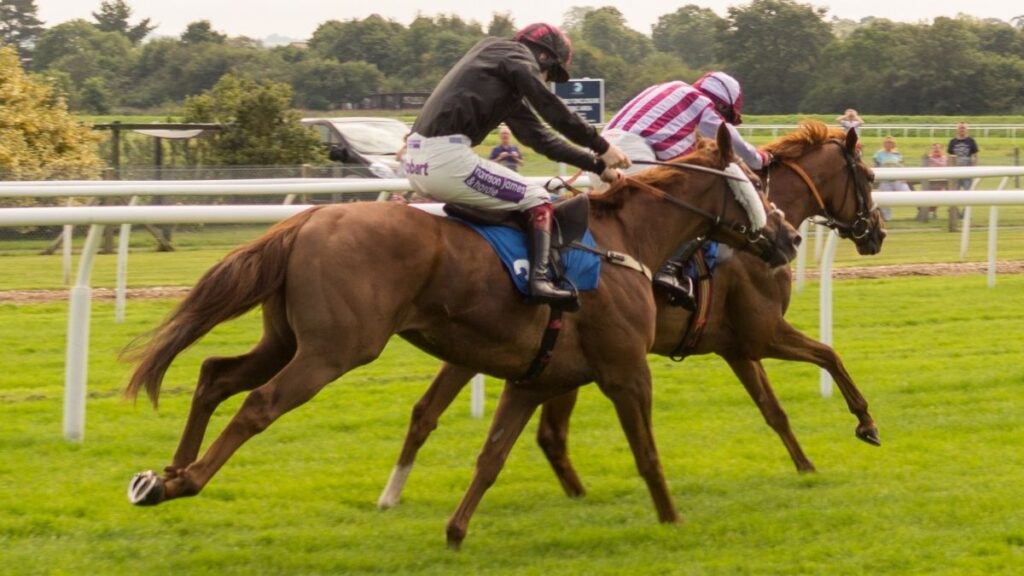
Historic Importance of Thurles Racecourse in Ireland’s Equestrian Tradition
Few sports venues hold a legacy as rich and woven into the fabric of Irish culture as Thurles Racecourse. Established in the early 18th century, with a first meeting dating back to 1732, this racing track has been the backdrop for countless memories and milestones in equestrian sport. The continued stewardship by the Molony family since the early 1900s has helped maintain its unique character and appeal.
Thurles is more than a sports venue; it embodies the passion and resilience of the Ireland racing community. It is where legendary jockeys such as Rachael Blackmore and AP McCoy rode their first winners, and where the celebrated trainer Willie Mullins trained his inaugural winner in 1988. These stories not only highlight Thurles as a birth ground for talent but also cement its role as an inspirational institution within equine sporting history.
The racecourse is particularly significant during the winter months, often serving as a hub for thrilling National Hunt events that keep racing spirits high when other venues close. The connection between the venue’s atmosphere and its passionate supporters creates an electric setting that elevates every race, enhancing the experience for participants and spectators alike.
In support of its cultural and sporting importance:
- The Molony family’s long-standing ownership represents a personal and historical link to the racecourse’s past.
- Thurles regularly features in major Irish horse racing calendars, drawing thousands of dedicated fans.
- It hosts a slate of winter fixtures pivotal for trainers and jockeys sharpening their skills and competing for key honors.
- The local and equestrian community’s advocacy was instrumental in facilitating HRI’s interim management solution.
| Historical Milestone | Date | Significance |
|---|---|---|
| First Meeting | 1732 | Oldest continuous race meet in Ireland |
| Molony Family Ownership | Early 1900s | Maintained private racecourse status |
| Rachael Blackmore’s First Win | 2000s | Launchpad for a leading jockey’s career |
| Willie Mullins’ First Winner | 1988 | Beginning of a champion trainer’s legacy |
Thurles remains a jewel of the Irish National Hunt season, where every race is steeped in tradition and the pulse of equestrian sport flows vigorously through the crowd. The reopening extends this narrative, securing a future filled with more historic moments and athletic triumphs.
Safety and Regulatory Challenges: The Absence of a Watering System at Thurles
One of the more contentious issues surrounding Thurles’ reopening is the absence of a comprehensive watering system, a critical requirement underscored in recent regulatory frameworks. The Irish Horseracing Regulatory Board (IHRB) has placed strong emphasis on the importance of a watering system for safeguarding both equine and human participants by ensuring suitable ground conditions.
Following the tragic death of jockey Michael O’Sullivan at Thurles earlier in 2025, the IHRB initiated a rigorous review that yielded a set of industry-wide recommendations. Foremost among these was the prioritization of installing and maintaining a watering system. This infrastructure supports consistent ground moisture levels, crucial for minimizing wear and preventing accidents across the turf.
Despite these safety imperatives, the interim agreement facilitating Thurles’ reopening lacks provisions for such a system. The Molony family’s initial withdrawal at the start of the year cited escalating industry demands and the financial burden of adapting to updated standards—this included an estimated €300,000 cost for installing a watering system.
The current operational plan will oversee around 77 races across 11 scheduled meetings without fulfilling this key regulatory safety component, raising concerns within the racing fraternity. Maintaining the racing calendar without addressing this gap suggests a tension between immediate survival and long-term welfare priorities.
- Key regulatory requirements for Thurles according to the IHRB Racecourse Manual:
- Reliable watering system capable of delivering consistent irrigation as needed.
- Water distribution that minimizes wind impact and secures even turf moisture.
- Backup systems including pumps and a sustainable water supply source.
| Element | Requirement | Current Status at Thurles |
|---|---|---|
| Watering System | Mandatory for ground consistency and safety | Not implemented as of reopening |
| Sporting Fixtures | Full season compliance | Proceeding under interim agreement |
| Safety Review Actions | Adoption of IHRB recommendations | Partial, pending full infrastructure upgrades |
While the racing community welcomes the track’s reopening, ongoing dialogue and strategic investment will be essential to uphold the safety and reputation of this venerable sports venue in the years to come.
This video highlights the excitement and anticipation surrounding the official reopening of Thurles Racecourse, showing clips from the venue and interviews with key stakeholders involved in the deal.
Horse Racing Ireland’s Strategic Role and Industry Collaboration to Secure Thurles’ Future
Horse Racing Ireland’s decisive action to temporarily take over the operations of Thurles reflects the broader industry’s recognition of the racecourse’s value. In an Irish racing landscape facing many challenges, preserving iconic venues like Thurles is vital to maintain the sport’s rich diversity and accessibility.
The interim agreement materialized through collaboration involving:
- The Molony family, who facilitated the temporary handover
- Horse Racing Ireland (HRI), adopting operational responsibilities
- The Irish Horseracing Regulatory Board (IHRB), endorsing the plan
- The Association of Irish Racecourses and other industry stakeholders
This concerted effort sends a powerful message about the sport’s unity and resilience. More than just a management transfer, it highlights a commitment to securing a vibrant future for Thurles as a venue that combines tradition and contemporary racing demands.
HRI’s involvement ensures the smooth staging of all 11 racing events while providing breathing room for formulating a long-term strategy. This creates a valuable window to consider investment priorities, infrastructural upgrades—including the contentious watering system—and sustaining the racecourse’s competitiveness within Ireland’s rich horse racing tapestry.
| Stakeholder | Role in Thurles Racecourse Agreement |
|---|---|
| Molony Family | Original owners; agreed to interim operational handover |
| Horse Racing Ireland (HRI) | Interim managers; running race day operations |
| Irish Horseracing Regulatory Board (IHRB) | Regulatory oversight and safety compliance guidance |
| Association of Irish Racecourses | Support and coordination among racecourse operators |
An energetic recap of recent racing highlights from Ireland, showcasing the vibrancy and competitive spirit that Thurles aims to uphold with its reopening.
Looking Ahead: Thurles Racecourse’s Challenges and Promise in Irish Horse Racing
As Thurles reenters the racing calendar, excitement blends with calculated caution. The reopening preserves a vital winter jump racing spot but also signals ongoing challenges that must be addressed to ensure sustainability beyond the short-term management period.
Key challenges and opportunities include:
- Resolving infrastructure gaps, particularly installing the mandated watering system.
- Adapting to new industry regulations that continue to raise operational standards.
- Securing funding and investment necessary for modernization while respecting the venue’s traditional character.
- Winning back and expanding fanbase engagement in a competitive era of sporting entertainment.
The journey of Thurles Racecourse’s reopening illustrates the passion, complexity, and communal spirit of Ireland’s equestrian sport. It remains a symbol where history and high stakes merge against the backdrop of fast-paced, thrilling horse racing events.
| Focus Area | Challenge | Opportunity |
|---|---|---|
| Infrastructure | Missing watering system; funding gaps | Potential upgrades and modernization |
| Regulations | Compliance with evolving safety standards | Set industry benchmarks in safety and quality |
| Community Engagement | Fan retention and revitalization | Harnessing local passion for growth |
| Operational Stability | Short-term management arrangement | Developing long-term sustainable strategies |