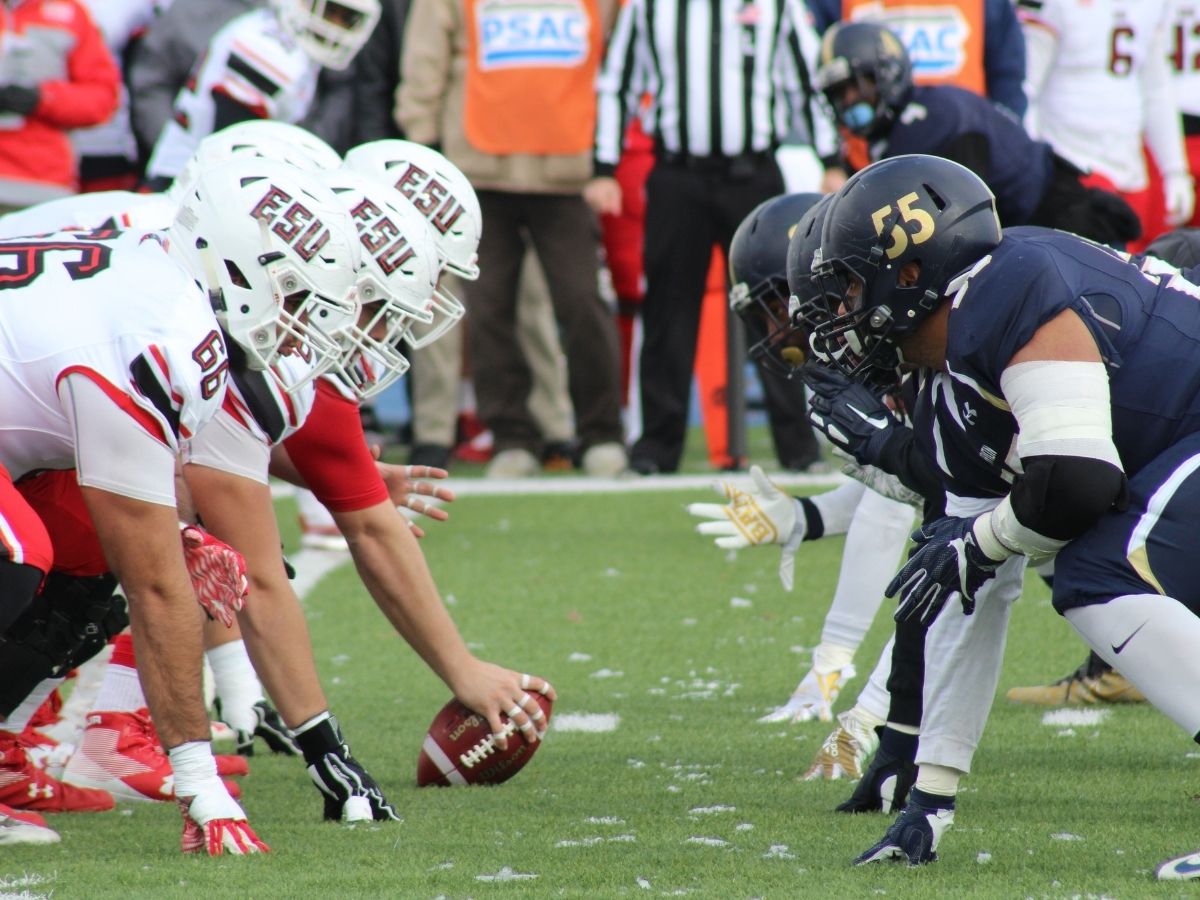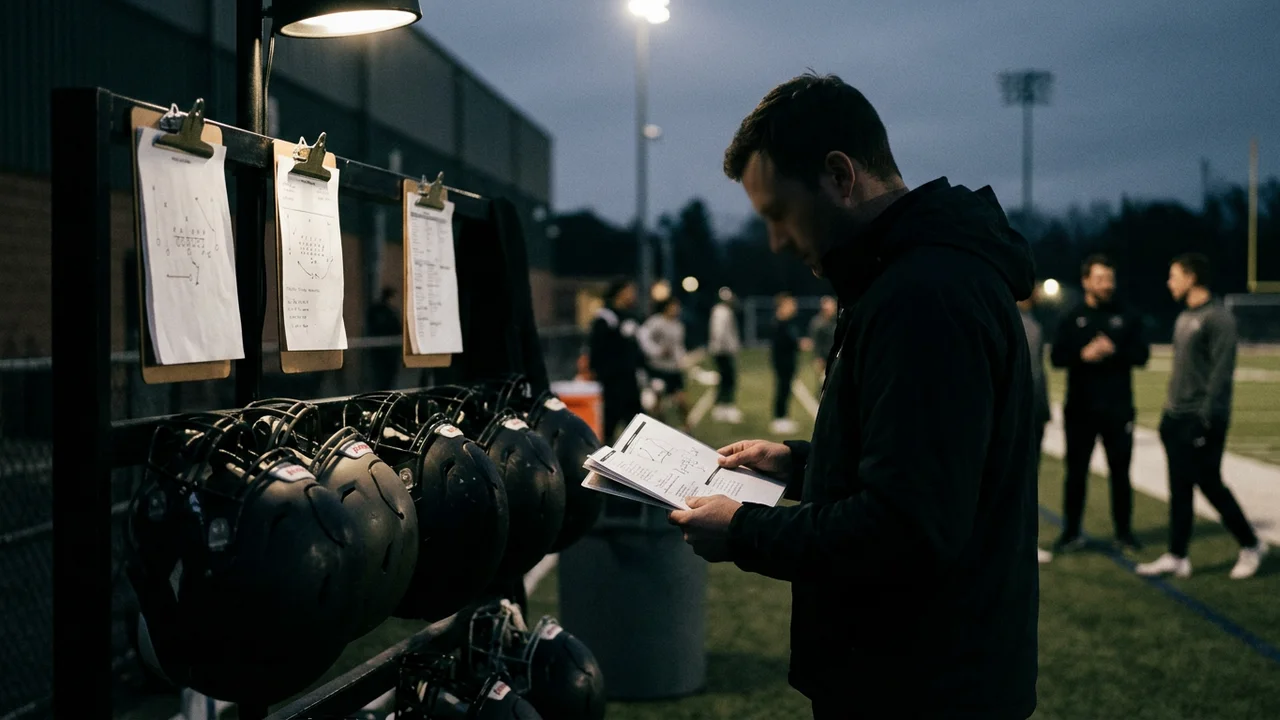
Quarterback play has always been at the heart of americanfootball’s evolution. From the West Coast offense to the dual-threat revolution, the position has demanded more than just arm strength or athleticism. Quarterbacks were once expected to recognize, communicate, and control at the line of scrimmage, orchestrating the offense with poise and precision. Jon Gruden, never shy about his opinions, believes that standard is slipping away.
Gruden isn’t just lamenting a lost era. He sees a tactical unraveling. In his eyes, quarterback play is "dissolving" rather than evolving. The issue isn’t physical tools, but the fading of the quarterback’s role as the offense’s communicator-in-chief. "Recognize the defense, recognize the coverage, and then communicate," Gruden insists. Modern spread systems, with their relentless tempo and simplified reads, have stripped quarterbacks of these responsibilities.
Run-pass option (RPO) concepts, bubble screens, and turbo-tempo formations dominate the college landscape. Gruden paints a picture of quarterbacks who "run up to the line of scrimmage, clap your hands, and hope for the best." Speed and volume have replaced communication and precision. False starts pile up. Broken plays become routine. Offenses lean on prepackaged reads instead of real-time adjustments. Gruden’s frustration is palpable: he’d "rather slam my hand in a car door" than watch another six-false-start. RPO-heavy series.
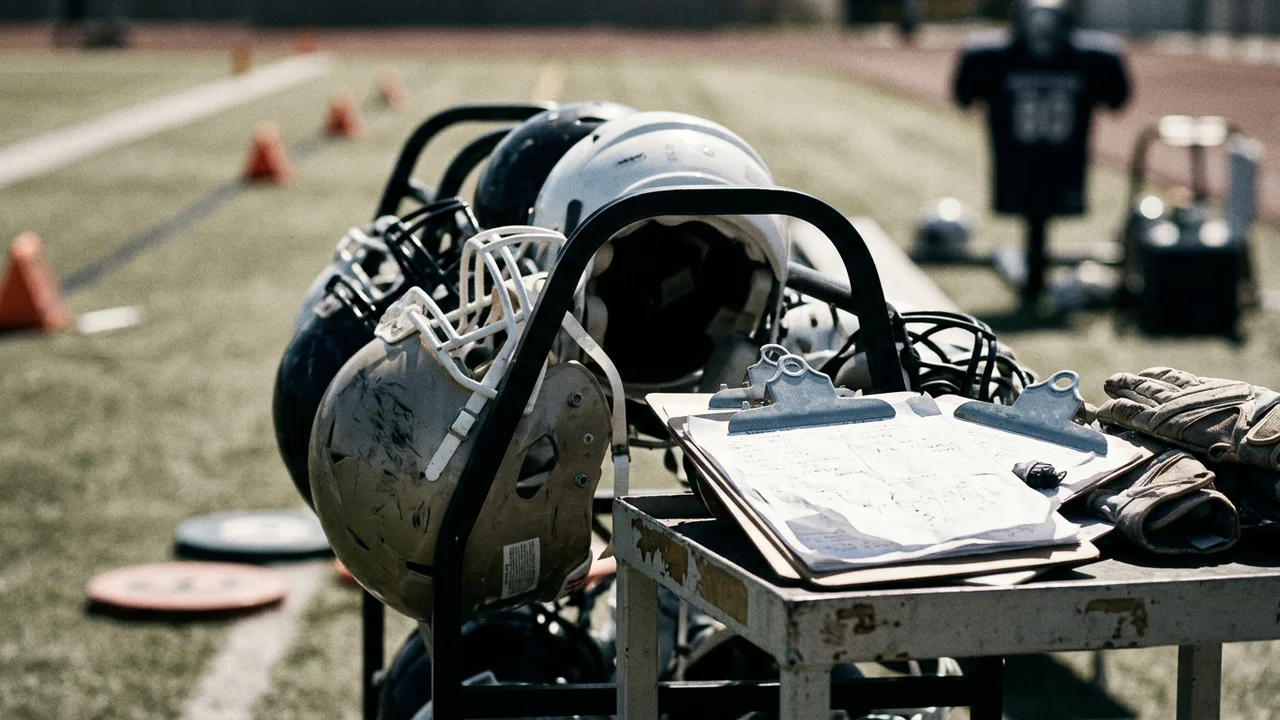
Nostalgia isn’t driving his critique. Gruden’s argument is rooted in process. He points to his coaching mantra, "RCE," recognize, communicate, execute, as the missing sequence in today’s quarterbacking. The transfer portal era has only deepened the problem. "A lot of these guys are on four or five different colleges," he notes, underscoring the lack of system mastery and repetition. "Repetition is the mother of learning," Gruden says, and without multi-year continuity with the same playbook and coaching, quarterbacks are missing the technical foundation the NFL demands.
The consequences show up on Sundays. NFL defenses, loaded with disguise and hybrid coverages, prey on quarterbacks who can’t identify post-snap rotations or adjust protections. Where veterans once audibled into favorable looks or shifted protections against simulated pressure, many young quarterbacks are locked into whatever the sideline dictates, the cadence lost to tempo.
College football. Gruden argues, is the source of these trends. The NFL now drafts quarterbacks who arrive without the full toolkit of reads, checks, and communication skills. Other analysts have echoed this concern, noting the league’s gradual adoption of college spread principles often comes at the expense of complexity and the chess match that once defined pre-snap offense.
Gruden’s own future remains uncertain. He’s hinted at a return to coaching, eager to "start putting together some game plans again" and restore the quarterback’s role as a true field general. Until then, he’ll bring his blunt perspective to the broadcast booth, quick to spotlight every breakdown in communication and execution that clashes with his coaching DNA.
For those tracking the intersection of schematic trends and quarterback development. Gruden’s critique lands at a moment of real transition. The spread and RPO era has delivered offensive fireworks, but Gruden’s warning is stark: without a renewed focus on recognition, communication, and execution, the quarterback’s tactical identity is at risk. For a closer look at how transfer culture is reshaping roster construction, readers can explore how transfer culture is influencing americanfootball roster construction.
A new generation of quarterbacks is arriving from college systems built on motion, speed, and sideline scripting. Gruden’s final word: mastery at the position still demands more than clapping hands and hoping for the best.